More than two decades after its original release, Final Fantasy: The Spirits Within is set to return to the big screen as part of a film festival celebrating milestones in Japanese CGI animation, as reported by Eiga. Though the film is best remembered for its financial struggles and the turmoil it caused Square Enix, it remains an important piece of cinematic history.
Released in 2001, Final Fantasy: The Spirits Within was a bold attempt to bring the beloved RPG franchise into the world of photorealistic CG films. With an enormous budget and cutting-edge technology for the time, it aimed to push animation boundaries. However, despite its technical achievements, the movie failed to resonate with audiences and became a box office disaster, nearly leading to the downfall of Square Pictures and playing a role in Square’s eventual merger with Enix.
Despite its commercial shortcomings, the film has since gained a cult following and is recognized for its ambition to pioneer realistic computer-generated characters. The upcoming screening at the festival will highlight its significance in shaping the future of CGI in Japan, influencing later works in both animation and gaming.
This renewed interest in The Spirits Within reflects a broader appreciation for experimental projects that dared to push industry limits. While it may not have been the blockbuster Square Enix hoped for, its impact on the gaming and animation industries remains undeniable. For fans of the Final Fantasy series and animation history, this screening is a chance to revisit a film that was ahead of its time.
Protect your collection! If you’re a retro game collector, safeguard your treasures with RetroShell, the world’s finest game protector. And if you’re just here for the latest retro gaming news, subscribe to our free Substack—delivered fresh every Monday!
Two of the biggest fantasy franchises in gaming history are colliding as Final Fantasy makes its debut in Magic: The Gathering. Wizards of the Coast has revealed a first look at the upcoming Final Fantasy crossover set, bringing iconic characters, spells, and lore from Square Enix’s legendary RPG series into the world of collectable card gaming.
The announcement was made at MagicCon Chicago, where fans got an exclusive preview of the upcoming set. The cards will span multiple Final Fantasy titles, from the early NES-era classics to modern blockbusters like Final Fantasy VII Remake and Final Fantasy XIV. Expect to see legendary figures such as Cloud Strife, Sephiroth, and Terra Branford translated into beautifully illustrated Magic: The Gathering cards.
Beyond just character representation, the set will also introduce spells and mechanics inspired by the Final Fantasyuniverse. Summons like Ifrit and Shiva may appear as powerful creature cards, while signature magic like Ultima and Meteor could become game-changing spells. The crossover aims to capture the essence of both franchises, blending the deep lore and strategy of Magic: The Gathering with the beloved characters and worlds of Final Fantasy.
This is part of Wizards of the Coast’s ongoing expansion of Magic: The Gathering’s crossover series, which has already included properties like The Lord of the Rings and Warhammer 40,000. Given the passionate fanbase of both Magic and Final Fantasy, this collaboration is expected to be a major hit among collectors and competitive players alike.
The Final Fantasy set is slated for release in June 2025, with more details expected to emerge as the launch approaches. Whether you’re a longtime Magic player or a Final Fantasy enthusiast looking to experience the franchise in a new way, this crossover is shaping up to be one of the most exciting card game events in recent memory.
Protect your collection! If you’re a retro game collector, safeguard your treasures with RetroShell, the world’s finest game protector. And if you’re just here for the latest retro gaming news, subscribe to our free Substack—delivered fresh every Monday!
Square Enix has announced the release of three Super Mario RPG soundtrack products, set to launch on April 9, 2025. These will feature music from both the Nintendo Switch remake and the original 1996 Super Famicom version.
Credit: Square Enix
The flagship release, so far only announced for Japan – the Super Mario RPG Original Sound Box, will include four CDs: two featuring the Super Famicom version’s remastered music and two containing the Switch version’s newly arranged soundtrack. It will also come with a booklet featuring commentary from composer Yoko Shimomura. This set will be priced at ¥8,250 / €50 / $53 / £42.
A separate release, the Super Mario RPG Original Soundtrack, will focus solely on the Switch version’s BGM, presented across two CDs. It will cost ¥3,850 / €24 / $25 / £20.
Meanwhile, vinyl collectors can look forward to the Super Mario RPG Original Sound Vinyl Box, a four-LP set featuring the updated Switch version’s soundtrack. This premium edition will be available for ¥17,600 / €108 / $113 / £90.
Pre-orders for all three editions are now open via Square Enix’s official store. Fans can listen to preview tracks and find further details on the official product pages.
Protect and display your retro games with RetroShell, the world’s finest video game protectors. If you love retro gaming, get all the latest news delivered to your inbox with our free Retro Gaming Substack.
Square Enix’s Final Fantasy 7 Rebirth has been confirmed cracked on PC, igniting a flurry of discussions and debates across gaming forums and communities. Initially launched on PlayStation 5 as a timed exclusive, the game officially hit PC platforms on January 23, 2025, via Steam and the Epic Games Store. Despite this, unauthorized versions have now surfaced on piracy sites, leading to widespread discourse about the ethics and implications of such actions.
Credit: Square Eniz
The Leak and its Implications
The unauthorized PC versions of Final Fantasy 7 Rebirth seem to have originated from pre-release builds or unauthorized modifications. Discussions on platforms like Reddit’s r/PiratedGames and Steam Community forums indicate that these cracked versions include functional gameplay elements, including graphical settings. This situation raises questions about the security of game builds before official releases.
Square Enix has yet to make an official statement on this specific incident, but it underscores the ongoing battle against piracy within the gaming industry.
Fan and Industry Reaction
The gaming community’s response is mixed. Some view the cracked version as a way to circumvent the exclusivity period, while others argue that piracy undermines the developers’ hard work. The debate touches on issues like game pricing, exclusivity, and accessibility, fueling conversations across platforms.
Developers and publishers are under increasing pressure to implement robust anti-piracy measures without alienating their paying customers. This event showcases the delicate balance between security, accessibility, and player satisfaction, especially in a global market where consumer expectations can vary widely.
For those interested in the official release, Final Fantasy 7 Rebirth can be purchased on Steam or the Epic Games Store.
In the heart of Tokyo at the SIGGRAPH Asia 2024 conference, a remarkable endeavour was unveiled, one that delves into the rich cultural tapestry of video game creation. Four leading companies in the gaming world – Square Enix, Capcom, Taito, and Sega – have embarked on a journey to archive their historical development materials, transforming what was once deemed expendable into precious historical treasures for research and exhibition.
The Cultural Significance of Gaming Archives
Video games have evolved from mere pastimes to cultural phenomena, with their development materials from the 80s and 90s, like blueprints and sketches, becoming pivotal historical items. These artefacts provide insights into how games were conceptualized and crafted, fostering an understanding of the evolution of video game design, technology, and art.
Square Enix’s Trailblazing Archival Work
Square Enix, led by AI researcher Yoichiro Miyake, has been at the forefront of this archival movement. Since 2019, Miyake has been exploring the archives of Enix before its merger with Square, revealing materials previously undocumented. This discovery likened to finding a “treasure trove,” has sparked a project to digitize and manage these assets for future use, involving the photographing of physical items and their conversion into digital formats for research.
Capcom’s Archival System – CIAS
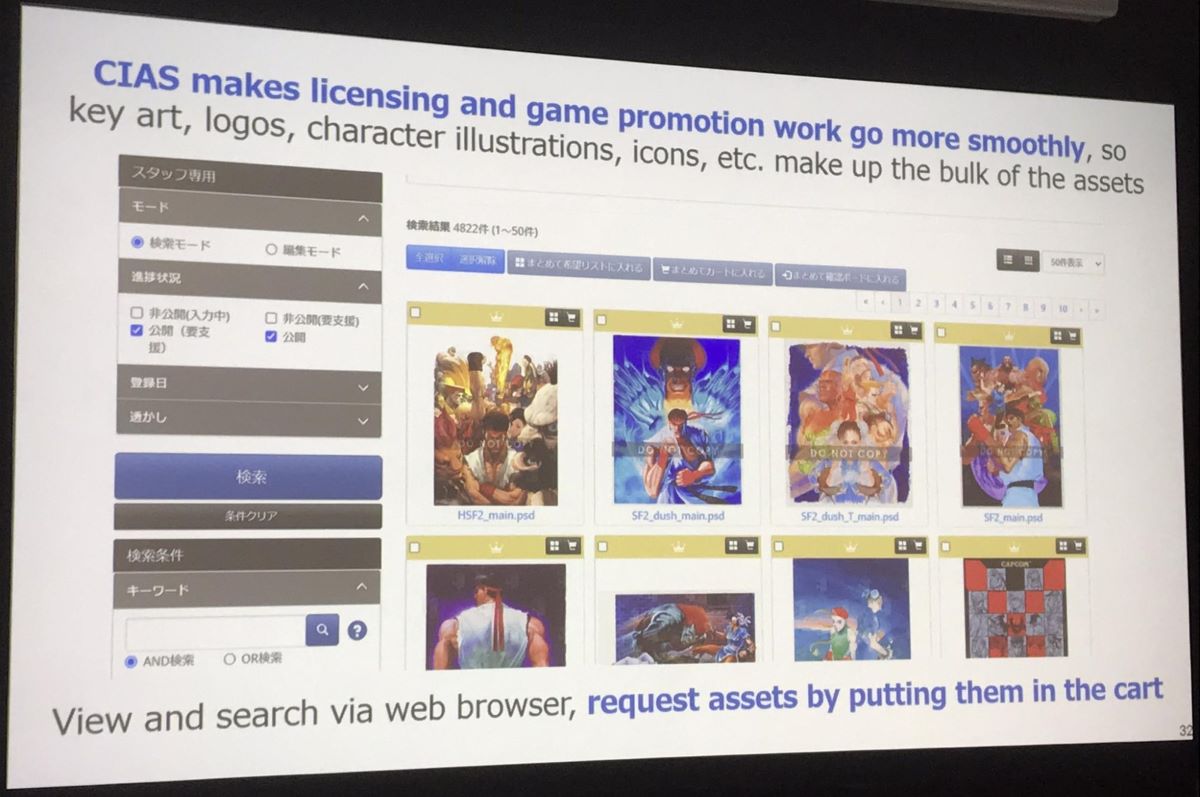
Capcom has developed the Capcom Illustrations Archives System (CIAS) to manage its historical assets, focusing on art and design elements for games like “Street Fighter” and “Rockman.” This system not only preserves these assets but also leverages them for current marketing and game development, showcasing a practical application of historical preservation.
Taito’s Challenges and Triumphs in Legacy Preservation
Taito, with its roots deep in arcade gaming history since 1953, faces unique challenges in preservation, including space and material deterioration. Despite these obstacles, they maintain a vast archive of arcade hardware, software, and even microfilms, which they proudly display at events commemorating their legacy.
Sega’s Recent Dive into Preservation
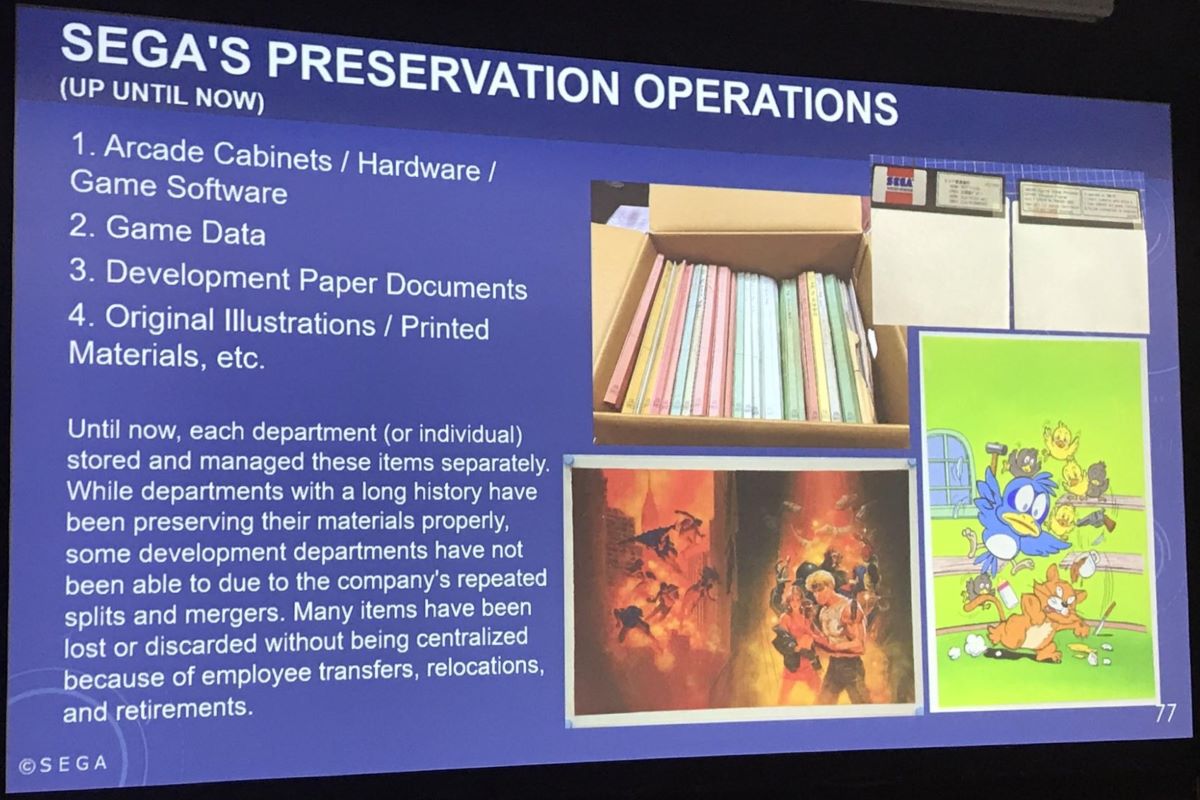
Sega, starting its preservation efforts in 2023, is now aggressively digitizing and cataloguing its past, from arcade machines to original artwork. This initiative includes plans to incorporate materials from subsidiaries like Atlus, aiming to create a comprehensive historical database.
Preserving the Physical: The Role of Game Boxes
The physical packaging of games, especially from the golden age of consoles like the NES and SNES, holds significant cultural and artistic value. These boxes are not just containers but pieces of art that reflect the era’s design and marketing ethos. Preserving them is crucial for collectors and historians to experience games as they were initially presented. For those keen on safeguarding these relics, RetroShell (www.retroshell.com) provides an array of display protectors designed to keep your collection safe from environmental damage, ensuring these artefacts can be enjoyed for years to come.
The Broader Impact of Preservation
The collective effort by these companies underscores a commitment to not just preserve history but to use it as a foundation for future innovation. This archival work teaches us about our past, informing current and future creators while also celebrating video games as cultural artefacts.
Envisioning the Future
As articulated by Yoichiro Miyake, the preservation of these materials is about building a bridge between generations of creators. By maintaining these archives, the industry ensures a continuous dialogue that honours its history while paving the way for future advancements.
This initiative highlighted at SIGGRAPH Asia 2024 not only showcases the industry’s dedication to cultural heritage but also serves as a model for preservation across various fields, safeguarding a slice of digital culture for future generations to study and enjoy.