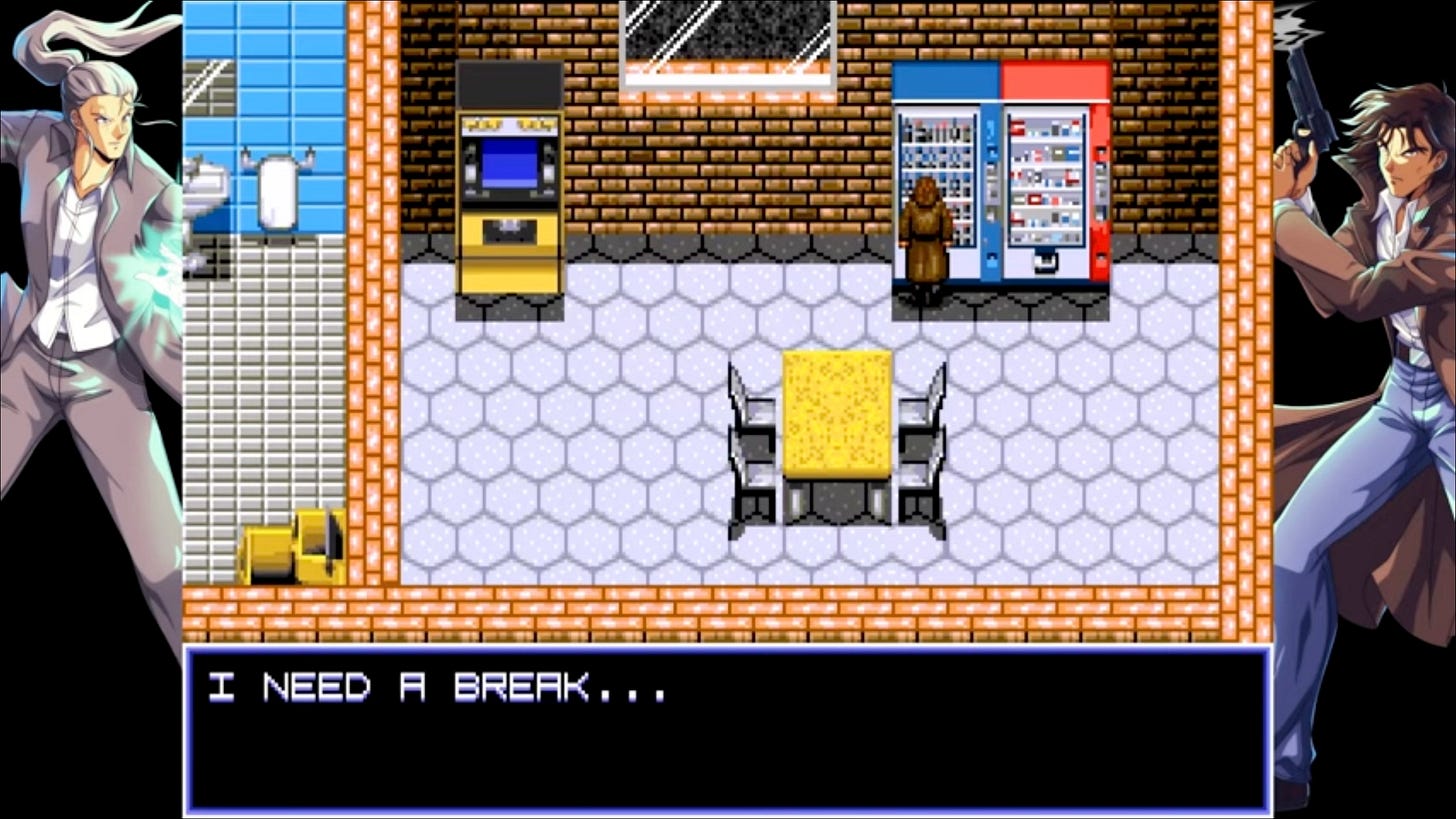
Fans of classic RPGs are buzzing after Sega filed a new trademark for the beloved Dreamcast title, Skies of Arcadia. The trademark, spotted in Japan’s intellectual property database, has reignited speculation that the game may finally receive a modern remaster or remake as reported originally by Gematsu.
The Original
Skies of Arcadia, originally released in 2000, is one of the most acclaimed JRPGs of its era, praised for its vibrant world, airship battles, and unforgettable characters – it has a stellar score of 93 on Metacritic.
While it was ported to the Nintendo GameCube in 2003 as Skies of Arcadia Legends, it has yet to make its way to modern consoles.
The new trademark could mean several things: a re-release, a remaster, or even a sequel. However, trademarks don’t always guarantee new projects, as companies often renew them simply to protect intellectual property. Still, the timing feels significant, with Sega increasingly mining its back catalogue for nostalgic projects, including Sonic Origins and the Like a Dragon series.
Will Skies of Arcadia finally return to the skies? Only time will tell, but Sega’s move has undeniably sparked hope.
Protect and display your retro games with RetroShell, the world’s finest video game protectors. If you are a fan of retro gaming, get all of the news delivered to your inbox each Monday with our free Retro Gaming Substack.
This week has not been very focused on gaming, as I built a new app (more details to be shared very soon), however, I did manage to play Marvel Snap a lot and also get my Analogue Pocket updated with a load of cores and I started to put some ROM’s on it for future reference. I also got accepted to “Stars Reach” pre-Alpha, but do not have a PC to run it. This looks like a good Star Wars Galaxy successor (the 🐐 in my opinion), but let’s see.
This week we have 40 entries to the newsletter, making it the biggest yet. We cover more “new” Game Boy games, updates on the Superstation One (FPGA PS1), a Tang $69 FPGA console, and a load more.
News
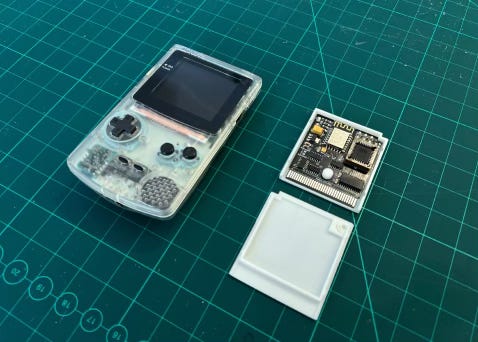
🎮 Embark on a Retro Adventure with PokettoHiro for Game Boy Color. A new retro-style game called PokettoHiro has been released for the Game Boy Color, offering an exciting mix of platforming and RPG mechanics. Retroshell.
🎵 Gimmick! Gets a New Arranged Album Featuring an All-Star Lineup. A newly arranged album for the NES classic Gimmick! is in production, featuring contributions from renowned musicians. Time Extension.
🕹️ Ultima VII Revisited: Version 0.1.0 Breathes New Life into a Classic RPG. A fan project updating Ultima VII has released version 0.1.0, introducing modern enhancements while preserving its classic RPG charm. Retroshell.
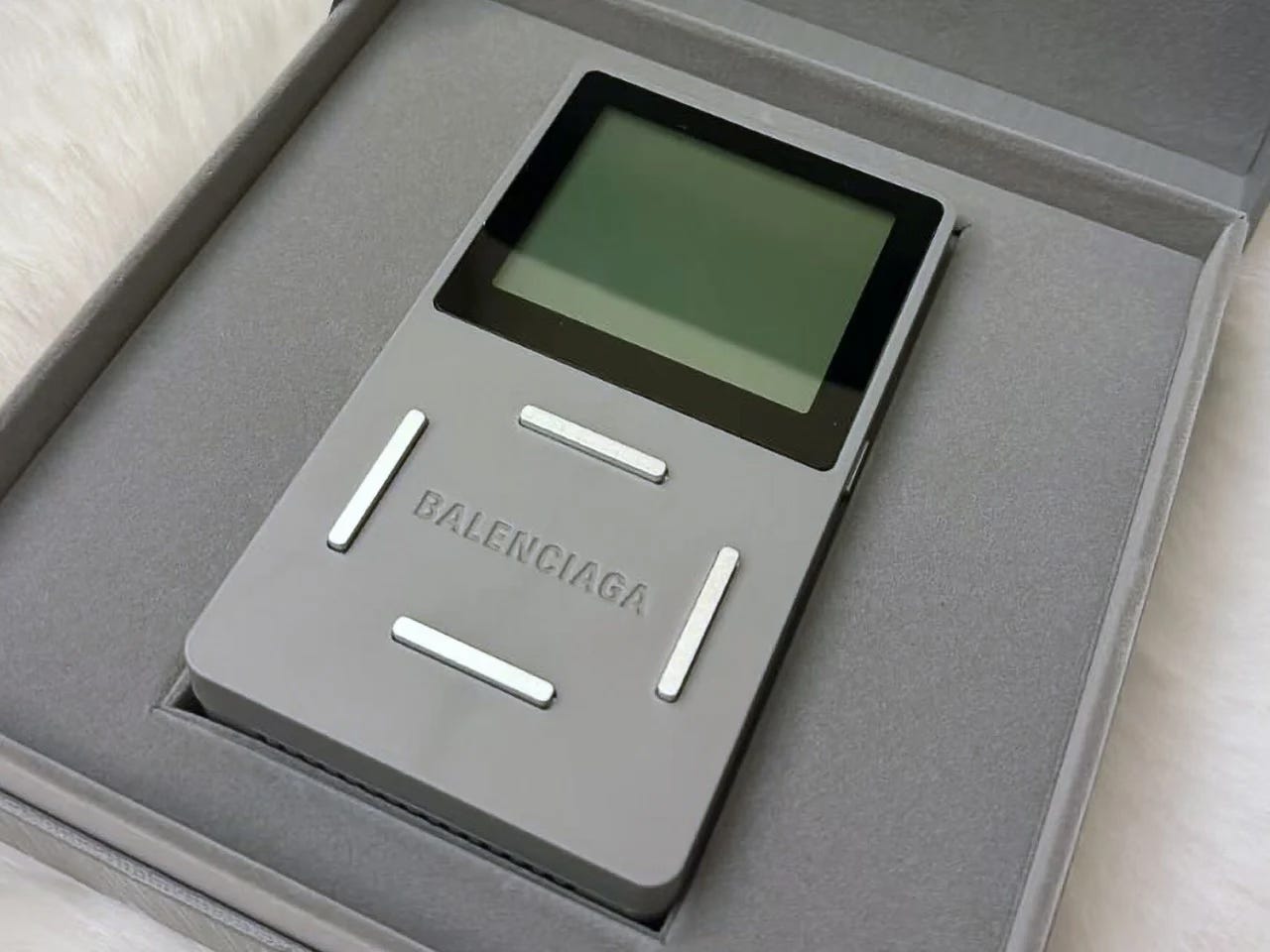
🎮 Balenciaga’s Limited Edition Game Console Misses the Mark. Balenciaga’s new luxury game console highlights the disconnect between high fashion and gaming culture. Yanko Design.
👻 The Demo for Cronela’s Mansion Has Dropped. A playable demo for Cronela’s Mansion is now available, teasing a spooky new experience for fans of indie horror games. Retroshell.
🎮 Metal Miracle: A New Game Boy Color Title from Hermano’s Creators(below). The developers of Hermanohave unveiled Metal Miracle, a fresh RPG for the Game Boy Color. Retrododo.
🕹️ Mega EverDrive Core: Affordable Flash Cartridge for Sega Genesis/Mega Drive. The Mega EverDrive Core is a cost-effective flash cartridge offering new accessibility for Sega Genesis and Mega Drive gaming. Retroshell.
⚔️ Game Boy Classic Ninja Five-O Returns February 25. Ninja Five-O, a beloved Game Boy Advance action game, will make a comeback on February 25. Hardcore Gamer.
⚔️ Ninja Five-O: Konami’s Forgotten GBA Gem Returns. Konami’s cult classic Ninja Five-O is being re-released, rekindling interest in the overlooked GBA title. Retroshell.
🎨 Limited Run Games Adds Phantasy Star Online Merch Line. Limited Run Games has launched new merchandise inspired by Phantasy Star Online. GoNintendo.
🔑 The New SEGA Account Connects Fans with Iconic Games. Sega introduces a unified account system to enhance access to its game ecosystem. Retroshell.
🕺 Dreamcast Dance Rhythm Game Puyo Puyo DA Now in English. The rhythm game Puyo Puyo DA for the Dreamcast has been translated into English, making it accessible to a wider audience. Time Extension.
🌟 The Meating Special Edition Glow-in-the-Dark Shell Unveiled. A glow-in-the-dark special edition shell for The Meating has been announced. Retroshell.
❄️ Snow Bros. 2 Special Brings Frosty Fun Back. The arcade classic Snow Bros. 2 is set to return with updated visuals and gameplay tweaks. Retroshell.
🎮 Super Technos World: River City & Technos Arcade Classics Gearing Up for Launch. Technos Japan’s arcade classics are bundled into Super Technos World, bringing nostalgic titles to modern platforms. Retroshell.
🤓 Angry Video Game Nerd 8-Bit Coming to Modern Consoles and NES. The Angry Video Game Nerd’s 8-bit game is launching soon for both modern consoles and the original NES. Retroshell.
🦆 Tiny Duck Hunt 3D Demo Available Now. A 3D reimagining of Duck Hunt has released its demo, showcasing a modern twist on the NES classic. Retroshell.
🎮 Three New SNES Games Join Switch Online Library. Nintendo has added three new SNES titles to its Switch Online service. Retroshell.
⚠️ Atari Warns Against Unauthorized Use of Pong Trademark. Atari has issued a warning to a cryptocurrency project for unauthorized use of the Pong trademark. Retroshell.
🥋 Mortal Kombat II Fan Project for 3DO Reaches New Milestone. A fan-made version of Mortal Kombat II for the 3DO has made significant progress, including gameplay refinements. Retroshell.
🕹️ Sipeed Introduces Tang Console: A $69 FPGA Device for Retro Gaming. The Tang Console is a $69 FPGA-based device aimed at retro gaming enthusiasts. Retroshell.
📚 Video Game History Foundation Opens Digital Library to the Public. The Video Game History Foundation is sharing its digital library, granting public access to rare game materials. Retroshell.
Features
🎮 Sega has launched a Japanese Game Centre Guide to help tourists navigate the vibrant arcade scene in Japan. Retroshell
🎸 A deep dive into the “Family Bass,” exploring the unique low-end sounds of the Famicom’s musical capabilities (below). Sonic State
🎨 Takaya Imamura, the artist behind Nintendo’s iconic worlds, is celebrated for his creative contributions to gaming. Retroshell
🕹️ A comparison of the Sega Saturn and PlayStation highlights the defining aspects of the 1990s console wars. CBR
🛠️ A Neo Geo Pocket Color modder has enhanced the handheld with a Raspberry Pi, expanding its capabilities. Retroshell
🚫 Lizardcube, the studio behind Wonder Boy and Streets of Rage, declined the chance to work on a Metal Slug title. Time Extension
🔫 Marvel’s The Punisher celebrates its 20th anniversary, reflecting on the legacy of the brutal vigilante in gaming. Inverse
Lists & Rankings
📚 A list of 10 books about retro gaming offers insights and knowledge for enthusiasts and historians. Retroshell
🎥 The best Super Nintendo movie-based games are ranked, highlighting their impact and quality. CBR
🍌 All mainline Donkey Kong games are ranked from best to worst, showcasing the franchise’s evolution. Augustman
🎯 A ranking of the best pinball video games of all time explores this unique gaming niche. CBR
🎮 The best video game controllers of all time are discussed, emphasizing design and innovation. Digital Trends
🕹️ The best Sega Genesis RPGs are ranked, celebrating the console’s standout role-playing games. CBR
🐵 Donkey Kong’s most iconic characters are ranked based on their contributions to the franchise. TheGamer
✨ A look at SNES RPGs that would benefit from HD-2D visuals highlights the potential for modern remakes. CBR
Brazil is famous for samba, football, and carnival, yet there’s another tale swirling around its pop culture that deserves a spotlight: the enduring connection between Sega and a local company called Tectoy. Some Brazilians still treat Tectoy as a beloved relic from the 1990s, while others grumble that the firm hasn’t managed to reclaim its past glory. What exactly went on that made Tectoy such a legend among gamers in Brazil, and why do folks still hold it in high esteem?
Let’s walk through the story of how Tectoy took Sega’s consoles to unexpected heights, became a national household name, and then stumbled, leaving behind an odd blend of nostalgia and frustration in equal measure.
The Mega Drive 4?! Credit: Sega Retro
A Sega-Shaped Hole in Brazilian Hearts
You might be wondering: why did Sega become so huge in a country where Nintendo was barely on the radar at first? The answer is surprisingly simple. In the late 1980s, Tectoy made a deal with Sega to distribute consoles like the Master System and Mega Drive (known in the USA as the Genesis). Because of that agreement, Sega consoles were far more accessible (or at least more visible) than official Nintendo systems for quite some time.
Yet “accessible” is a tricky word here: official Nintendo products weren’t common or were horrendously expensive once they did show up. Meanwhile, Tectoy gave Sega’s machines a decent push in shops all across the nation. If you were around in the early 90s, you’d see those bold Master System and Mega Drive boxes in store windows, magazines, and TV commercials. Tectoy’s association with Sega grew so strong that even now, if you ask a Brazilian gamer who sold them their first console, chances are they’ll point to Tectoy.
Financial Chaos and a Love Affair with Gaming
Brazil in the late 80s and early 90s was grappling with economic turmoil. Imagine mind-boggling levels of inflation, currencies changing names every few years, and salaries that might make you a temporary millionaire on paper—yet hardly help you pay the bills. Because of certain local trade policies and heavy taxes on imports, many foreign products were restricted or prohibitively expensive. That’s where Tectoy and the Manaus Free Trade Zone in the Amazon rainforest came into play.
Tectoy would bring in parts from abroad, assemble them locally, and then sell them nationwide. They did it first with a successful educational toy called “Pense Bem” (based on VTech’s Smart Start), and later with the Zillion laser tag game, which was also produced under Sega’s umbrella. It was a tidy strategy: import, assemble, mark up, and sell. By the time they tackled proper consoles like the Master System, they already had experience distributing fun electronics—and they knew how to market them.
The Pense Bem
But don’t think Tectoy’s Master System was cheap. Due to rampant inflation and various import policies, it still cost a small fortune. For someone working on the Brazilian minimum wage, these consoles were hardly impulse buys. A brand-new Mega Drive in Brazil sometimes topped the equivalent of 600 USD or more, while many Brazilians earned far less than 50 USD a month. Despite that, there was a large enough segment of the population—particularly in bigger urban areas—willing (and able) to spend big on gaming. For them, Tectoy was a dream come true.
Soaring Success: Master System Everywhere
Here’s a staggering fact: Brazil has sold more Master System consoles than anywhere else in the world. That’s not a cheeky exaggeration. Tectoy was still manufacturing fresh units of the Master System well into the 2000s, long after the console disappeared from most store shelves outside the country. There’s even a running joke among retro gamers that Brazil must be drowning in leftover Master Systems.
The TecToy Master System Evolution
Some of that success came from brick-and-mortar retailers letting people pay in 12, 24, or even 36 monthly instalments. This made Tectoy’s pricey machines feel more attainable, albeit still quite dear. Meanwhile, Nintendo’s official presence was practically non-existent in the earliest years, creating a vacuum that Tectoy joyfully filled. By the mid-90s, a generation of gamers grew up in love with Sonic the Hedgehog and Alex Kidd, largely forgetting that the rest of the planet was obsessed with Mario and the NES.
The Weird Cult of Tectoy
All those heady achievements fostered a bit of a “Tectoy cult.” Hardcore fans fondly recall the firm’s golden era, praising how they introduced Brazilians to Sega’s biggest hits. Ask any local about Tectoy, and they’ll get a nostalgic twinkle in their eye, remembering those times of booting up Master System or Mega Drive games in the living room. It’s similar to how some British gamers feel about Amstrad or how US-based gamers cherish Atari.
This passionate fan base, however, starts to look a bit odd when you realise that Tectoy’s formula was never about cutting-edge innovation. They essentially served as a channel for foreign products, stitching on a “Made in Manaus” label and passing the cost to Brazilian consumers who had few other options. With the Master System and Mega Drive, it worked brilliantly because the competition was scattered and the market was wide open.
The Mega Drive P?!
But things changed when Sony and Microsoft arrived on the scene with their more advanced consoles, which Tectoy couldn’t replicate or market with the same success. The firm’s golden age started to slip, and what remained was nostalgia for a time when Tectoy was the top dog. That’s where the so-called “weird cult” comes in—folks clinging to memories, even if the product line now is a shadow of what it used to be.
Dreamcast and the First Signs of Trouble
During the Saturn and Dreamcast era, Tectoy was still forging ahead with Sega’s hardware. The Saturn actually performed decently in Brazil compared to some places overseas, although it never overtook Sony’s mighty PlayStation in overall popularity. That said, these were also the years when global competition started to heat up.
The TecToy Saturn
At the turn of the century, Tectoy saw that the old model of importing and assembling at a huge markup was less viable. People were more tech-savvy, the internet was blossoming, and word got around quickly that gaming gear could be brought in from other countries at cheaper prices—especially with shops in Paraguay selling global consoles at a fraction of the official cost. Tectoy’s brand recognition remained, but its grip on the market was loosening.
The Zeebo Fiasco
And then came Zeebo in 2009. Some have never even heard of it, and that’s no surprise because it flopped in spectacular fashion. Tectoy teamed up with a consortium led by Qualcomm to produce a low-cost console aimed at “emerging markets.” In theory, it was a straightforward plan: use modest mobile phone hardware, connect via mobile data for downloads, and bypass the expense of physical media. It might’ve sounded clever at a board meeting, but it turned out to be a disaster.
Zeebo’s graphics sat somewhere between a PlayStation 1 and 2, at a time when the PS3 and Xbox 360 were dominating. The console’s library was puny, the performance unimpressive, and the cost was higher than you’d expect for an underpowered product. Only around 30,000 units sold in Brazil across two years—which is laughably small, especially compared with the continued trickle of Master System and Mega Drive sales that dwarfed Zeebo’s entire lifetime numbers. In short, it sank.
The TecToy Zeebo
Though many folks pinned the blame primarily on Tectoy, the reality is that Qualcomm led the engineering. Tectoy was the local assembler and distributor, slapping on their logo in the hope of resuscitating their glory days. Unsurprisingly, the so-called “cult” of Tectoy faithful tried to defend Zeebo, praising some of its ports (like Double Dragon) as if they were top-tier. But let’s be honest: that’s the kind of enthusiastic praise that can only come from fans wearing extremely rose-tinted glasses.
After Zeebo: Chasing Nostalgia Over and Over
Financially, Zeebo was a body blow for Tectoy, but they didn’t entirely ditch the idea of repackaging old Sega hardware. One attempt was the Mega Drive 2017, pitched as a nifty revival of the 16-bit classic. It promised SD card support, preloaded titles, and cartridge compatibility. Retro collectors were stoked at first, hoping for a sleek, modern update with at least an HDMI output. But Tectoy stumbled. The console only offered composite video, which looks muddy on modern TVs, and the audio was infamous for sounding off. Some games didn’t run at all, or had glitchy visuals. Fans who rushed to purchase it ended up disappointed, complaining about the price and the subpar experience.
Tectoy Megadrive 2017 without HDMI
You’d think Tectoy would learn from that fiasco, but soon they tried to distribute 8BitDo controllers at prices far above direct imports. The message was clear: Tectoy was still clinging to the business pattern of applying a hefty markup, hoping customers would rely on them purely because of brand loyalty. In practice, many Brazilians had cottoned on to overseas shopping sites and found it simpler to import the same gear at a better cost.
The Zeenix: Another Attempt to Cash In
More recently, Tectoy announced the Zeenix portable PC (essentially a rebranded AYN Loki Mini or Loki Max). At first glance, you might think it’s a rival to the Steam Deck, but guess what: it carries a higher price tag, and the hardware isn’t even on par with Valve’s offering. They’re pushing the same old idea—charging more for something that’s arguably less. Tectoy claims they’re giving local support, though the actual advantage for buyers is fuzzy at best. If you compare side by side, you’ll often discover you can simply get a Switch or an Xbox Series S for less, both of which are officially sold in Brazil.
TekTok Zeenix
So who in their right mind would want to pay extra for the Zeenix? That’s where the “Tectoy cult” rears its head again. Some folks remain staunchly loyal, declaring on social media that the Tectoy brand is worth it. Maybe it’s the same nostalgia that made kids in the 90s dream about Master System cartridges. It’s a case of brand worship trumping practical sense, which rarely happens on a large scale these days. But it’s enough to keep Tectoy afloat with these “retro-inspired” or “boutique” products.
A Peek into the Brazilian Psyche
To understand this phenomenon, you’ve got to appreciate how significant video games felt to many Brazilians in the early 90s. The Master System was new, fresh, and captured the public’s imagination at a time when the country was modernising and hungry for entertainment. Tectoy’s distribution strategy and marketing blitz made Sega a fundamental part of childhood for millions. Whether you were a wide-eyed kid reading gaming magazines or a parent trying to please your excited child, Tectoy’s name was everywhere.
That sense of gratitude lingers, even now. People recall nights spent with Phantasy Star or Sonic, the challenge of finishing Alex Kidd in Miracle World, or the feeling of seeing a “Tectoy” label and thinking it was a mark of Brazilian pride. It’s a powerful association, etched in hearts across the nation.
However, times change and the market has moved on. Most folks are well aware that Tectoy is no longer the unstoppable force it once was. But that doesn’t fully explain the unwavering fans who cling to every new Tectoy scheme.
The Crux: Nostalgia vs. Reality
When a company becomes so intertwined with your childhood, it’s tough to let go, even if logic says otherwise. Many fans dream that Tectoy will repeat the magic of the Master System days. Others hope Tectoy might sign a deal to distribute Nintendo Switch or some other next-gen machine and whisk them back to that warm feeling of “buying local.” Realistically, that would likely mean paying more for the same product. People do learn, eventually, that brand loyalty can have an expensive cost.
Looking back, Tectoy never truly led technology; they merely found perfect timing in an untapped market. None of that makes them evil—business is business—but the times have changed. It’s easier for consumers to buy directly from global sources, import consoles themselves, or look for alternative local distributors. Tectoy’s attempts to recapture old glories often come off as half-hearted or behind the curve, overshadowed by bigger names that can offer stronger hardware, better prices, or both.
Will Tectoy Ever Return to Greatness?
Some fans swear Tectoy can still “become a powerhouse.” But realistically, the brand is more of a nostalgia merchant today. It still offers official Master System and Mega Drive clones, tries its luck with pricey partnerships, and clings to the idea that loyal fans will keep them in business. It’s not the same dynamic as in 1989, when Tectoy introduced Brazilians to the wonder of Sega’s 8-bit library.
As the late 80s and 90s recede further into the mists of time, more and more people are aware that they can simply buy something better from Sony, Microsoft, or Nintendo, or even emulate these old consoles on a cheap PC or phone. That doesn’t mean Tectoy is irrelevant—some folks keep them afloat by snapping up their niche products. Yet the number of folks who see Tectoy as a hero from the good old days is steadily declining.
The Takeaway
So, is Tectoy a cautionary tale or a beloved brand that shaped a generation? The truth falls somewhere in between. Yes, Tectoy brought Sega’s iconic consoles to Brazil in spectacular fashion, outlasting official distribution by many other companies. It gave a wave of gamers cherished memories and a sense that Brazilian ingenuity could stand shoulder-to-shoulder with global giants.
But the company’s repeated stumbles—Zeebo, bungled Mega Drive re-releases, steep markups on third-party accessories, and now the Zeenix—show that you can’t rely on nostalgia alone to thrive. Many Brazilians have moved on to more cost-effective, modern solutions. A small but vocal core of fans still rallies behind Tectoy, celebrating it as though it’s 1992 all over again.
One of the favourites from my collection, SF2 for the Master System! Only in Brazil.
Perhaps the best lesson is that nostalgia can be powerful but also blinding. There’s no shame in remembering Tectoy’s role in shaping the Brazilian gaming scene. However, blindly throwing money at overpriced gadgets just because they bear a familiar logo isn’t necessary anymore. In an age where global distribution is easier, gamers have more options. You can get your Master System fix or your Mega Drive mania from alternatives that are often cheaper and, in some cases, better engineered.
If you’ve ever visited Brazil, you might see old Master Systems in glass cases at electronics shops, or you may meet a Sega fan rattling on about how Tectoy was once the centre of the universe. Both are glimpses of a special time. But in 2025, Tectoy is no longer the gatekeeper of next-gen consoles—it’s a relic with a proud past and a bumpy present. Some see it as an underdog; others see it as just another importer that missed its chance to evolve.
All in all, Tectoy’s story is a window into how nostalgia shapes consumer behaviour. It’s also a testament to how quickly the gaming world changes, leaving behind those unwilling—or unable—to adapt. The original Master System mania was once unimaginable; now the idea of Tectoy recapturing that magic is what seems unimaginable.
Were you aware of Tectoy’s storied history in Brazil? Maybe you played on a Master System or Mega Drive that was sold under Tectoy’s banner. Many gamers around the globe might never have experienced that unique setup, yet for countless Brazilians, it’s an essential chapter in their gaming journey. Still, the global industry marches on, and Tectoy’s place in it is much smaller than before. That, for better or worse, is the reality of today’s market.
Thank you for reading! If you’re a fan of retro gaming and want to stay in the loop with all things old-school, consider subscribing to the Retro Gaming Substack. You’ll find news, insights, and nostalgia galore.
And if you’ve got a beloved Master System or Mega Drive you’re keeping safe, don’t forget to protect it in a premium RetroShell game protector. After all, preserving our retro treasures is half the fun!
Today, January 20, 2025, SEGA Group’s Sega Feve Co., Ltd. unveiled the Japanese Game Centers Guide, a comprehensive website aimed at helping foreign tourists explore Japan’s vibrant arcade culture. Available in five languages—English, Simplified Chinese, Traditional Chinese, Korean, and Japanese—the guide offers a detailed introduction to the unique world of Japanese game centres.
Credit: Sega Gamecentre Guide
A Deep Dive Into Japanese Arcade Culture
The guide categorises Japanese arcade games into six distinct genres: crane games, music games, racing games, video games, photo booths (purikura), and medal games. For each genre, SEGA provides recommendations for must-play games, step-by-step instructions on how to play, and tips for winning prizes in crane games.
The website also explains the rules and manners unique to Japanese game centres. Visitors will find information on exchanging money, using electronic payment methods, and the etiquette expected within arcades—essential knowledge for tourists unfamiliar with Japan’s cultural nuances.
Credit: Sega Gamecentre Guide
Why It Matters
Japanese arcades are an iconic part of the country’s gaming culture, offering experiences that differ significantly from those in other parts of the world. SEGA’s Japanese Game Centers Guide bridges the gap for foreign visitors, making arcades more accessible and enjoyable.
Whether you’re a fan of classic racing games or curious about purikura photo booths, this guide ensures you won’t miss a thing.
Stay informed on all things retro—subscribe to Retro Gaming Substack today.
Collect, protect, and cherish with RetroShell ultimate game display protectors.
In a surprising development for retro gaming enthusiasts, developer
@craf7y24 has successfully ported the Xash3D engine, a versatile engine compatible with Half-Life, to the Sega Dreamcast. This port was highlighted in a tweet by @falco_girgis where a direct hardware capture demonstrated Counter-Strike 1.6 running on the Dreamcast, a feat that brings a modern gaming experience to the 25-year-old console.
The Xash3D engine not only resolves visual issues like polygon jittering but also aims to pioneer features such as downloading custom maps and assets directly onto the Dreamcast, utilizing either an SD card or an IDE/SATA hard drive mod. This development could significantly expand the Dreamcast’s library with a host of GoldSrc mods, enhancing its legacy in the gaming community.
For those interested in seeing this in action or exploring other Dreamcast homebrew projects, @falco_girgis recommends checking out DC-SWAT’s YouTube channel, where the author of DreamShell, a popular homebrew operating system for Dreamcast, regularly posts new captures. This project represents a major step forward in the homebrew scene, potentially bringing online connectivity and modern gameplay mechanics to a console that has long been out of production.
Stay ahead in the retro gaming world—join our newsletter at Retro Gaming Substack.
Showcase and safeguard your retro gaming collection with RetroShell protectors.
Retro gaming enthusiasts have a chance to own a piece of gaming history with the Hitachi Game & Car Navi High Saturn, now in stock at the BEEP Akihabara store. This Sega Saturn-compatible console is a rare multimedia terminal that could also function as a car navigation system—a unique blend of gaming and practicality.
Credit: Akiba PC Watch
The current stock is a used unit with the following features:
• Missing Components: No box, manual, TV tuner, navigation disc; Navi operation not confirmed
• Monitor: Originally paired with a 4-inch dedicated monitor (sold separately)
The console is priced at 580,000 yen, reflecting its rarity and premium value. Converted into other currencies (as of today’s rates):
• USD: Approximately $4,000
• EUR: Around €3,650
• GBP: About £3,200
A Brief History of the High Saturn
Released in December 1995 by Hitachi, the High Saturn was a multimedia version of the Sega Saturn designed to integrate gaming with in-car navigation—a forward-thinking concept for its time.
• Launch Price:
• Console: 150,000 yen (tax excluded)
The High Saturn in all its glory
While innovative, its high price and niche market focus meant that it saw limited production, making it a rare find today.
The High Saturn’s compact design (252 x 214 x 57mm) made it smaller than the standard Sega Saturn (260 x 230 x 83mm), and it supported dual power supplies: an AC adapter for home use and a car adapter for mobile gaming. This versatility set it apart from other consoles of its era.
Due to its limited circulation and unique concept, the High Saturn has become a highly sought-after collector’s item. The price at BEEP Akihabara highlights its rarity, with original accessories and functionality checks adding to its allure for retro gaming fans.
Keep your retro collection pristine with RetroShell™ protectors. Sign up for our weekly newsletter and stay in the loop with classic gaming news.
This week in gaming has been mostly focused on trying to source a guitar for the PS3 for a reasonable price (and with a dongle), and still playing Marvel Snap and Rivals. I’m also playing a game called Retro Bowl on IOS which is very cool! If anyone has any good IOS games like this, please let me know in the comments.
29 featured stories this week, and I have now added Gamecube, PS1/2, Xbox and Dreamcast to the list of consoles covered. Atari announce a new console, lego Game Boy and a load more.
News
🎮A Wi-Fi and AI-enabled Game Boy game, Do You Like, is in development—blending retro vibes with futuristic tech! [RetroShell] Link
💒Wedding Peach, the SNES party game, just got a brand-new fan translation—perfect for your next retro multiplayer session. [Time Extension] Link
👾The final build of DOOM 64 has arrived for Sega Dreamcast fans, bringing a cult classic to a beloved console. [RetroShell] Link
📱The all-purpose emulator Provenance is now available on iOS, making retro gaming on Apple devices easier than ever. [Gearrice] Link
🌬️Pre-orders are now open for The Secret of the Four Winds Collector’s Edition for Sega Mega Drive/Genesis—secure yours now! [RetroShell] Link
🥋A new Virtua Fighter project was previewed at CES 2025, teasing fans with what’s next for the iconic fighting franchise. [RetroShell] Link
🤖The modular Mecha Comet, priced at $160, is giving us serious DIY Game Boy vibes—retro gaming meets modern ingenuity. [Time Extension] Link
🔥A new Gunstar Heroes: Ultimate Edition ROM hack has dropped for Sega Genesis, packed with fresh features for fans. [RetroShell] Link
🖼️Step into DOOM: The Gallery Experience and explore the game’s art and legacy in an innovative way. [RetroShell] Link
🎮The BackBit Neo Geo ROM cart has been announced at $400, providing new ways to explore the Neo Geo library. [RetroShell] Link
🕹️An XXL arcade machine for Street Fighter Alpha 2 has been unveiled at CES 2025, bringing the iconic title to life on a massive scale. [RetroShell] Link
🌟A homebrew Dreamcast game with 82 playable characters has been released for PC and Android, pushing the boundaries of retro creativity. [RetroShell] Link
Features
💾 Explore the tech revolution fueling retro gaming in 2025 and how it’s shaping the future of nostalgia-driven gaming experiences. [RetroShell] Link
🦔 Sonic Adventure 2 has been adapted twice, but do these versions do justice to the blue blur’s legacy? [CBR] Link
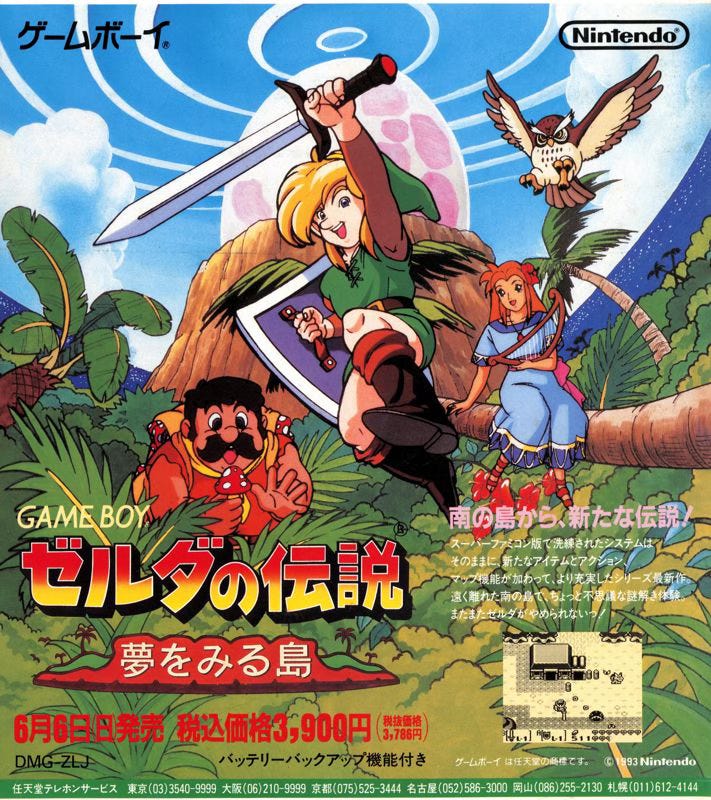
🛡️Uncover the untold story behind Link’s Awakening, one of Nintendo’s most unique Zelda games. [RetroShell] Link
🎮 Relive the console wars with a deep dive into the rivalry between Sega Dreamcast and PlayStation 2—who really came out on top? [CBR] Link
🦁 Games like The Lion King and The Phantom Menace are infamous for being abandoned after one level—find out why! [The Gamer] Link
🍄 Celebrating Super Mario Bros. 3, a game whose legacy redefined what gaming could be—discover its incredible impact. [RetroShell] Link
💥 This Street Fighter Alpha 2 commercial delivered iconic jokes that still resonate with fans today. [EventHubs] Link
🔧 Protect your cherished retro game collection with the best tips and tools for keeping games in mint condition. [RetroShell] Link
🌀 Unlock hidden debug menus in the cult Dreamcast RPG Segagaga with this new patch—fans rejoice! [Time Extension] Link
🧱 A LEGO PS2 design with moving internals could become reality alongside Simpsons and Jumanji kits—dreams really do come true! [Games Radar] Link
Lists & Rankings
🌐Discover the top 10 retro gaming Reddit communities ranked by members for January 2025—find your next favourite group! [RetroShell] Link
🎮Explore the best Nintendo games exclusively available on the Game Boy Advance—classic handheld gems! [Game Rant] Link
💰Dive into the world of the rarest PC Engine and TurboGrafx-16 games—find out how much they’re worth today! [Game Rant] Link
🎸Rolling Stone ranks the top 50 video games of all time—see which classics made the cut and which were snubbed! [RetroShell] Link
🔄Forgotten Sega games that truly deserve a remake—relive these hidden gems and imagine the possibilities! [DualShockers] Link
😱From censorship scandals to disturbing themes, these are the most controversial horror games ever created. [Game Rant] Link
👻The scariest enemies in non-horror games—proof that even action and adventure titles can send shivers down your spine! [WhatCulture] Link
Fans of retro gaming and ROM hacking have a reason to celebrate with the release of the Gunstar Heroes Ultimate Edition ROM hack. This enhanced version of the iconic Sega Genesis/Megadrive game introduces exciting updates and refinements to the beloved Treasure classic, bringing new life to the run-and-gun masterpiece from BillyTime!Games and Ryu.
I did a collaboration with member Ryu on @romhackplaza to bring you the first revision of Gunstar Heroes – Ultimate Edition.
The game has been re-localized, region free, a new game manual, the ability to switch fire modes in game, AND AN XP SYSTEM! pic.twitter.com/LU8fo92hRr
The Dreamcast homebrew community is experiencing a vibrant resurgence, exemplified by the recent fan-made port of Doom 64. Developed by jnmartin84, this port introduces significant enhancements that push the Dreamcast’s hardware to new limits.
Key Features of the Doom 64 Dreamcast Port:
• Performance Enhancements: The game achieves an uncapped frame rate, averaging 60 FPS, providing a smoother gameplay experience.
• Dynamic Lighting: Supports up to 16 simultaneous dynamic lights, enhancing the game’s visual depth.
• Enhanced Visuals: Incorporates bump-mapped environments and weapon geometry, offering a more modern aesthetic.
• Control Support: Compatible with mouse, keyboard, and dual analog controllers, catering to diverse player preferences.
• Additional Content: Includes the “Lost Levels” from the 2020 Steam version and a fan-made recreation of “Doom Episode 1: Knee Deep in the Dead,” expanding the gameplay experience.
This project underscores the Dreamcast’s enduring appeal and the dedication of its fanbase. The homebrew scene continues to thrive, with developers exploring the console’s capabilities and delivering experiences that rival modern platforms.
For enthusiasts interested in exploring this port, the source code and compilation instructions are available on GitHub. It’s important to note that, in respect of intellectual property rights, compiled builds are not provided; users are encouraged to compile the game themselves.
The Dreamcast’s homebrew community remains a testament to the console’s lasting legacy, continually breathing new life into this classic system. As projects like the Doom 64 port demonstrate, the possibilities for innovation and creativity within this scene are boundless.
The well-funded shooter ZPF from Mega Cat Studios has opened up for pre-orders, with shipping estimated at being February 2025.
The game reached its Kickstarter funding goal in just 19 minutes and went on to raise over $162,000 – more than 1,080% of its initial $15,000 target.
Developed by the ZPF Team and published by Mega Cat Studios, this new Sega Genesis/Mega Drive title features three unique playable characters, engaging scoring mechanics, and a mix of fantasy, sci-fi and horror elements across its various stages. The game is being created by a veteran team including Perry Sessions on art and animation, Mikael Tillander handling programming, and Jamie Vance composing the music.
The game is currently priced between $50 (the basic cartridge only) and $150 (the collector’s edition) and promises to deliver an authentic 16-bit shooting experience complete with mid-stage and end-stage bosses. Development is nearly complete, with only minor bug fixes and backer names left to be added before release.
For retro gaming enthusiasts interested in following more stories like this and staying up to date with the latest developments in the classic gaming scene, subscribe to our free weekly retro gaming news Substack, delivered to your inbox each Monday.