Category Archives: Nintendo

Link’s Awakening: The Untold Story Behind Nintendo’s Most Unique Zelda Game

The story of The Legend of Zelda: Link’s Awakening represents one of gaming’s most fascinating tales of creative freedom and innovation born from after-hours experimentation. Let me take you through this remarkable journey that began in 1991, just as Nintendo was riding high on the success of A Link to the Past.

The Japanese Advert for “Links Awakening”

An Unexpected Beginning

Sometimes the most innovative ideas emerge when nobody’s watching. Following the release of A Link to the Past, director Takashi Tezuka found himself yearning to explore concepts that hadn’t made the final cut. His opportunity came through an unexpected discovery – programmer Kazuaki Morita tinkering with a Game Boy Development Kit after hours, attempting to recreate Zelda’s magic on Nintendo’s new handheld system.

Takashi Tezuka – The Man Himself

The After-Hours Club

What started as curiosity evolved into something special. Tezuka joined Morita’s experimental sessions, and soon other members of Nintendo’s Entertainment Analysis & Development division formed what essentially became an unofficial “after-hours club.” These passionate developers would complete their regular work during the day, and then gather to work on their secret Zelda project – despite none of them having prior Game Boy development experience.

Breaking Free from Convention

The project’s unofficial nature proved to be its greatest strength. Without the usual oversight (even Miyamoto was “too busy to pay much mind”), the team could explore fresh ideas. They abandoned series staples like Princess Zelda, Ganon, and the Triforce, crafting something entirely new.

Twin Peaks Meets Hyrule

Tezuka, a huge Twin Peaks fan, encouraged his team to embrace the TV show’s surreal elements and dream-like qualities. This influence manifested through two key creative forces:

Kensuke Tanabe

  • Veteran developer of Super Mario titles
  • Finally implemented his long-held concept of a world-ending egg on a mountaintop

Yoshiaki Koizumi

  • Former aspiring film director
  • Brought cinematic storytelling to the Zelda series
  • Created the most narrative-driven Zelda game to date
Yoshiaki Koizumi

Innovation Through Freedom

The development team’s creative freedom led to several series of innovations:

  • First fishing mini-game (added by Morita)
  • Trading sequence side quests
  • Item combination system
  • Side-scrolling segments
  • Cameos from other Nintendo franchises
The Japanese TV Commercial for the game

A Dream Within a Dream

The story they crafted was unlike anything seen in previous Zelda games. Link, washed ashore on mysterious Koholint Island, must collect eight musical instruments to wake the Wind Fish. The revelation that the island exists only in the Wind Fish’s dream adds a philosophical depth previously unseen in the series.

The Wind “Fish” (Looks like a whale to me, but hey)

Technical Achievement

Despite the Game Boy’s limitations, the team created a full-scale Zelda adventure that didn’t feel compromised. The soundtrack, composed by newcomers Kozue Ishikawa and Minako Hamano, produced memorable tunes like The Ballad of the Wind Fish. Even Kazumi Totaka contributed, hiding his famous secret song within the game.

The entire map of Links Awakening – impressive on a Game Boy

Commercial and Critical Success

Released in 1993, Link’s Awakening exceeded all expectations:

  • Sold over 3.5 million copies
  • Ranked 15th best-selling Game Boy game
  • Received universal critical acclaim
  • Later enhanced through Link’s Awakening DX for Game Boy Color
  • Remade for Nintendo Switch in 2019

Legacy and Influence

Link’s Awakening’s impact on the Zelda series cannot be overstated. Current series producer Eiji Aonuma acknowledges it as “the quintessential isometric Zelda game” and credits it as a crucial stepping stone between A Link to the Past and Ocarina of Time.

The Switch Remake

A Labor of Love

What makes Link’s Awakening truly special is that it began as a passion project – developers creating something simply because they loved doing it. As Tezuka recalled, “I remember it was fun working on it and when it was over, I remember us talking to each other about how fun it was.”

The game stands as a testament to what can happen when talented developers are given the freedom to experiment and create. It broke conventional Zelda formulas while establishing new ones, proving that sometimes the best ideas come from after-hours tinkering and pure creative passion.

Thanks for reading, if you are a fan or retro gaming, and want to stay up to date with all the latest news, then subscribe to our free weekly retro gaming news roundup Substack.

Keep playing!
👾 Retro Gaming Weekly News #0130

Happy 2025! I hope you all are enjoying a positive start to the new year.

My week in gaming has been a continued quest to get my PS3 Slim loaded with all the Guitar Hero games from the PS2/3 onto the console with CFW. I do not have a hard-wired solution, so transfers are very slow (especially for the larger PS3 games). The guitar is on order, so gaming should commence this week. Also been playing some (too much) Marvel Rivals and Marvel Snap. I have also been working on some new products for RetroShell, expect some updates on the new collection of protectors soon. Plus, I have been continuing to build RetroShell as a news website.

We have 37 stories this week, covering everything from building a N64 Mini, upgrading your GBC with a radio, a new Sega Sonic game and a whole load more.

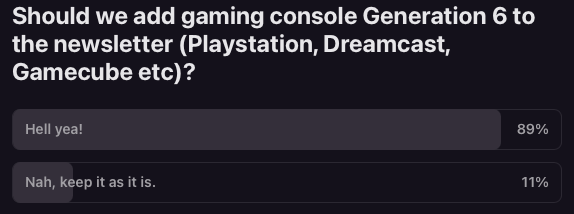
The people have spoken, and I will add generation 6 to the next edition. Thanks for reading, and I will always strive to make the newsletter better.

News

🎮Atari and My Arcade team up to tease an exciting new console at CES 2025—could this be a retro gaming revolution? [RetroShell] Link

The number pad is a strange addition…

🎨AYANEO’s Pocket Micro gets a Famicom-inspired makeover—perfect for retro enthusiasts! [Time Extension] Link

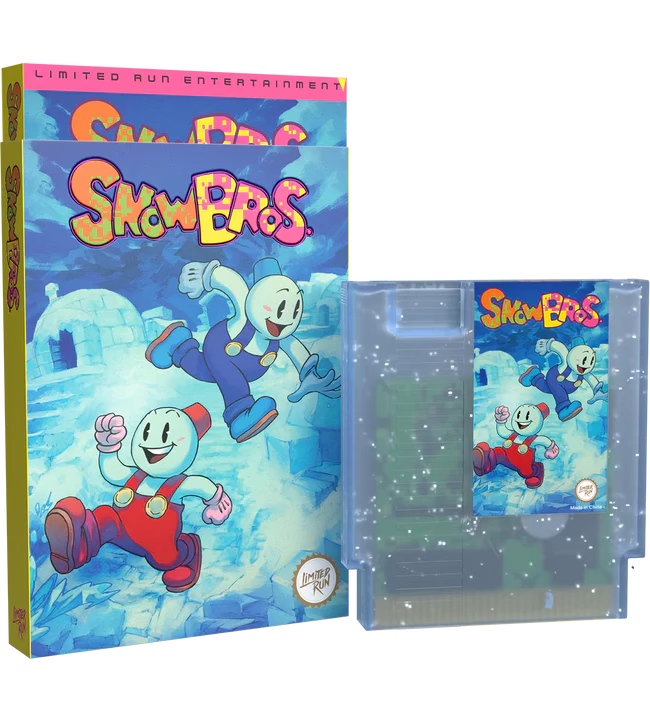
❄️Snow Bros. Deluxe Edition brings frosty fun to NES, Genesis, Mega Drive, and Game Boy—don’t miss this wintry revival! [RetroShell] Link

🕵️‍♂️A YouTuber’s bizarre saga involving fake Nintendo lawyers and DMCA takedowns—you won’t believe what happened next! [Game Rant] Link

🐉Dragonyhm, a magical retro RPG, breathes new life into the Game Boy Color—explore its enchanting world! [RetroShell] Link

📥Nintendo offers free N64 game downloads—here’s how you can grab these classics for your collection! [Gaming Bible] Link

⚡A fan-made Sega Saturn Sonic Galactic beta is here, and it’s already wowing gamers. [RetroShell] Link

✨Sonic Galactic is so polished it feels like an official Sega product—fan projects don’t get much better than this! [Time Extension] Link

💥Street Fighter IV gets an unexpected retro twist with a fan-made demo for the Sega Mega Drive and Genesis. [RetroShell] Link

🔧The modder behind the Sega Neptune is now eyeing the SNES PlayStation hybrid—could retro gaming dreams come true? [Time Extension] Link

🏴‍☠️Lost Treasure of Lima brings adventurous platforming to the Game Boy—set sail for some retro fun! [RetroShell] Link

🐺36 years later, the Sega Genesis finally gets a proper port of Shadow Dancer—better late than never! [Time Extension] Link

🥷🏻Shinobi surprises fans with a Neo Geo jump in this impressive fan project! [RetroShell] Link

📼The Atari Jaguar is coming to the Analogue Pocket—another win for retro hardware enthusiasts. [Time Extension] Link

🚀Exciting new Sega Genesis shooter ZPF opens for pre-orders—lock in your copy today! [RetroShell] Link

Features

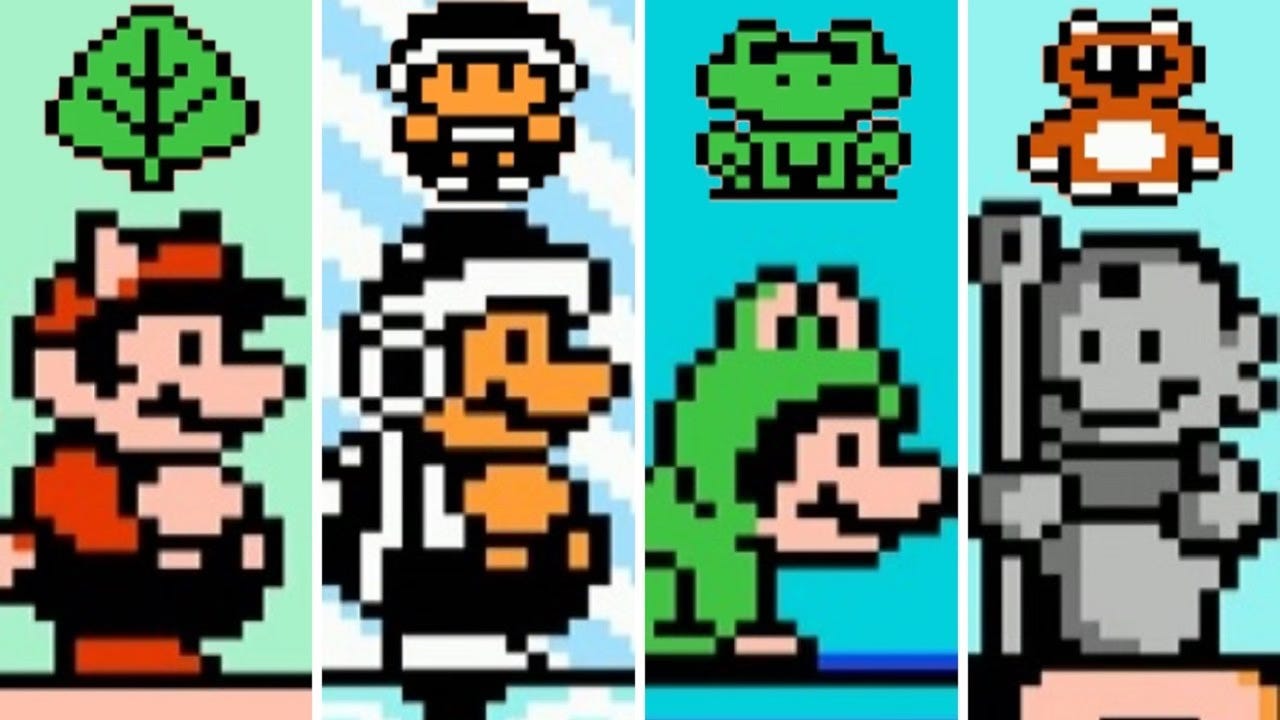
🍄Dive into the unmatched legacy of Super Mario Bros. 3 and discover why it remains a timeless classic. [RetroShell] Link

Choose your weapon

📺How YouTube’s censorship policies are creating new challenges for retro game historians preserving gaming’s past. [Time Extension] Link

💾Explore the Famicom Disk System’s unique take on Mario’s legacy, uncovering a fascinating chapter in Nintendo’s history. [RetroShell] Link

Really want one of these.

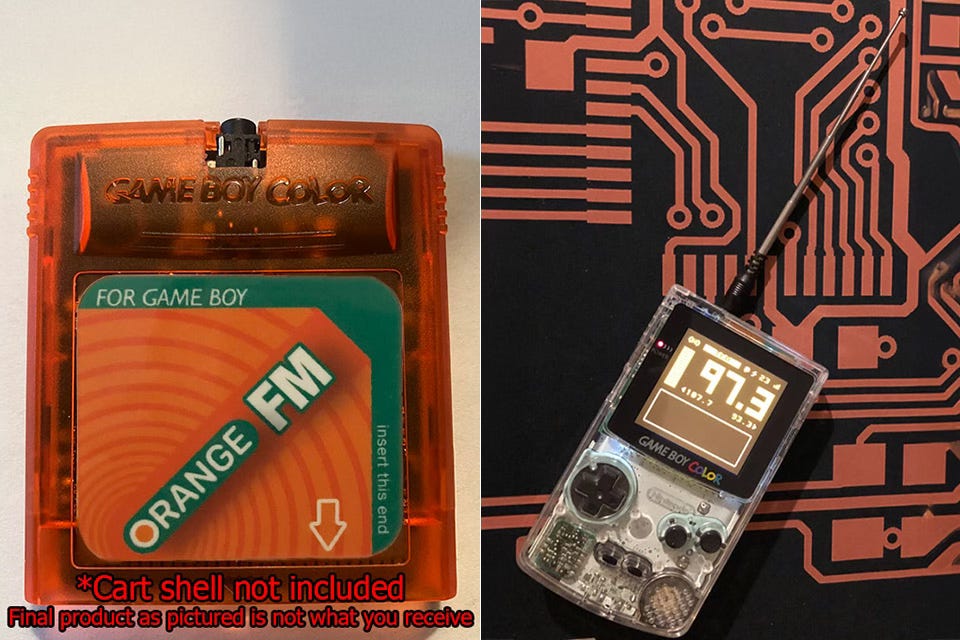
📻Meet the Orange FM Game Boy cartridge—a quirky accessory that doubles as a radio! [TechEBlog] Link

🎮Building the ultimate Nintendo 64 in 2025? Check out these essential upgrades for modern gaming perfection. [RetroShell] Link

📼A world record on the Nintendo 64, a dusty VHS tape, and a 15-year-long mystery solved—read this incredible gaming story. [Jason Deegan] Link

🔧Discover what you can still buy for the Sega Genesis in 2025—keeping retro alive in style! [RetroShell] Link

🐉Uncover the story of a fully playable Shenmue port for the PS2 that Sega developed but never released. [DualShockers] Link

🏆Ranking the top 10 Nintendo 64 games by Metacritic scores—how many of your favourites made the list? [RetroShell] Link

📉From ambitious beginnings to unexpected failures, revisit the reasons why Sega’s consoles ultimately stumbled. [SlashGear] Link

👾2025’s best NES products are here! See what’s keeping the Nintendo Entertainment System alive for another generation. [RetroShell] Link

🕵️Masahiro Sakurai’s connection to Detective Club reveals a surprising side of the Super Smash Bros. creator’s legacy. [EventHubs] Link

🎮Building the ultimate Nintendo 64 in 2025? Don’t miss these essential upgrades! [RetroShell] Link

Lists & Rankings

🕹️Explore the hottest Sega Genesis products you can buy in 2025—keeping retro gaming alive and well! [RetroShell] Link

🌀What if Sonic the Hedgehog wasn’t Sega’s mascot? Discover the surprising replacements Sega considered. [CBR] Link

🎮Nintendo’s official ranking of the 10 greatest NES games—find out which classics made the cut! [RetroShell] Link

💾Uncover the rarest PC Engine and TurboGrafx-16 games and what collectors are paying to own them. [Game Rant] Link

🎂The best SNES games of all time—Newsweek reveals the crème de la crème of the 16-bit era. [Newsweek] Link

🔍Classic video game fans rejoice—Season 2 of Secret Level dives deeper into gaming history. [CBR] Link

🌟The top 10 Nintendo 64 games ranked by Metacritic scores—are your favourites on the list? [RetroShell] Link

🎮Which handheld gaming consoles had the best graphics? A look at portable powerhouses through the years. [CBR] Link

💎Discover the rarest Neo Geo AES games and how much they’re worth in today’s collector market. [Game Rant] Link

A Wi-FI / AI enabled Game Boy Game “Do you like” is in Development

In a remarkable fusion of retro gaming nostalgia and cutting-edge technology, independent developer Kou is crafting a new mystery adventure titled “Do you like/?” for the Game Boy Color. This ambitious project not only revives Nintendo’s iconic handheld console from 1998 but also integrates modern AI capabilities and Wi-Fi connectivity, offering a unique gaming experience that bridges past and present.

A Retro Console Meets Modern Innovation

The Game Boy Color, celebrated for its role in portable gaming history, ceased production years ago. Yet, “Do you like/?” aims to breathe new life into this classic device. The game employs a Wi-Fi-enabled cartridge, inspired by Sebastian Staacks’ “wifi-game-boy-cartridge,” allowing for real-time AI interactions and dynamic storytelling. Notably, the Wi-Fi module complies with Japanese technical standards, ensuring seamless connectivity.

An AI-Driven Murder Mystery

“Do you like/?” immerses players in a suspenseful narrative where they assume the role of one of four amnesiac characters trapped in a deadly game orchestrated by an AI named Luna. The storyline draws inspiration from the early internet urban legend of the “Red Room,” with AI-generated scenarios that evolve based on player choices and dialogues. This real-time branching narrative promises a personalized and engaging experience, a groundbreaking feature for Game Boy Color titles.

Bilingual Support and Compatibility

The game is being developed with both English and Japanese language options, catering to a diverse audience. While optimized for the Game Boy Color and compatible devices, it’s important to note that the Wi-Fi and AI functionalities may not operate correctly on other hardware.

Crowdfunding Success and Release Timeline

As of now, the Kickstarter campaign for “Do you like/?” has garnered significant support, raising approximately ¥450,000 towards its ¥500,000 goal. With development reported to be 70% complete, the team anticipates delivering the game to backers by March. This project exemplifies a growing trend of indie developers creating new content for vintage gaming systems, blending nostalgia with contemporary technological advancements.

For more information or to support the project, visit the official Kickstarter page.

If you want to stay up to date on all of the retro news, sign up to to our weekly free retro gaming Substack, or follow us on X.

The 10 Greatest Nintendo Entertainment System (NES) Games as Officially Ranked by Nintendo!

Who did not love gaming magazines? Something was amazing about going to your local shop or having your favourite publication delivered to your home. The smell of the pages, the excitement of what might be coming and the promise of hints, tips and cheats for games that you might own. There was no internet for most of the retro gaming era, so magazines were all we had.

One of the most famous of these magazines was Nintendo Power. Nintendo Power was the official magazine of Nintendo and it ran from July 1988 until December 2012 (Future Publishing took over from 2007). Naturally, there was going to be a bit of bias towards their 1p games that they made themselves, and the NES had a catalogue of games that went back before the magazine started being published – but Nintendo Power did release a special supplement in issue 11 which contained the “Pak Source” which contained a review of most of the NES games.

The scores are broken down into 4 categories, and I have used the average to get the overall score.
• Graphics & Sound — Character and background graphics and background and special effects sounds.
• Play Control — Initial feel and overall play control.
• Challenge — Lasting interest and difficulty of play.
• Theme, Fun — Storyline, thrill, excitement, overall enjoyment.

I have taken a look back and aggregated these scores so you don’t have to, and without further ado, here are the top 10 best NES games, as per Nintendo Power.

10. Blades of Steel

Scores:

• Graphics & Sound: 4.0

• Play Control: 4.0

• Challenge: 4.0

• Theme & Fun: 4.5

Overall Score: 4.1

An arcade-style ice hockey game that brought fast-paced gameplay to the NES. Did you know Blades of Steel included a voice sample that said “Blades of Steel” at the title screen? This was a rare and impressive feature for the time.

Blades of Steel stood out for its unique fighting mechanic, which allowed players to duke it out mid-game, a feature that became a fan favourite. The game’s blend of sportsmanship and roughhousing made it a thrilling pick for multiplayer sessions.

9. Ninja Gaiden

Scores:

• Graphics & Sound: 4.5

• Play Control: 4.5

• Challenge: 4.5

• Theme & Fun: 4.0

Overall Score: 4.4

Known for its cinematic cutscenes and high difficulty, Ninja Gaiden pushed storytelling in games to new heights. Fun fact: the North American version is far harder than its Japanese counterpart due to enemy placement changes.

The game’s fast-paced action and fluid animation were groundbreaking for its time. With its intense boss battles and gripping narrative, Ninja Gaiden became a cult favourite and a benchmark for challenging gameplay.

8. Super Mario Bros. 3

Scores:

• Graphics & Sound: 4.5

• Play Control: 4.5

• Challenge: 4.5

• Theme & Fun: 4.5

Overall Score: 4.5

Widely regarded as one of the greatest games of all time, this classic introduced the overworld map and the legendary Tanooki Suit. An interesting fact: its launch was teased in the movie The Wizard before the game was released.

Super Mario Bros. 3 also introduced varied worlds, each with unique enemies, themes, and mechanics. The addition of secret areas and warp whistles added layers of depth, encouraging exploration and replayability.

7. Super Mario Bros.

Scores:

• Graphics & Sound: 4.5

• Play Control: 4.5

• Challenge: 4.5

• Theme & Fun: 4.5

Overall Score: 4.5

The game that started it all for Mario and Luigi. This legendary title was bundled with the NES and sold millions, revolutionising platformers. Did you know the clouds and bushes in the game share the same sprite, just recoloured?

Its tight controls, iconic power-ups, and memorable music created a formula that inspired countless platformers. Super Mario Bros. remains a masterpiece, often replayed by retro enthusiasts and speedrunners alike.

6. Bases Loaded

Scores:

• Graphics & Sound: 5.0

• Play Control: 4.0

• Challenge: 4.5

• Theme & Fun: 4.5

Overall Score: 4.5

This baseball simulation was a home run for sports fans, featuring detailed animations and player stats. It was one of the first games to include an over-the-pitcher’s-shoulder perspective, adding to its realism.

Bases Loaded also introduced voice commentary, an impressive feature for an NES game. The realistic depiction of the game brought players closer to the ballpark, setting a new standard for sports simulations.

5. Mike Tyson’s Punch-Out!!

Scores:

• Graphics & Sound: 4.5

• Play Control: 4.5

• Challenge: 4.5

• Theme & Fun: 4.5

Overall Score: 4.5

Step into the ring with Little Mac and face off against the charismatic Mike Tyson. Did you know this game was originally called Punch-Out!! but was rebranded with Tyson after his rise to fame?

The unique boxing mechanics and quirky opponents, like King Hippo and Glass Joe, made each fight feel fresh. The game’s charming graphics and subtle humour turned it into one of the most beloved NES titles.

4. Double Dragon

Scores:

• Graphics & Sound: 4.5

• Play Control: 4.5

• Challenge: 4.5

• Theme & Fun: 4.5

Overall Score: 4.5

This co-op brawler let players take on gangs to rescue Marian, a classic damsel-in-distress story. Despite being a port of the 2 player arcade game, due to the NES limitations, the console version is only a one player game.

Its gripping combat system and variety of moves, including grabbing weapons, made it endlessly replayable. The game’s urban setting and engaging level design kept players coming back for more.

3. Mega Man 2

Scores:

• Graphics & Sound: 5.0

• Play Control: 4.5

• Challenge: 4.5

• Theme & Fun: 5.0

Overall Score: 4.6

Capcom’s blue bomber hit his peak in this sequel, delivering tight controls and memorable boss fights. Fun fact: the developers worked on the game in their spare time after Capcom initially refused to fund a sequel!

The ability to choose stages in any order, coupled with the introduction of the iconic Robot Masters, made Mega Man 2 a trailblazer in its genre. The unforgettable soundtrack is still celebrated by fans.

2. Super Mario Bros. 2

Scores:

• Graphics & Sound: 4.5

• Play Control: 4.5

• Challenge: 5.0

• Theme & Fun: 5.0

Overall Score: 4.8

This sequel took Mario and friends in a new direction with unique character abilities and mechanics. Did you know that this game was originally a reskin of Doki Doki Panic for the Western market?

The game introduced vertical scrolling and a vegetable-throwing mechanic, adding variety to its gameplay. Its dreamlike world and vibrant characters made it a memorable entry in the Mario series.

1. Metroid

Scores:

• Graphics & Sound: 5.0

• Play Control: 4.5

• Challenge: 5.0

• Theme & Fun: 5.0

Overall Score: 4.9

The crown jewel of the NES library, Metroid introduced players to the mysterious world of Zebes and its haunting soundtrack. Interesting fact: Samus Aran’s identity as a woman was a major twist, shattering stereotypes in gaming.

Metroid’s non-linear exploration, combined with its foreboding atmosphere, set a new standard for adventure games. Its influence is seen today in the “Metroidvania” genre, a testament to its groundbreaking design.

So, there you have it, from Nintendo themselves – what do you think? Any glaring omissions that should be on the list?

If you are lucky enough to own any of these gems, be sure to protect them with the very finest in retro gaming protection – RetroShell’s premium game display protectors. Also, if you like content like this, sign up for our free Retro Gaming substack so you can get all the latest news delivered to your inbox each Monday.

Never stop playing!

The top 10 Nintendo 64 Games – ranked by Metacritic scores

The Nintendo 64, a cornerstone of 1990s gaming, introduced players to immersive 3D worlds and unforgettable adventures. Its library boasts titles that have not only stood the test of time but also set benchmarks for game design. Drawing from Metacritic’s rankings, let’s delve into the top 10 N64 games, each accompanied by intriguing tidbits that highlight their unique places in gaming history.

The Nintendo 64, a cornerstone of 1990s gaming, introduced players to immersive 3D worlds and unforgettable adventures. Its library boasts titles that have not only stood the test of time but also set benchmarks for game design. Drawing from Metacritic’s rankings, let’s delve into the top 10 N64 games, each accompanied by intriguing tidbits that highlight their unique places in gaming history.

1. The Legend of Zelda: Ocarina of Time

Metacritic Score: 99

Embarking on a quest as Link to thwart Ganondorf’s sinister plans, players traverse time and the expansive land of Hyrule. This masterpiece is lauded for its pioneering 3D gameplay and the introduction of the Z-targeting system, which revolutionised combat mechanics in action-adventure games.

Interesting Fact: “Ocarina of Time” was the first game to receive a perfect score from multiple gaming publications upon its release, cementing its status as a timeless classic.

2. Perfect Dark

Metacritic Score: 97

As Joanna Dark, players navigate a web of corporate espionage and alien conspiracies. Building upon the mechanics of “GoldenEye 007,” “Perfect Dark” introduced a robust multiplayer mode and a range of futuristic weaponry.

Interesting Fact: The game features an AI bot named “Simulant” in multiplayer mode, which could be customised with different difficulty levels and personalities, a groundbreaking feature at the time.

3. GoldenEye 007

Metacritic Score: 96

Step into the shoes of James Bond in this first-person shooter that combines stealth, strategy, and action. Its multiplayer deathmatch mode became a staple of social gaming, influencing countless shooters that followed.

Interesting Fact: Developed by a relatively inexperienced team at Rare, many of whom were working on their first video game, “GoldenEye 007” exceeded expectations and became a landmark title in the FPS genre. The legendary multiplayer element was not originally planned and was added as a last-minute feature.

4. The Legend of Zelda: Majora’s Mask

Metacritic Score: 95

Diverging from traditional Zelda narratives, this game immerses players in a three-day cycle to prevent the moon from crashing into Termina. Its darker themes and time-based mechanics offer a unique and challenging experience.

Interesting Fact: “Majora’s Mask” was developed in just over a year, a remarkably short development cycle, using the same game engine as “Ocarina of Time” to expedite the process.

5. Super Mario 64

Metacritic Score: 94

Mario’s leap into 3D platforming set new standards for the genre. With 15 open-world courses, players collect Power Stars to rescue Princess Peach from Bowser’s clutches.

Interesting Fact: “Super Mario 64” was one of the first games to feature a dynamic camera system controlled by the player, a significant innovation in 3D game design.

6. Banjo-Kazooie

Metacritic Score: 92

This charming platformer follows the duo Banjo and Kazooie on a quest to rescue Banjo’s sister, Tooty, from the witch Gruntilda. Its vibrant worlds and witty dialogue have endeared it to players for decades.

Interesting Fact: The game’s success led to a sequel, “Banjo-Tooie,” and the characters have made appearances in various other games, including “Super Smash Bros. Ultimate.”

7. Star Fox 64

Metacritic Score: 88

Commanding the Arwing spacecraft, players join Fox McCloud and his team to thwart the evil Andross. The game’s branching paths and voice-acted dialogue added depth to the on-rails shooting experience.

Interesting Fact: “Star Fox 64” was the first N64 game to utilise the Rumble Pak accessory, providing players with haptic feedback during gameplay.

8. Paper Mario

Metacritic Score: 88

With its distinctive paper-cutout art style, this RPG sees Mario embarking on a quest to rescue Princess Peach and the Star Rod from Bowser. The game’s humour and turn-based combat offer a delightful twist on the Mario franchise.

Interesting Fact: “Paper Mario” was initially conceived as a sequel to “Super Mario RPG” but evolved into its own unique series, blending traditional RPG elements with platforming.

9. Super Smash Bros.

Metacritic Score: 88

Nintendo’s iconic characters clash in this crossover fighting game. With a simple control scheme and chaotic multiplayer battles, it laid the foundation for one of Nintendo’s most successful franchises.

Interesting Fact: The original roster of eight characters is arranged in the order of their creation, starting with Mario and ending with Pikachu. 

10. Donkey Kong 64

Metacritic Score: 90

This expansive 3D platformer features Donkey Kong and his crew on a mission to stop King K. Rool. Known for its vast worlds and numerous collectables, it offers hours of gameplay.

Interesting Fact: Donkey Kong 64 has the world record for the most in-game collectables of any game today with a total of 3821.

These titles not only defined the Nintendo 64 era but also left an indelible mark on the gaming industry. If you are a collector of Nintendo 64 games and want to give them the best protection, get them a RetroShell premium case, to keep your treasures well protected.

How do you feel about these rankings? Is there something missing? Let us know in the comments below.

Building the Ultimate Nintendo 64 – Essential Upgrades for 2025

Ah, the Nintendo 64. For many of us, it holds a cherished spot in our gaming hearts, from conquering Rainbow Road in Mario Kart 64 to mastering headshots with Oddjob in GoldenEye 007. But let’s face it: time hasn’t been kind to the hardware. Original controllers wear out, analogue sticks get “grainy” memory paks fail, and that fuzzy video output doesn’t quite cut it on modern screens.

Thankfully, retro gaming enthusiasts and tech wizards have stepped in to give the N64 a 21st-century makeover. Here’s how to elevate your Nintendo 64 into a modern gaming powerhouse.

The Controller Evolution: Comfort Meets Performance

The original N64 controller is iconic, but let’s be honest—it’s not the most ergonomic design. The three-pronged layout feels more like a relic of experimentation than an ideal gaming interface. Enter the Retro Fighters Brawler 64 V2, a modernised take that finally makes sense.

With a sleek two-handle design, larger A and B buttons, and dual Z triggers, it’s a dream for both casual and competitive gamers. Whether you’re racing through F-Zero X or pulling off combos in Super Smash Bros., the improved grip and button placement feel just right.

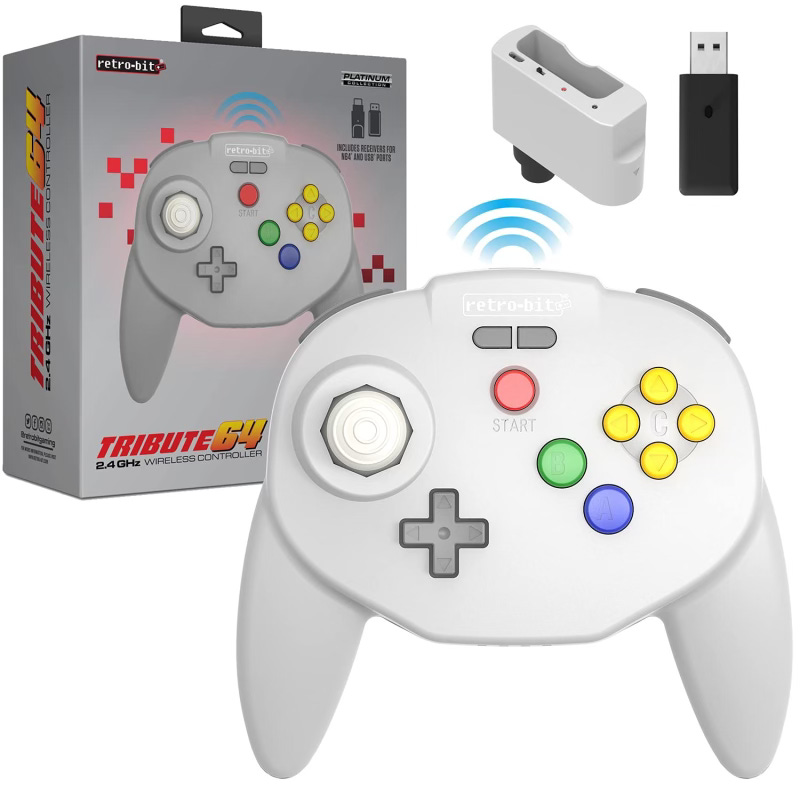
For those craving wireless freedom, the Retro-Bit Wireless Tribute 64 V2 is a game-changer. Offering up to 20 hours of battery life and compatibility with both PCs and the Nintendo Switch, it’s a versatile upgrade that lets you ditch the cables without sacrificing performance.

Storage Made Simple: Modern Memory Solutions

Remember the frustration of realising your Mario Kart 64 ghost data was gone because the Controller Pak battery died? Well, those days are over. Enter the Forever Pak 64, a battery-free alternative that ensures your saved progress is as eternal as your love for retro gaming. Matching the console’s original aesthetic, it retains the same 123-page storage capacity, making it an essential addition for serious collectors.

For those who dabble in multiple games and genres, modern solutions like the Forever Pak save you from constantly swapping and reformatting memory cards, so you can focus on what really matters—gaming.

Crystal Clear Gaming: Video Output Upgrades

Plugging your N64 into a modern HDTV can be a sobering experience. Those muddy visuals that worked fine on CRTs look decidedly less magical now. Luckily, there are some fantastic upgrades to breathe new life into your N64’s visuals:

1. RGB Modification ($11.50): This hardware modification unlocks the N64’s true potential, providing vibrant, sharp images when paired with modern upscalers. Note, that you will need some soldering skills to install these.

2. S-Video Output ($13.99): If you have an NTSC console, this affordable solution delivers a noticeable improvement over the stock composite output.

3. RetroTINK 5x: Widely regarded as the best plug-and-play scaler for retro consoles, this device makes your N64 games shine on modern TVs. Its ability to reduce input lag and upscale to 1080p ensures a seamless experience. It’s not cheap ($325), but, this is the best solution to get the original console to have the best picture quality.

Your Ultimate Library: The EverDrive-64 X7

The EverDrive-64 X7 is a must-have for any serious N64 enthusiast. This modern cartridge lets you load ROMs directly from a microSD card, unlocking a world of possibilities. Here’s what makes it special:

PAL and NTSC compatibility ensures it works across regions.

Rapid loading speeds (up to 23 MB/s) mean less waiting and more gaming.

GameShark cheat compatibility gives you a fun way to explore games in ways you couldn’t before.

Built-in save support eliminates the need for memory paks.

Want to explore unreleased titles, fan translations, or even custom ROM hacks? The EverDrive-64 X7 makes it all possible while letting you preserve your original game cartridges for posterity.

Looking for another option? Then you have the SummerCart64, which is an open-source flashcard and offers most of the functionality, for a better price and with full 64DD support. You can grab this for $42.32 from AliExpress.

Boosting Performance: The Expansion Pak

Some of the N64’s most iconic titles demand extra power, and that’s where the Expansion Pak comes in. This RAM upgrade doubles the system’s memory from 4MB to 8MB, unlocking higher resolutions, improved frame rates, and access to otherwise unplayable titles like Donkey Kong 64 and Perfect Dark. Even games that don’t require the Expansion Pak, like Turok 2: Seeds of Evil, see enhanced performance when it’s installed.

If you’re serious about your N64 library, this is a no-brainer addition.

Custom Console Shells: Revitalising Your N64’s Look

If you’re looking to take your Nintendo 64 modernisation even further, why not give the console itself a facelift? The Trogg Tech Funtastic Series shells from Stone Age Gamer are the perfect way to breathe new life into your beloved N64. These replacement shells are inspired by the classic Funtastic colours that Nintendo released in the late ’90s, but with a modern twist.

Available in a wide variety of colours—from translucent green and ice blue to vibrant red and purple—these shells let you customise your console to match your personality or gaming setup. Beyond their striking aesthetic, the shells are made with durable, high-quality materials, ensuring they’ll stand the test of time. They’re designed for easy installation, even if you’re new to console modding.

Protecting Your Investment: RetroShell Protectors

For those who cherish their retro game collections, keeping them in pristine condition is key. High-quality acrylic protectors like those from RetroShell ensure your rare N64 boxes, cartridges, and manuals stay safe from dust, sunlight, and wear. RetroShell offers precise fits for every collector’s need—because a complete N64 collection is only as good as its presentation.

Final Thoughts: A Future-Proof N64

The Nintendo 64 has stood the test of time, and these modern upgrades ensure it’ll keep shining for years to come. Whether you’re revisiting old favourites or diving into hidden gems, these enhancements make every gaming session more enjoyable.

From ergonomic controllers to sharper visuals and expanded libraries, there’s no reason your N64 should feel outdated in 2024. So, dust off that console, grab a new controller, and get ready to relive the golden age of gaming in style!

The best Nintendo Entertainment System (NES) products in 2025

The game console that pretty much built an industry, the “Nintendo Entertainment System” or simply the NES as it is more commonly called – was released in the USA in October 1985 (however existed as the Famicom in Japan since July 1983). The gaming industry was pretty much dead on its feet after the video game crash of the early 80s, but through a combination of quality games and better hardware, the NES almost singlehandedly revived and built the gaming industry we know and love today.

As we enter 2025, the scene for the NES has never been more vibrant with a long list of new games being developed alongside console modding and accessories being widely available, so let’s have a look at some of the top products related to this icon.

10. NES Cartridge holder

Starting with something more functional rather than exciting, but if you are lucky enough to own a collection of original NES cartridges, then you probably would like to play them, or at least store them in a way which will make them easier to access. So here we have the simple, but effective cartridge holder, which is an easy way to store your cartridges.

Price: $17.99 (Amazon)

Reviews: 4.8 Stars

Link

9. Cartridge cleaning kit

We all know the drill – game does not load – blow on the cartridge. Right? WRONG! By blowing on the terminal, it can make things worse as you blow condensation which can corrode the connectors. So, how do you protect your treasures to make sure that they can continue to serve you long into the future? Well, 1Up is here with a solution for cleaning your carts.

Price: $19.99 (Amazon)

Reviews: 4.6 Stars

Link

9. Cartridge cleaning kit

We all know the drill – game does not load – blow on the cartridge. Right? WRONG! By blowing on the terminal, it can make things worse as you blow condensation which can corrode the connectors. So, how do you protect your treasures to make sure that they can continue to serve you long into the future? Well, 1Up is here with a solution for cleaning your carts.

Price: $19.99 (Amazon)

Reviews: 4.6 Stars

Link

8. AV to HDMI Converter

You have an original NES, you have a modern TV, sadly these two do not go well together. For the original experience, you need a CRT (or a very expensive adaptor) – which can often cost you more than the console itself, and you need the space for a CRT (check out this beast). But what if perfection was not critical? You are in luck, there a number of simple adaptors that will do a job and connect your console to a modern television.

Price: $9.95 (Amazon)

Reviews: 4.3 Stars

Link

7. Snow Bros.

I love Limited Run Games, they have done a great job of creating new games for this classic console. The latest release they are working on is Snow Bros. To quote them “Evil King Scorch has kidnapped the shimmering Frost Princesses, and is about to take over Snow Land. He’s trapped the Snow Brothers, Nick and Tom, in an ice-house full of freezing baddies. The two cool crusaders sling a slug of snow at their captors to chill them out. But to escape, they’ve got to ice the Abominable Snow Boss!” They are also offering a deluxe edition with an ice themed cartridge, soundtrack and poster for $89.99. Due September 2025 with pre orders closing 26th January ’25.

Price: $59.99 (Limited Run Games)

Link

6. 6FT / 1.8m Controller Extension Cables

The NES original controllers are amazing, from their best in class D pad to the very square shape, they are an icon in the world of gaming. One thing they did not forsee in the 80’s was the explosion of TV sizes, and the cables that come with the original controllers are not long enough when you are enjoying your games on the big screen, unless you want to get square eyes. So, I highly recommend getting some extensions for the original cables so that you can enjoy the original experience at a more enjoyable distance.

Price: $8.95 (Amazon)

Reviews: 4.2 Stars

Link

5.5 Our free Substack newsletter

A quick note from our sponsor… We produce a free, weekly roundup of all of the retro gaming news in the past 7 days. If you love retro, you will probably like this newsletter delivered straight to your inbox each week on a Monday.

Price: $0.00 (Substack)

Link

5. Retro-Bit Origin 8 2.4 GHz Wireless Controller

So you have decided that you want wireless for your original console, and maybe the ability to use this controller with another bluetooth device. Retro-Bit have got you covered with their modern take on the retro controllers. The reviews are not great, only 3.8 stars at the time of writing, with some peoiple saying the dongle does not fit and there are some pairing issues – but the versitility of this product probably makes it worth a risk as you can use it as a spare, either for the NES or other gaming systems.

Price: $8.95 (Amazon)

Reviews: 3.8 Stars

Link

4. RetroShell NES Game Protectors

You have a fully boxed, mint condition NES game. They are not making any more of these pieces of history and Nintendo decided that a cardboard box was going to be sufficient to protect this gaming treasure. Well, sadly 30 years of wear and tear is hard on these boxes and few are surviving without some scars from years of use, or being sat in a dusty cupboard. The prices of games will not be going down any time soon, and the better condition, the more it is worth. In steps RetroShell with their premium game display protectors. Offering best in class protection and an trap door for easy accss, this will protect your collection for many years to come ensuring that your investment and collection is in the best hands.

Price: $18.00 (RetroShell)

Link

3. Mega Man X – 30th Anniversary Classic Cartridge

Another new cartridge for a legacy system – this time the iconic Mega Man X. I am 8 bit still has some stock of their 30th Anniversary Mega Man X available. Thes are limited to 8,500 units and are fully playable. Plus, if you are lucky, you will get a glow-in-the-dark blue edition of the cartridge.

Price: $100.00 (RetroShell)

Link

2. Bitmap Books – NES: A Visual Compendium

Bitmap books make wonderful products, all very high quality “coffee table” books which are both beautiful and insightful. The compendium covers 170 classic games across the NES and Famicom over a monstwer 512 pages, covering things such as unreleased games and fan art.

Price: $39.00 (Bitmap Books)

Link

1. T-Shirt: Keep it Classic!

There are a plethora of gaming tshirts available, so it is hard to pick a favourite. Not every t-shirt can be exclusive or limited edition like the numbered Player Clothing tees, so I have gone with a classic. 100% cotton, with some excellent reviews, I give you this NES classic to round of the list.

Price: $14.95 (Amazon)

Link

Thanks for reading! Are there some other products related to the NES that we have missed? Let me know in the comments below.

The Famicom Disk System’s Mario Legacy: A Fascinating Chapter in Nintendo’s History

In the annals of gaming history, Nintendo’s Famicom Disk System (FDS) stands as a beacon of innovation, nostalgia, and curiosity. Released in February 1986, this peripheral to the Famicom (the Japanese NES) introduced a host of features that were groundbreaking at the time. From save functionality to enhanced audio capabilities, the FDS was a remarkable experiment. However, what truly sets it apart is its role in shaping the Mario franchise, offering exclusive titles and experiences that many Western gamers missed.

The Famicom Disk System: A Revolutionary Leap

The FDS was a bold step forward for Nintendo. It utilised Quick Disk format technology, allowing games to be stored on rewritable disks, each boasting a 128K storage capacity (56K per side). This format made games cheaper to produce and offered players the ability to save their progress—a rarity in mid-1980s gaming. The system also enhanced the Famicom’s audio capabilities, enabling richer and more complex soundtracks that gave games a more immersive quality.

But the FDS wasn’t just about technology—it was about strategy. Nintendo envisioned it as the primary platform for their first-party titles, and between November 1985 and November 1987, they committed exclusively to developing games for the FDS in Japan. Early success seemed to affirm their plan: 300,000 units were sold in the first three months, and 2 million within a year.

Yet, the future had other plans. Advances in cartridge technology, particularly the advent of memory mappers, rendered the FDS obsolete by the late 1980s. Still, its brief life left an indelible mark, particularly in the realm of Mario.

Exclusive Mario Games That Defined the FDS

For fans of Mario, the FDS is a treasure trove of unique experiences. The system hosted several Mario titles, some exclusive and others enhanced versions of existing games. These titles not only pushed the boundaries of the franchise but also demonstrated Nintendo’s willingness to experiment.

All Night Nippon Super Mario Brothers

This quirky gem, released in 1986, epitomises the FDS’s experimental spirit. A collaboration between Nintendo and the Japanese late-night radio show All Night Nippon, this game is a reimagining of the original Super Mario Brothers. It features remixed levels from the original and the notoriously difficult Lost Levels, adorned with TV-themed elements and celebrity cameos. It’s a whimsical, distinctly Japanese iteration of Mario that remains a curiosity for collectors and fans alike.

Super Mario Brothers 2 (Lost Levels)

Known in Japan simply as Super Mario Brothers 2, this game was a FDS exclusive for years before reaching Western audiences as part of Super Mario All-Stars. It introduced a host of innovations, including:

Poison Mushrooms: A devious twist on the familiar power-up mechanic, these would harm rather than help players.

Character Differences: Luigi finally stepped out of Mario’s shadow with his higher jumps and slipperier controls, adding a layer of strategy.

Environmental Challenges: From gusty winds to high-bouncing green trampolines, the game upped the difficulty and creativity.

This sequel’s brutal difficulty earned it the moniker “Lost Levels” in the West and cemented its place as a hardcore gamer’s badge of honour.

Original Super Mario Brothers

While the cartridge version of Super Mario Brothers is iconic, the FDS version included an intriguing distinction: a different Minus World. Unlike the endless underwater loop of the cartridge version, the FDS’s Minus World was a fully playable, albeit bizarre, series of levels that could actually be completed. This change offered players an added layer of mystery and replayability.

The FDS’s Role in Gaming Innovation

The FDS wasn’t just about Mario—it was a testing ground for ideas that would shape Nintendo’s future. Its most significant contributions include:

1. Game Saving: The ability to save progress paved the way for franchises like The Legend of Zelda, which debuted on the FDS before becoming a cartridge staple.

2. Enhanced Audio: The FDS’s additional sound channels allowed for richer, more atmospheric soundtracks that elevated the gaming experience.

3. Affordable Game Production: Quick Disks were cheaper to produce than cartridges, helping Nintendo maintain supply during a period of rapid growth.

These innovations underscored Nintendo’s forward-thinking approach, but the FDS’s reliance on disks also revealed limitations. Load times and durability issues with the disks themselves eventually led to its decline.

A Legacy That Lives On

Despite its relatively short lifespan, the FDS’s impact is undeniable. It played a crucial role in the early growth of Nintendo’s dominance in the gaming industry. For the Mario franchise, it was a space to experiment—testing mechanics, level designs, and ideas that would later become iconic.

Additionally, the FDS helped Nintendo navigate supply chain challenges during a period of explosive growth, proving invaluable as a stopgap measure before advances in cartridge technology took over. Features like game saving and enhanced audio would become standard in future consoles, a testament to the system’s forward-thinking design.

The Enduring Fascination with the FDS

Today, the FDS remains a cult favourite among retro gaming enthusiasts and collectors. Its unique library, innovative features, and place in gaming history make it an essential part of Nintendo’s story. Mario fans, in particular, owe a debt to the FDS for the quirky, challenging, and groundbreaking titles it brought to life. While the system itself may no longer be functional for most players, its legacy lives on in emulation, modern remakes, and the enduring charm of Mario.

If you are a FDS collector, and want the best game protectors for your Famicom Disk System games, check out RetroShell’s premium protectors.

Previously unreleased NES Prototypes shared with the Retro Community

Hidden Palace has unveiled a treasure trove of NES prototypes from the collection of Armageddon Potato, a well-known figure in the Nintendo collecting community. This release offers enthusiasts a unique glimpse into the development stages of numerous classic titles.

The collection includes early versions of games such as Adventures of DizzyBombermanBubble Bobble 2Felix the CatMega Man 2Ninja Gaiden II, and The Simpsons: Bart vs. the World. These prototypes provide invaluable insights into the evolution of these games, showcasing differences in graphics, levels, and gameplay mechanics compared to their final releases.

In addition to Armageddon Potato’s collection, a previously unseen prototype titled Scanner has been released, courtesy of Frank Cifaldi. Furthermore, the team at Codebound has contributed source code and several builds of The Lion King for NES and Game Boy, offering a deeper understanding of the game’s development process.

These releases are part of Hidden Palace’s ongoing efforts to preserve video game history by archiving and sharing prototypes, source code, and other development materials. Such initiatives are crucial for understanding the creative processes behind classic games and ensuring that this knowledge is accessible to future generations.

For those interested in exploring these prototypes, they are available for download on Hidden Palace’s website. This release not only enriches the historical record of NES game development but also provides fans and researchers with the opportunity to experience and study these early versions firsthand.

To stay updated on future releases and preservation efforts, follow Hidden Palace on their official channels.

The Game Genie: The Cheat Code Revolution That Changed Gaming Forever

Cheat codes and gaming go hand in hand. They’re like secret handshakes that give players the power to bend the rules of a game, transforming frustrating challenges into triumphant victories or just adding a bit of chaotic fun. But where did this culture of gaming cheats originate? Much of it can be traced back to a humble yet groundbreaking device that emerged in the early 1990s: the Game Genie.

This magical little accessory redefined the gaming landscape, introducing players to the wild world of customisable gameplay through cheat codes. Let’s dive into the story of the Game Genie, from its scrappy beginnings to its legendary legacy.

The Birth of a Genius Idea

In the late 1980s, Codemasters, a British gaming company known for its innovative spirit, sought to collaborate with Nintendo to create an officially sanctioned product. The company’s founders, Richard and David Darling, were keen to harness their creative energy in partnership with the console giant. However, Nintendo wasn’t interested. For many, that rejection might have marked the end of the story. For the Darlings, it was just the beginning.

Spurred on by the snub, Codemasters teamed up with a programmer named Ted Carron, who successfully reverse-engineered Nintendo’s security features. The result was the Game Genie, a device that allowed players to manipulate games on their own terms. It wasn’t just about beating the game; it was about playing it your way.

How the Game Genie Worked

The Game Genie wasn’t just a plug-and-play accessory; it was a gateway to a new dimension of gaming. Functioning as an intermediary cartridge, players would insert their game into the Game Genie, which then plugged into their console. Upon startup, the device intercepted the game’s code, allowing users to input 3-5 cheat codes. These codes, which had been meticulously tested by a team of developers called Codebusters, could alter various aspects of the game.

Want infinite lives in Super Mario Bros.? No problem. Fancy moon gravity in Sonic the Hedgehog? You’ve got it. The Game Genie turned console gaming into a playground of possibility.

But how did these codes work? Essentially, the device modified the values stored in the game’s memory. This process, though straightforward today, was a technical marvel in its time, requiring hours of trial and error to discover which bits of data corresponded to certain game functions.

A Legal Showdown with Nintendo

Of course, not everyone was thrilled about the Game Genie’s existence. Nintendo, notorious for its tight grip on intellectual property, saw the device as a direct threat. The company claimed that the Game Genie created unauthorised derivative works and sued Galoob, the distributor of the Game Genie in the US, along with Codemasters.

The case was nothing short of a spectacle. Nintendo argued that altering their games violated copyright law, while Galoob and Codemasters contended that the Game Genie merely modified how games were played, not their underlying code.

In a landmark ruling, the court sided with Galoob and Codemasters, establishing a critical precedent: players had the right to modify games they legally purchased. The court even ordered Nintendo to pay $15 million in damages and legal fees, a bitter defeat for the gaming giant.

This legal victory wasn’t just a win for Codemasters—it was a win for gamers everywhere, solidifying the concept of player agency and laying the groundwork for the modding communities we see today.

The Commercial Triumph

Despite the legal drama, the Game Genie was a massive commercial success. By 1992, it had generated a staggering $65 million in revenue for Galoob, and by the end of its lifecycle, approximately 5 million units had been sold. The device was released for five major platforms:

Nintendo Entertainment System (NES)

Sega Genesis / Megadrive

Super Nintendo Entertainment System (SNES)

Game Boy

Game Gear

Each version opened up new realms of possibilities for players, making the Game Genie a must-have accessory for those who wanted to take their gaming experience to the next level.

Unfulfilled Potential: The Game Genie 2

While the Game Genie was a runaway success, its story isn’t without a few “what-ifs.” Codemasters had plans for a Game Genie 2, a device that promised advanced features like user-discoverable codes and conditional cheats. Unfortunately, the rapidly changing gaming market, coupled with the rise of newer consoles, meant that the second iteration never made it to store shelves.

It’s fascinating to imagine what could have been. A Game Genie with the ability to let players create their own codes would have been a game-changer—pun intended.

Legacy: More Than Just Cheats

The Game Genie’s impact extends far beyond its initial success. It inspired a wave of similar products, such as the GameShark and Action Replay, which brought their own innovations to the table. More importantly, the legal battle surrounding the Game Genie helped define the rights of players and the boundaries of intellectual property law in gaming.

Even today, the spirit of the Game Genie lives on. Modding communities owe a debt to this little device, as it was one of the first to empower players to modify their games. The cheat culture it popularised has evolved into a vibrant ecosystem of mods, hacks, and customisations that keep old games alive and make new ones even more exciting.

The Cheat Code Culture

It’s easy to dismiss cheat codes as relics of the past, but they remain an integral part of gaming culture. From the Konami Code to modern Easter eggs, the ethos of bending the rules in creative ways is as popular as ever. Speedrunners exploit glitches to achieve record-breaking times, and modders build entire new worlds within existing games.

The Game Genie wasn’t just a tool—it was a cultural phenomenon that encouraged players to think outside the box and explore what gaming could truly be.

Conclusion: A Genie Worth Remembering

The Game Genie was more than a gaming accessory; it was a statement. It told players that games weren’t just static experiences to be consumed—they were dynamic worlds to be shaped, explored, and personalised. Whether it was infinite ammo in Contra or high-jump shenanigans in Mega Man, the Game Genie brought joy, creativity, and a touch of chaos to every game it touched.

Its legacy is felt in every cheat code, every mod, and every gamer who’s ever asked, “What if I could play this my way?” The Game Genie may have been a product of the 1990s, but its influence is timeless.

If you are a game collector, and you want the finest protectors to display and protect your retro treasures, be sure to protect them with RetroShell, the worlds best game display protectors.

Keep playing—and never stop dreaming of what’s possible.