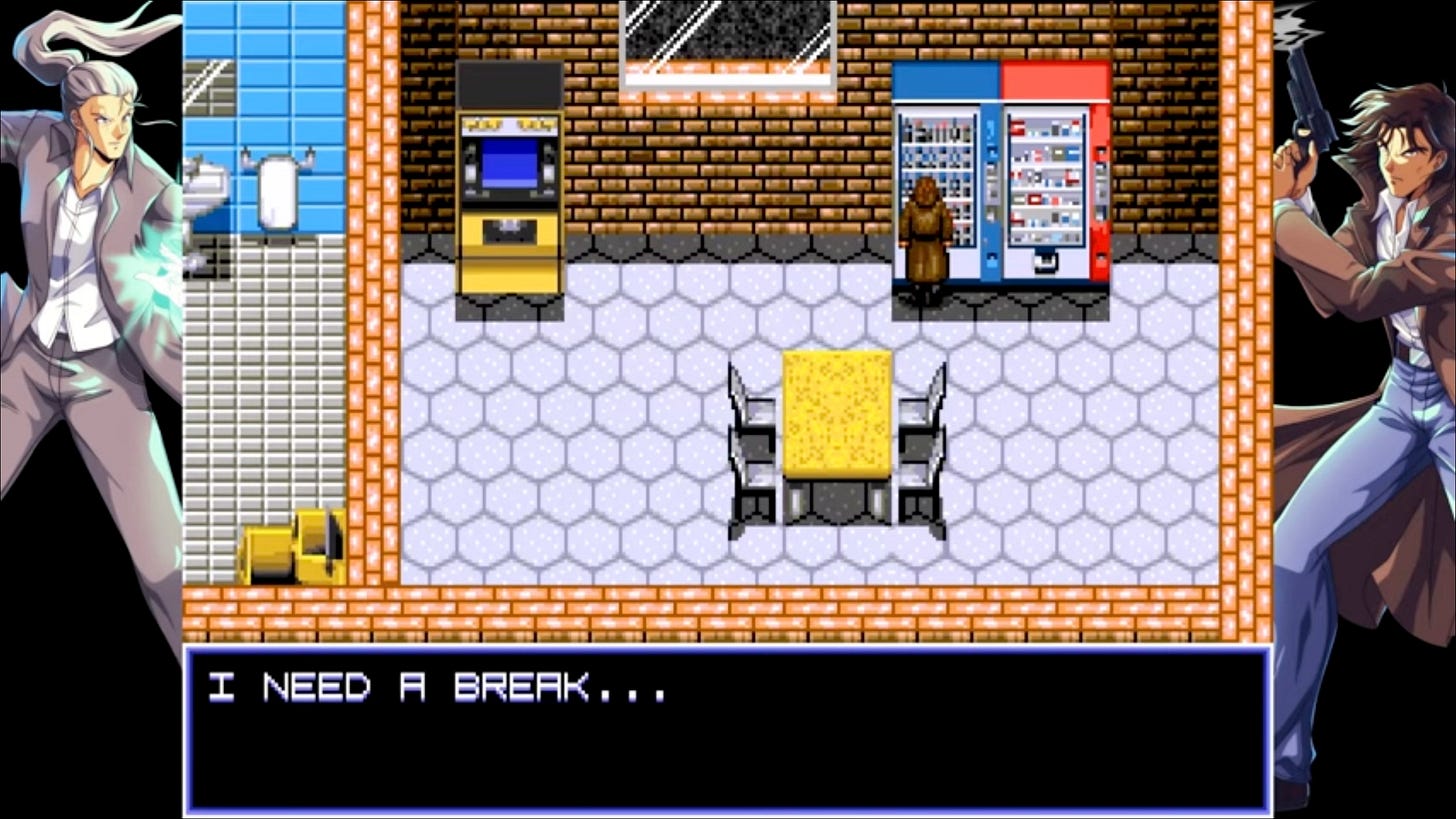
The Neptune console was a project from Sega to merge both the Sega Megadrive/Genesis and the 32x to create a more horizontal experience than the tower of power that is the modular approach. There has been some development as Cosam The Great has shared a promo video for the project, giving some insights as to the work that goes into the development, along with some details of the early promotional material for the original project.
As if that was not enough to get you excited about what might be, there has also been an image shared by @DVIZIX showing what the control pad might look like for this project – and it looks amazing. As I have said many times before, I think the 6-button pad is the pinnacle of gaming controllers, and this looks to be an even better version of this – with beautiful transparent XYZ buttons.
Credit Dvizix
Not too much else to report on the project along the lines of release dates or cost, but we will be continuing to follow the project with a very keen interest.
Elevate your collection. RetroShell™ protects your games while our newsletter keeps you connected to gaming’s golden years.
This week in gaming has been mostly focused on trying to source a guitar for the PS3 for a reasonable price (and with a dongle), and still playing Marvel Snap and Rivals. I’m also playing a game called Retro Bowl on IOS which is very cool! If anyone has any good IOS games like this, please let me know in the comments.
29 featured stories this week, and I have now added Gamecube, PS1/2, Xbox and Dreamcast to the list of consoles covered. Atari announce a new console, lego Game Boy and a load more.
News
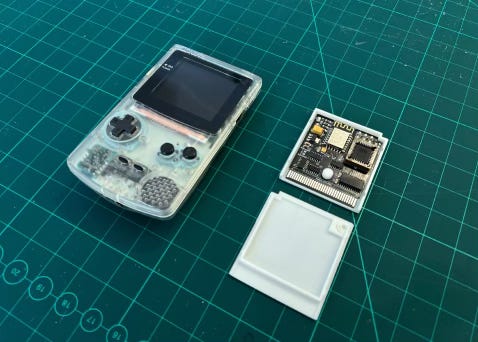
🎮A Wi-Fi and AI-enabled Game Boy game, Do You Like, is in development—blending retro vibes with futuristic tech! [RetroShell] Link
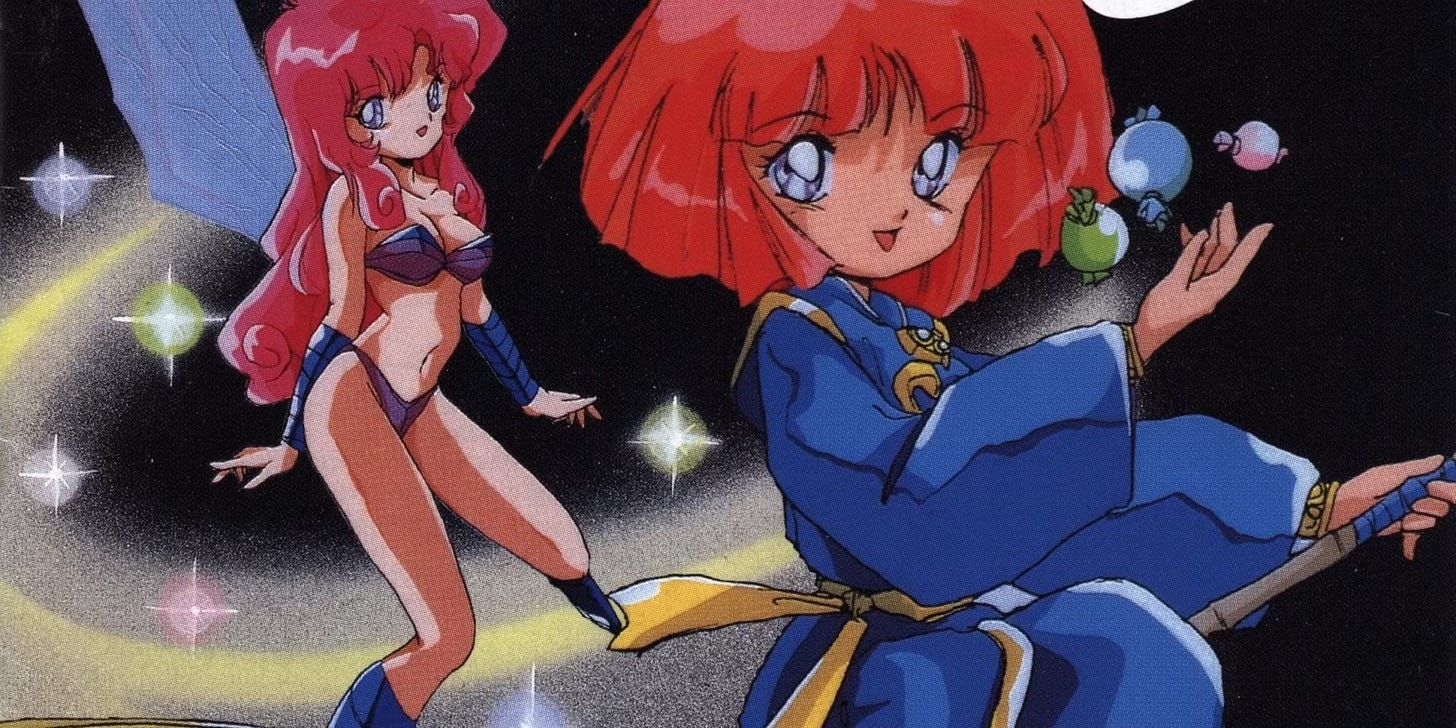
💒Wedding Peach, the SNES party game, just got a brand-new fan translation—perfect for your next retro multiplayer session. [Time Extension] Link
👾The final build of DOOM 64 has arrived for Sega Dreamcast fans, bringing a cult classic to a beloved console. [RetroShell] Link
📱The all-purpose emulator Provenance is now available on iOS, making retro gaming on Apple devices easier than ever. [Gearrice] Link
🌬️Pre-orders are now open for The Secret of the Four Winds Collector’s Edition for Sega Mega Drive/Genesis—secure yours now! [RetroShell] Link
🥋A new Virtua Fighter project was previewed at CES 2025, teasing fans with what’s next for the iconic fighting franchise. [RetroShell] Link
🤖The modular Mecha Comet, priced at $160, is giving us serious DIY Game Boy vibes—retro gaming meets modern ingenuity. [Time Extension] Link
🔥A new Gunstar Heroes: Ultimate Edition ROM hack has dropped for Sega Genesis, packed with fresh features for fans. [RetroShell] Link
🖼️Step into DOOM: The Gallery Experience and explore the game’s art and legacy in an innovative way. [RetroShell] Link
🎮The BackBit Neo Geo ROM cart has been announced at $400, providing new ways to explore the Neo Geo library. [RetroShell] Link
🕹️An XXL arcade machine for Street Fighter Alpha 2 has been unveiled at CES 2025, bringing the iconic title to life on a massive scale. [RetroShell] Link
🌟A homebrew Dreamcast game with 82 playable characters has been released for PC and Android, pushing the boundaries of retro creativity. [RetroShell] Link
Features
💾 Explore the tech revolution fueling retro gaming in 2025 and how it’s shaping the future of nostalgia-driven gaming experiences. [RetroShell] Link
🦔 Sonic Adventure 2 has been adapted twice, but do these versions do justice to the blue blur’s legacy? [CBR] Link
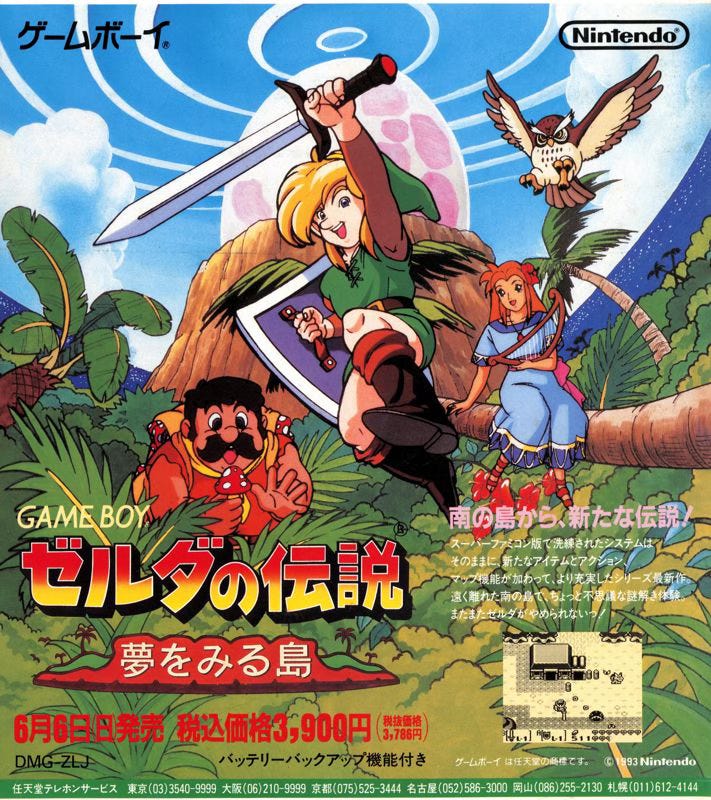
🛡️Uncover the untold story behind Link’s Awakening, one of Nintendo’s most unique Zelda games. [RetroShell] Link
🎮 Relive the console wars with a deep dive into the rivalry between Sega Dreamcast and PlayStation 2—who really came out on top? [CBR] Link
🦁 Games like The Lion King and The Phantom Menace are infamous for being abandoned after one level—find out why! [The Gamer] Link
🍄 Celebrating Super Mario Bros. 3, a game whose legacy redefined what gaming could be—discover its incredible impact. [RetroShell] Link
💥 This Street Fighter Alpha 2 commercial delivered iconic jokes that still resonate with fans today. [EventHubs] Link
🔧 Protect your cherished retro game collection with the best tips and tools for keeping games in mint condition. [RetroShell] Link
🌀 Unlock hidden debug menus in the cult Dreamcast RPG Segagaga with this new patch—fans rejoice! [Time Extension] Link
🧱 A LEGO PS2 design with moving internals could become reality alongside Simpsons and Jumanji kits—dreams really do come true! [Games Radar] Link
Lists & Rankings
🌐Discover the top 10 retro gaming Reddit communities ranked by members for January 2025—find your next favourite group! [RetroShell] Link
🎮Explore the best Nintendo games exclusively available on the Game Boy Advance—classic handheld gems! [Game Rant] Link
💰Dive into the world of the rarest PC Engine and TurboGrafx-16 games—find out how much they’re worth today! [Game Rant] Link
🎸Rolling Stone ranks the top 50 video games of all time—see which classics made the cut and which were snubbed! [RetroShell] Link
🔄Forgotten Sega games that truly deserve a remake—relive these hidden gems and imagine the possibilities! [DualShockers] Link
😱From censorship scandals to disturbing themes, these are the most controversial horror games ever created. [Game Rant] Link
👻The scariest enemies in non-horror games—proof that even action and adventure titles can send shivers down your spine! [WhatCulture] Link
The Super Mario Land series holds a special place in gaming history. These Game Boy classics were Nintendo’s first foray into adapting their legendary Super Mario Bros. franchise for a handheld console. Spanning just three games, the series introduced new characters, mechanics, and worlds that still resonate with fans today. Yet, these gems often remain overlooked in favour of Mario’s larger console adventures.
A Game Boy Launch Essential
Released in 1989 as a launch title for the Game Boy, Super Mario Land showcased the console’s potential. The game introduced Sarasaland, a new setting filled with unique kingdoms inspired by real-world locations, such as the Egyptian-style Birabuto and the mysterious Easter Island-inspired Easton. Princess Daisy also made her debut here, adding a fresh face to the Mario universe.
Super Mario Land managed to condense the magic of Mario’s NES adventures into a 12-level portable experience. Despite its brevity and slightly “off” physics, the game sold over 18 million copies worldwide, making it one of the best-selling Game Boy titles of all time.
The Original Box from Japan
Innovating the Mario Formula
In 1992, Super Mario Land 2: 6 Golden Coins took the series to new heights. With richer graphics, an overworld map, and new power-ups like bunny ears for hovering, the game felt closer to the console-based Mario games fans knew and loved. This sequel also introduced Wario, the greedy anti-hero who would later star in his own successful series.
Unlike its predecessor, Super Mario Land 2 gave players more freedom to explore non-linear worlds, including the eerie Pumpkin Zone and the whimsical Mario Zone, a giant mechanical version of Mario himself. The game sold over 11 million copies, cementing its place as a Game Boy classic.
Wario’s debut from the game, Super Mario Land 2
Wario Takes the Spotlight
The third instalment, Wario Land: Super Mario Land 3, shifted the spotlight entirely to Wario. Released in 1994, this game introduced slower, treasure-focused gameplay and unique mechanics like Wario’s hat power-ups. It marked the start of the Wario Land series and was a fitting end to the Super Mario Land saga, which had now sold over 34 million units across all three titles.
Not a Mario in sight
Why It Matters
The Super Mario Land series demonstrated Nintendo’s ability to innovate while staying true to their beloved franchise. It introduced enduring characters like Daisy and Wario, while pushing the boundaries of what the humble Game Boy could achieve. Despite their underappreciated status today, these games were instrumental in the Game Boy’s early success.
For collectors and fans, preserving these pieces of gaming history is essential. Protect your treasured Super Mario Land cartridges with a RetroShell premium game protector. And if you’re as passionate about retro gaming as we are, subscribe to our newsletter at Retro Gaming Substack for more nostalgic deep dives.
8BitDo has become a go-to brand for retro gamers and tech enthusiasts, offering high-quality, versatile controllers compatible with a variety of platforms. Based on Amazon reviews and scores, we’ve rounded up the top 10 8BitDo controllers you can buy, ranked in reverse order. Let’s dive in!
The Top 10 8BitDo Controllers You Can Buy on Amazon (Ranked by Reviews & Score)
8BitDo has become a go-to brand for retro gamers and tech enthusiasts, offering high-quality, versatile controllers compatible with a variety of platforms. Based on Amazon reviews and scores, we’ve rounded up the top 10 8BitDo controllers you can buy, ranked in reverse order. Let’s dive in!
This officially licensed NEOGEO controller is perfect for arcade fans. Featuring the classic click-style joystick, it’s designed for Windows, Android, and the NEOGEO mini. If nostalgia and precision are your priorities, this is a solid pick. With a solid rating of 4.6 stars, and 455 reviews this is a solid pick if you are looking for a quality controller for your devices.
For Genshin Impact fans, the officially licensed Chongyun Edition combines a sleek design with high performance. It works seamlessly with PC, Android, and Steam Deck, offering responsive gameplay and a premium feel. It comes with a docking station for easy charging and it looks great with the golden D-pad.
8. 8BitDo SN30 Pro Switch Wireless Bluetooth Game Controller (Green)
This stylish green controller is compatible with Switch, PC, Android, and Mac. The Hall Effect Joystick ensures durability, while its ergonomic design makes it a fantastic choice for extended gaming sessions. It offers custom profile switching allowing you to change between Switch, macOS, D-Input and X-Input. The colors might not be for everyone, but the transparent look is great in our opinion.
Designed for the original SNES/SFC, this transparent beauty offers the ultimate retro gaming experience. With its lightweight design and reliable wireless connection, and a rating of 4.6 from 726 reviews (at time of writing) its a great option for those who want to upgrade their SNES with a wireless controller.
Tailored for the original NES, this compact and simple controller channels 8-bit nostalgia with every press. Its out-of-stock status at the time of writing reflects just how beloved it is among retro gamers. It connects to the original NES giving you a bit more freedom for the original console where the original controllers had less length.
With a Hall Effect Joystick and compatibility across multiple platforms (Switch, Steam Deck, Android, etc.), this controller offers unparalleled versatility including a motion sensor and modifiable vibration sensitivity – Its sleek black design is just a bonus. With over 1,700 reviews and a score of 4.6 this shows that it is a quality product which will work with most devices in a classic format.
4. 8BitDo SN30 Pro Wireless Bluetooth Controller (Jade Green)
Another entry for this controller, this being the more modern version, this controller is packed with features like rumble vibration, USB-C compatibility, and Hall Effect Joysticks. It’s a reliable companion for modern and retro gaming. The SN30 Pro boasts the features of clickable joysticks, rumble vibration, motion controls, wireless Bluetooth, rechargeable battery with 16h life, home and screenshot Buttons and a USB-C connector, bring more realistic game enjoyment. With over 3 thousand reviews at a quality 4.6 stars, its a solid choice for a bluetooth controller.
A consistent fan favourite, this controller is compatible with a broad range of platforms. The updated Hall Effect Joystick ensures precision, making it ideal for competitive or casual gaming alike. For gamers who cherish the SNES style of controller to play both modern and retro games, this is a great choice with over 5000 reviews and at a great price point.
Created for the Sega Genesis and Mega Drive, this gamepad is the ultimate throwback to the golden era of gaming. Its ergonomic design and responsive buttons deliver a modern twist on a classic favourite. I think the Sega Genesis/Megadrive 6 button is the GOAT controller, so this is a modern upgrade to a gaming legend. 4.7 is a huge score when you have over 1200 reviews.
Topping the list is this affordable yet highly rated controller for the PC Engine Mini, TurboGrafx-16 Mini, and Nintendo Switch. Its retro design and high performance make it the best choice for both enthusiasts and casual gamers. It tops the list due to it having more reviews than the others with a 4.7 score but looks like a quality addition, especially if you are a fan of the PC Engine and its design.
Which 8BitDo Controller Is Your Favourite?
Whether you’re reliving your childhood with the N30 or diving into modern gaming with the Pro 2, 8BitDo offers something for everyone. Share your favourites in the comments!
Serious about retro? Stay informed with our newsletter and keep your games in mint condition with RetroShell™.
Are you ready to dive into retro gaming on your Apple TV? Thanks to Apple relaxing rules on emulators on the Appstore, you can now play your favourite classic Retro games on an Apple TV using a controller—Xbox, PlayStation, or something older like the NES! Let’s walk you through the process step-by-step.
Step 1: Install RetroArch
Head to the App Store on your Apple TV and search for RetroArch. This free app is your gateway to retro gaming. Once installed, open it, and you’ll see a prompt with a web address for transferring files from your computer.
Credit: RetroArch / Appstore
Step 2: Prepare Your ROMs
On your computer, visit the address provided by RetroArch. Use the web interface to create a folder called ROMs (or something similar) for your games. Drag and drop your organised ROM folders (like PS1, GBA, etc.) into the web browser for upload. Want to know the best places to get ROMS – check out the Reddit Guide to Roms.
Pro Tip: Dragging entire folders saves time compared to uploading individual files.
Step 3: Connect Your Controller
• Go to Settings > Remotes and Devices > Bluetooth on your Apple TV.
• Put your controller into pairing mode:
• Xbox: Hold the button on the back until the front light blinks.
• PlayStation: Hold the Share and PS buttons until the light bar blinks.
• Your controller should appear under “Other Devices.” Select it to connect.
Step 4: Update RetroArch
Before diving into games, update RetroArch:
• Navigate to Online Updater and update core info files, assets, controller profiles, cheats, databases, and overlays.
• This ensures a smoother experience and access to the latest features.
Step 5: Customise the Interface
Want a cleaner look?
• Go to Settings > Drivers > Menu and select XMB.
• Restart RetroArch for the new interface, reminiscent of a classic PlayStation dashboard.
Step 6: Scan and Play
• Navigate to ROMs > [Your Game Folder] and select “Scan Directory.”
• RetroArch will scan your games and organise them by system.
• For PlayStation games, select a core (e.g., PCSX ReARMed) the first time you load a game.
Pro Tip: Hover over a game to download its cover art!
Step 7: Play and Enjoy!
Once everything is set up, pick a game, select your emulator, and start playing! Whether it’s Ridge Racer or Super Mario Kart, you’ll be transported back to the glory days of gaming.
Retro gaming news, tips, and unbeatable protection—RetroShell™ and our weekly newsletter have you covered.
For enthusiasts of The Legend of Zelda: A Link to the Past, a meticulously crafted 3D map of the game’s world is now available. This piece serves as both a decorative item and a tribute to the classic SNES game. Priced from $30 for the single panel, to $200 for the 9 panel display (as seen below).
Credit: Canadian Gamer 3D Prints
Product Details:
• Design: The map is 3D-printed, capturing the intricate details of the game’s landscape.
• Dimensions: Available in various sizes to suit different display preferences.
• Material: Crafted from high-quality materials to ensure durability and a premium finish.
This 3D map is ideal for decorating game rooms, offices, or living spaces, adding a touch of nostalgia and artistry. It’s also a thoughtful gift for fans of the Zelda series or retro gaming in general.
For more information or to purchase, visit the product page.
SSF Designs has introduced the Virtual Lens Set, a premium replacement for the aging plastic lens covers of the Nintendo Virtual Boy. Available for $23.99 at Stone Age Gamer, this set aims to rejuvenate your console’s visual clarity, ensuring a pristine gaming experience.
Credit: Stone Age Gamer / SSF Designs
Key Features:
• Complete Set: Includes two lenses, catering to both eyes, for a comprehensive upgrade.
• User-Friendly Installation: Designed for easy replacement, allowing gamers to swiftly enhance their console without hassle.
• Enhanced Light Blocking: Engineered to reduce external light interference, minimizing unwanted light bleed and enhancing immersion.
Over time, original Virtual Boy lenses can accumulate scratches and degrade, diminishing the overall gaming experience. The Virtual Lens Set addresses these issues, offering a straightforward solution to restore visual fidelity.
For optimal performance, it’s recommended to handle the lenses by their red plastic sides during installation to prevent fingerprints and dust accumulation. Cleaning with a camera lens cloth or isopropyl alcohol can further maintain their clarity.
For a detailed installation guide, SSF Designs provides a helpful video tutorial.
In addition to the Virtual Lens Set, Stone Age Gamer offers a range of accessories and replacement parts for the Virtual Boy, including foam visors and eye shade holders, enabling enthusiasts to fully refurbish their classic consoles.
Preserving the condition of retro gaming hardware is essential for enthusiasts and collectors alike. Upgrading components like the lens covers can significantly enhance the longevity and enjoyment of these classic systems.
For those looking to protect their physical game collections, consider investing in RetroShell premium game protectors. Stay informed about the latest in retro gaming by subscribing to our newsletter at Retro Gaming Substack.
A reddit user u/TescoAlfresco has modified a GBA to be a speedometer for his car, which has lead to a deeper discussion on other Game Boy uses.
This trend is not limited to the Game Boy Advance. Modders have also utilized the Game Boy Color for similar projects. For instance, a detailed guide on The Autopian outlines the process of converting a Game Boy Color into a digital speedometer. The tutorial provides step-by-step instructions, from selecting the appropriate GPS speedometer module to modifying the Game Boy shell and installing the necessary components. The result is a fully functional speedometer housed within the classic handheld console, offering both practicality and a touch of nostalgia for drivers.
Credit: Autopain
Interestingly, the concept of using Game Boy hardware for automotive purposes isn’t entirely new. Back in 2004, TurboXS introduced the DTEC (Dynamic Tuning and Engine Control) system, which repurposed the Game Boy Advance as a digital engine management tool. As reported by IGN, the DTEC allowed users to monitor various engine parameters, such as boost pressure, air-to-fuel ratios, and RPMs, through the Game Boy Advance’s screen.
Credit: IGN
This commercial product was a groundbreaking application of gaming hardware, demonstrating the potential for the Game Boy Advance to serve as more than a gaming console. The DTEC system is connected directly to a car’s onboard diagnostics (OBD) system, providing an interactive and customizable interface for car enthusiasts and tuners. While its focus was on performance tuning rather than basic functionality like a speedometer, the DTEC showcased the versatility of Nintendo’s handheld devices.
Protect your games, and preserve the nostalgia. RetroShell™ is trusted by collectors—join our newsletter for retro gaming updates.
In 1990, the video game industry was ablaze with innovation. Handheld gaming was the new frontier, ignited by Nintendo’s release of the Game Boy in 1989. This monochrome marvel was so successful that Nintendo projected sales of 9 million units by the end of 1990. Atari entered the scene with the Lynx, boasting the first backlit colour display for handhelds. Meanwhile, NEC introduced the TurboExpress, a portable rendition of their TurboGrafx-16 console. Even Sega, Nintendo’s eternal rival, was crafting its handheld, the Game Gear.
Among the titans, a small company from San Jose, California, dared to dream big. BDL Enterprises, led by engineer Paul Biederman, envisioned something revolutionary: a portable version of the Nintendo Entertainment System (NES). Their creation, The Express, promised a gaming experience that could have rivalled the heavyweights of its time. But what happened to this ambitious project? And why did it never see the light of day?
Credit TechEBlog
The Rise of BDL Enterprises
Before diving into The Express, let’s rewind to the origins of BDL Enterprises. Founded in 1989 by Paul Biederman, a former Capcom technician, the company initially carved a niche in arcade technology. Biederman’s expertise in designing testing equipment for coin-operated games quickly earned his firm respect in the industry. Products like JAMMA and monitor testers were their bread and butter, and they even dabbled in contract work for Capcom.
But Biederman’s aspirations didn’t stop at arcade machines. Recognising the explosive growth of home gaming, he ventured into consumer electronics. The company’s first retail product, the Turbo Blaster, allowed NES controllers to gain turbo and slow-motion functionality. Retailing at $39.99, the device was well-received and even became an officially licensed Nintendo product, earning a feature in Nintendo Power Magazine.
Strong name
It was a solid start, but Biederman had his sights set on something much bigger.
The Express: A Portable NES Ahead of Its Time
Biederman’s next brainchild was The Express, a compact, fully functional NES shrunk down to portable size. By meticulously stripping unnecessary circuitry from the NES motherboard, he created a new board measuring just 3 x 5 inches. Housed in a sleek shell, The Express was six inches wide, up to 10 inches long, and two inches thick.
This wasn’t a mere prototype—it was a technological marvel. The console featured:
• A 4-inch backlit colour screen.
• Built-in speakers with simulated stereo sound.
• A headphone jack.
• Ports for NES controllers (later replaced with an integrated controller).
• The ability to play nearly every NES game (excluding Zapper games).
Running on four C batteries, BDL claimed The Express could deliver 30 to 40 hours of gameplay. While these figures were never verified, the potential was undeniable. At an estimated retail price of $149–$169, it was on par with the Atari Lynx but far more versatile.
An early article from Electronic Gaming Magazine
Nintendo’s Reluctance: A Roadblock Too Big to Overcome
In 1990, Biederman presented The Express to Nintendo of America, hoping to secure a manufacturing license. But despite its promise, Nintendo turned him down. Their reason? The concept didn’t align with their long-term marketing strategy.
The rejection wasn’t entirely surprising. Nintendo had no incentive to support a product that might cannibalise sales of their Game Boy or even the NES itself. Why risk undermining two of their best-performing products for a third, untested contender?
Gaming magazines were quick to criticise Nintendo’s decision. Electronic Gaming Monthly called it unfair, arguing that The Express could have helped Nintendo fend off competitors like the Atari Lynx. Meanwhile, GamePro and Game Players Magazine speculated that Nintendo might have had their own portable NES in development. But for BDL Enterprises, the door was firmly closed.
Second page of the article above
The Aftermath: A New Opportunity with Camerica
Undeterred, Biederman continued innovating. By the end of 1990, he had developed a Game Boy-to-NES adapter, a product aimed at making Game Boy games playable on NES consoles. Enter Camerica, a Canadian company infamous for its unlicensed gaming products, including the Game Genie. Camerica showed interest in both The Express and the Game Boy-to-NES adapter, even announcing plans to bring them to market in 1991.
However, Camerica’s legal troubles with Nintendo, coupled with internal issues (like routing their 1-800 number through Cuba), led to the company’s closure in 1992. With Camerica gone and Nintendo unwilling to collaborate, BDL Enterprises quietly faded away. By July 1992, the company was listed as inactive.
A Legacy That Lives On
Though The Express never hit store shelves, its concept foreshadowed the future of gaming. Portable versions of home consoles eventually became a reality. The TurboExpress, Sega Nomad, and even today’s Nintendo Switch owe a debt to pioneers like Biederman.
In 2005, when NES patents expired, a flood of clone consoles hit the market, reviving interest in retro gaming. By 2012, devices like the RetroDuo Portable allowed players to enjoy NES cartridges on the go—a dream Biederman had envisioned over two decades earlier. Interestingly, there is a Retro Due V2 due out in 2025.
The now-defunct Retro Duo
Protect Your Retro Gaming Legacy
The story of The Express is a reminder of how innovation can shape the gaming world, even if it doesn’t immediately succeed. For retro gaming enthusiasts, preserving the past is more important than ever. That’s why protecting your classic games with RetroShell’s premium protectors is essential. Keep your cartridges safe from dust, scratches, and the wear of time.
Want more stories like this? Subscribe to the Retro Gaming Newsletter for the latest news and fascinating features about gaming history: https://retrogamingnews.substack.com.
My Arcade has announced the upcoming release of the Super Retro Champ, a handheld console capable of playing original Super Nintendo and Sega Genesis cartridges. First introduced at CES four years ago, the device is now set to launch later this year for $149.99, an increase from the originally planned $110.
Console Wars Over? (Credit: My Arcade)
The Super Retro Champ features slots for both SNES and Genesis cartridges, accommodating international versions like Super Famicom and Mega Drive. Its design includes a six-inch screen with substantial bezels, and while it can function as a handheld with a rechargeable battery, it’s more suited for tabletop use with its folding stand, connected controllers, and power adapter. Additionally, the console offers an HDMI port for TV connection, though it doesn’t support high-definition output.
Portable, kind of. (Credit: My Arcade)
This device caters to retro gaming enthusiasts seeking a versatile way to enjoy their classic game collections. However, its bulky design and lack of HD support may be considerations for potential buyers.
For those looking to preserve their physical retro game collections, consider protecting your cherished games with a RetroShell premium game protector. Stay updated on the latest in retro gaming by subscribing to our newsletter at Retro Gaming Substack.