Tag Archives: retro gaming

The 10 Greatest Nintendo Entertainment System (NES) Games as Officially Ranked by Nintendo!

Who did not love gaming magazines? Something was amazing about going to your local shop or having your favourite publication delivered to your home. The smell of the pages, the excitement of what might be coming and the promise of hints, tips and cheats for games that you might own. There was no internet for most of the retro gaming era, so magazines were all we had.

One of the most famous of these magazines was Nintendo Power. Nintendo Power was the official magazine of Nintendo and it ran from July 1988 until December 2012 (Future Publishing took over from 2007). Naturally, there was going to be a bit of bias towards their 1p games that they made themselves, and the NES had a catalogue of games that went back before the magazine started being published – but Nintendo Power did release a special supplement in issue 11 which contained the “Pak Source” which contained a review of most of the NES games.

The scores are broken down into 4 categories, and I have used the average to get the overall score.
• Graphics & Sound — Character and background graphics and background and special effects sounds.
• Play Control — Initial feel and overall play control.
• Challenge — Lasting interest and difficulty of play.
• Theme, Fun — Storyline, thrill, excitement, overall enjoyment.

I have taken a look back and aggregated these scores so you don’t have to, and without further ado, here are the top 10 best NES games, as per Nintendo Power.

10. Blades of Steel

Scores:

• Graphics & Sound: 4.0

• Play Control: 4.0

• Challenge: 4.0

• Theme & Fun: 4.5

Overall Score: 4.1

An arcade-style ice hockey game that brought fast-paced gameplay to the NES. Did you know Blades of Steel included a voice sample that said “Blades of Steel” at the title screen? This was a rare and impressive feature for the time.

Blades of Steel stood out for its unique fighting mechanic, which allowed players to duke it out mid-game, a feature that became a fan favourite. The game’s blend of sportsmanship and roughhousing made it a thrilling pick for multiplayer sessions.

9. Ninja Gaiden

Scores:

• Graphics & Sound: 4.5

• Play Control: 4.5

• Challenge: 4.5

• Theme & Fun: 4.0

Overall Score: 4.4

Known for its cinematic cutscenes and high difficulty, Ninja Gaiden pushed storytelling in games to new heights. Fun fact: the North American version is far harder than its Japanese counterpart due to enemy placement changes.

The game’s fast-paced action and fluid animation were groundbreaking for its time. With its intense boss battles and gripping narrative, Ninja Gaiden became a cult favourite and a benchmark for challenging gameplay.

8. Super Mario Bros. 3

Scores:

• Graphics & Sound: 4.5

• Play Control: 4.5

• Challenge: 4.5

• Theme & Fun: 4.5

Overall Score: 4.5

Widely regarded as one of the greatest games of all time, this classic introduced the overworld map and the legendary Tanooki Suit. An interesting fact: its launch was teased in the movie The Wizard before the game was released.

Super Mario Bros. 3 also introduced varied worlds, each with unique enemies, themes, and mechanics. The addition of secret areas and warp whistles added layers of depth, encouraging exploration and replayability.

7. Super Mario Bros.

Scores:

• Graphics & Sound: 4.5

• Play Control: 4.5

• Challenge: 4.5

• Theme & Fun: 4.5

Overall Score: 4.5

The game that started it all for Mario and Luigi. This legendary title was bundled with the NES and sold millions, revolutionising platformers. Did you know the clouds and bushes in the game share the same sprite, just recoloured?

Its tight controls, iconic power-ups, and memorable music created a formula that inspired countless platformers. Super Mario Bros. remains a masterpiece, often replayed by retro enthusiasts and speedrunners alike.

6. Bases Loaded

Scores:

• Graphics & Sound: 5.0

• Play Control: 4.0

• Challenge: 4.5

• Theme & Fun: 4.5

Overall Score: 4.5

This baseball simulation was a home run for sports fans, featuring detailed animations and player stats. It was one of the first games to include an over-the-pitcher’s-shoulder perspective, adding to its realism.

Bases Loaded also introduced voice commentary, an impressive feature for an NES game. The realistic depiction of the game brought players closer to the ballpark, setting a new standard for sports simulations.

5. Mike Tyson’s Punch-Out!!

Scores:

• Graphics & Sound: 4.5

• Play Control: 4.5

• Challenge: 4.5

• Theme & Fun: 4.5

Overall Score: 4.5

Step into the ring with Little Mac and face off against the charismatic Mike Tyson. Did you know this game was originally called Punch-Out!! but was rebranded with Tyson after his rise to fame?

The unique boxing mechanics and quirky opponents, like King Hippo and Glass Joe, made each fight feel fresh. The game’s charming graphics and subtle humour turned it into one of the most beloved NES titles.

4. Double Dragon

Scores:

• Graphics & Sound: 4.5

• Play Control: 4.5

• Challenge: 4.5

• Theme & Fun: 4.5

Overall Score: 4.5

This co-op brawler let players take on gangs to rescue Marian, a classic damsel-in-distress story. Despite being a port of the 2 player arcade game, due to the NES limitations, the console version is only a one player game.

Its gripping combat system and variety of moves, including grabbing weapons, made it endlessly replayable. The game’s urban setting and engaging level design kept players coming back for more.

3. Mega Man 2

Scores:

• Graphics & Sound: 5.0

• Play Control: 4.5

• Challenge: 4.5

• Theme & Fun: 5.0

Overall Score: 4.6

Capcom’s blue bomber hit his peak in this sequel, delivering tight controls and memorable boss fights. Fun fact: the developers worked on the game in their spare time after Capcom initially refused to fund a sequel!

The ability to choose stages in any order, coupled with the introduction of the iconic Robot Masters, made Mega Man 2 a trailblazer in its genre. The unforgettable soundtrack is still celebrated by fans.

2. Super Mario Bros. 2

Scores:

• Graphics & Sound: 4.5

• Play Control: 4.5

• Challenge: 5.0

• Theme & Fun: 5.0

Overall Score: 4.8

This sequel took Mario and friends in a new direction with unique character abilities and mechanics. Did you know that this game was originally a reskin of Doki Doki Panic for the Western market?

The game introduced vertical scrolling and a vegetable-throwing mechanic, adding variety to its gameplay. Its dreamlike world and vibrant characters made it a memorable entry in the Mario series.

1. Metroid

Scores:

• Graphics & Sound: 5.0

• Play Control: 4.5

• Challenge: 5.0

• Theme & Fun: 5.0

Overall Score: 4.9

The crown jewel of the NES library, Metroid introduced players to the mysterious world of Zebes and its haunting soundtrack. Interesting fact: Samus Aran’s identity as a woman was a major twist, shattering stereotypes in gaming.

Metroid’s non-linear exploration, combined with its foreboding atmosphere, set a new standard for adventure games. Its influence is seen today in the “Metroidvania” genre, a testament to its groundbreaking design.

So, there you have it, from Nintendo themselves – what do you think? Any glaring omissions that should be on the list?

If you are lucky enough to own any of these gems, be sure to protect them with the very finest in retro gaming protection – RetroShell’s premium game display protectors. Also, if you like content like this, sign up for our free Retro Gaming substack so you can get all the latest news delivered to your inbox each Monday.

Never stop playing!

Building the Ultimate Nintendo 64 – Essential Upgrades for 2025

Ah, the Nintendo 64. For many of us, it holds a cherished spot in our gaming hearts, from conquering Rainbow Road in Mario Kart 64 to mastering headshots with Oddjob in GoldenEye 007. But let’s face it: time hasn’t been kind to the hardware. Original controllers wear out, analogue sticks get “grainy” memory paks fail, and that fuzzy video output doesn’t quite cut it on modern screens.

Thankfully, retro gaming enthusiasts and tech wizards have stepped in to give the N64 a 21st-century makeover. Here’s how to elevate your Nintendo 64 into a modern gaming powerhouse.

The Controller Evolution: Comfort Meets Performance

The original N64 controller is iconic, but let’s be honest—it’s not the most ergonomic design. The three-pronged layout feels more like a relic of experimentation than an ideal gaming interface. Enter the Retro Fighters Brawler 64 V2, a modernised take that finally makes sense.

With a sleek two-handle design, larger A and B buttons, and dual Z triggers, it’s a dream for both casual and competitive gamers. Whether you’re racing through F-Zero X or pulling off combos in Super Smash Bros., the improved grip and button placement feel just right.

For those craving wireless freedom, the Retro-Bit Wireless Tribute 64 V2 is a game-changer. Offering up to 20 hours of battery life and compatibility with both PCs and the Nintendo Switch, it’s a versatile upgrade that lets you ditch the cables without sacrificing performance.

Storage Made Simple: Modern Memory Solutions

Remember the frustration of realising your Mario Kart 64 ghost data was gone because the Controller Pak battery died? Well, those days are over. Enter the Forever Pak 64, a battery-free alternative that ensures your saved progress is as eternal as your love for retro gaming. Matching the console’s original aesthetic, it retains the same 123-page storage capacity, making it an essential addition for serious collectors.

For those who dabble in multiple games and genres, modern solutions like the Forever Pak save you from constantly swapping and reformatting memory cards, so you can focus on what really matters—gaming.

Crystal Clear Gaming: Video Output Upgrades

Plugging your N64 into a modern HDTV can be a sobering experience. Those muddy visuals that worked fine on CRTs look decidedly less magical now. Luckily, there are some fantastic upgrades to breathe new life into your N64’s visuals:

1. RGB Modification ($11.50): This hardware modification unlocks the N64’s true potential, providing vibrant, sharp images when paired with modern upscalers. Note, that you will need some soldering skills to install these.

2. S-Video Output ($13.99): If you have an NTSC console, this affordable solution delivers a noticeable improvement over the stock composite output.

3. RetroTINK 5x: Widely regarded as the best plug-and-play scaler for retro consoles, this device makes your N64 games shine on modern TVs. Its ability to reduce input lag and upscale to 1080p ensures a seamless experience. It’s not cheap ($325), but, this is the best solution to get the original console to have the best picture quality.

Your Ultimate Library: The EverDrive-64 X7

The EverDrive-64 X7 is a must-have for any serious N64 enthusiast. This modern cartridge lets you load ROMs directly from a microSD card, unlocking a world of possibilities. Here’s what makes it special:

PAL and NTSC compatibility ensures it works across regions.

Rapid loading speeds (up to 23 MB/s) mean less waiting and more gaming.

GameShark cheat compatibility gives you a fun way to explore games in ways you couldn’t before.

Built-in save support eliminates the need for memory paks.

Want to explore unreleased titles, fan translations, or even custom ROM hacks? The EverDrive-64 X7 makes it all possible while letting you preserve your original game cartridges for posterity.

Looking for another option? Then you have the SummerCart64, which is an open-source flashcard and offers most of the functionality, for a better price and with full 64DD support. You can grab this for $42.32 from AliExpress.

Boosting Performance: The Expansion Pak

Some of the N64’s most iconic titles demand extra power, and that’s where the Expansion Pak comes in. This RAM upgrade doubles the system’s memory from 4MB to 8MB, unlocking higher resolutions, improved frame rates, and access to otherwise unplayable titles like Donkey Kong 64 and Perfect Dark. Even games that don’t require the Expansion Pak, like Turok 2: Seeds of Evil, see enhanced performance when it’s installed.

If you’re serious about your N64 library, this is a no-brainer addition.

Custom Console Shells: Revitalising Your N64’s Look

If you’re looking to take your Nintendo 64 modernisation even further, why not give the console itself a facelift? The Trogg Tech Funtastic Series shells from Stone Age Gamer are the perfect way to breathe new life into your beloved N64. These replacement shells are inspired by the classic Funtastic colours that Nintendo released in the late ’90s, but with a modern twist.

Available in a wide variety of colours—from translucent green and ice blue to vibrant red and purple—these shells let you customise your console to match your personality or gaming setup. Beyond their striking aesthetic, the shells are made with durable, high-quality materials, ensuring they’ll stand the test of time. They’re designed for easy installation, even if you’re new to console modding.

Protecting Your Investment: RetroShell Protectors

For those who cherish their retro game collections, keeping them in pristine condition is key. High-quality acrylic protectors like those from RetroShell ensure your rare N64 boxes, cartridges, and manuals stay safe from dust, sunlight, and wear. RetroShell offers precise fits for every collector’s need—because a complete N64 collection is only as good as its presentation.

Final Thoughts: A Future-Proof N64

The Nintendo 64 has stood the test of time, and these modern upgrades ensure it’ll keep shining for years to come. Whether you’re revisiting old favourites or diving into hidden gems, these enhancements make every gaming session more enjoyable.

From ergonomic controllers to sharper visuals and expanded libraries, there’s no reason your N64 should feel outdated in 2024. So, dust off that console, grab a new controller, and get ready to relive the golden age of gaming in style!

The Famicom Disk System’s Mario Legacy: A Fascinating Chapter in Nintendo’s History

In the annals of gaming history, Nintendo’s Famicom Disk System (FDS) stands as a beacon of innovation, nostalgia, and curiosity. Released in February 1986, this peripheral to the Famicom (the Japanese NES) introduced a host of features that were groundbreaking at the time. From save functionality to enhanced audio capabilities, the FDS was a remarkable experiment. However, what truly sets it apart is its role in shaping the Mario franchise, offering exclusive titles and experiences that many Western gamers missed.

The Famicom Disk System: A Revolutionary Leap

The FDS was a bold step forward for Nintendo. It utilised Quick Disk format technology, allowing games to be stored on rewritable disks, each boasting a 128K storage capacity (56K per side). This format made games cheaper to produce and offered players the ability to save their progress—a rarity in mid-1980s gaming. The system also enhanced the Famicom’s audio capabilities, enabling richer and more complex soundtracks that gave games a more immersive quality.

But the FDS wasn’t just about technology—it was about strategy. Nintendo envisioned it as the primary platform for their first-party titles, and between November 1985 and November 1987, they committed exclusively to developing games for the FDS in Japan. Early success seemed to affirm their plan: 300,000 units were sold in the first three months, and 2 million within a year.

Yet, the future had other plans. Advances in cartridge technology, particularly the advent of memory mappers, rendered the FDS obsolete by the late 1980s. Still, its brief life left an indelible mark, particularly in the realm of Mario.

Exclusive Mario Games That Defined the FDS

For fans of Mario, the FDS is a treasure trove of unique experiences. The system hosted several Mario titles, some exclusive and others enhanced versions of existing games. These titles not only pushed the boundaries of the franchise but also demonstrated Nintendo’s willingness to experiment.

All Night Nippon Super Mario Brothers

This quirky gem, released in 1986, epitomises the FDS’s experimental spirit. A collaboration between Nintendo and the Japanese late-night radio show All Night Nippon, this game is a reimagining of the original Super Mario Brothers. It features remixed levels from the original and the notoriously difficult Lost Levels, adorned with TV-themed elements and celebrity cameos. It’s a whimsical, distinctly Japanese iteration of Mario that remains a curiosity for collectors and fans alike.

Super Mario Brothers 2 (Lost Levels)

Known in Japan simply as Super Mario Brothers 2, this game was a FDS exclusive for years before reaching Western audiences as part of Super Mario All-Stars. It introduced a host of innovations, including:

Poison Mushrooms: A devious twist on the familiar power-up mechanic, these would harm rather than help players.

Character Differences: Luigi finally stepped out of Mario’s shadow with his higher jumps and slipperier controls, adding a layer of strategy.

Environmental Challenges: From gusty winds to high-bouncing green trampolines, the game upped the difficulty and creativity.

This sequel’s brutal difficulty earned it the moniker “Lost Levels” in the West and cemented its place as a hardcore gamer’s badge of honour.

Original Super Mario Brothers

While the cartridge version of Super Mario Brothers is iconic, the FDS version included an intriguing distinction: a different Minus World. Unlike the endless underwater loop of the cartridge version, the FDS’s Minus World was a fully playable, albeit bizarre, series of levels that could actually be completed. This change offered players an added layer of mystery and replayability.

The FDS’s Role in Gaming Innovation

The FDS wasn’t just about Mario—it was a testing ground for ideas that would shape Nintendo’s future. Its most significant contributions include:

1. Game Saving: The ability to save progress paved the way for franchises like The Legend of Zelda, which debuted on the FDS before becoming a cartridge staple.

2. Enhanced Audio: The FDS’s additional sound channels allowed for richer, more atmospheric soundtracks that elevated the gaming experience.

3. Affordable Game Production: Quick Disks were cheaper to produce than cartridges, helping Nintendo maintain supply during a period of rapid growth.

These innovations underscored Nintendo’s forward-thinking approach, but the FDS’s reliance on disks also revealed limitations. Load times and durability issues with the disks themselves eventually led to its decline.

A Legacy That Lives On

Despite its relatively short lifespan, the FDS’s impact is undeniable. It played a crucial role in the early growth of Nintendo’s dominance in the gaming industry. For the Mario franchise, it was a space to experiment—testing mechanics, level designs, and ideas that would later become iconic.

Additionally, the FDS helped Nintendo navigate supply chain challenges during a period of explosive growth, proving invaluable as a stopgap measure before advances in cartridge technology took over. Features like game saving and enhanced audio would become standard in future consoles, a testament to the system’s forward-thinking design.

The Enduring Fascination with the FDS

Today, the FDS remains a cult favourite among retro gaming enthusiasts and collectors. Its unique library, innovative features, and place in gaming history make it an essential part of Nintendo’s story. Mario fans, in particular, owe a debt to the FDS for the quirky, challenging, and groundbreaking titles it brought to life. While the system itself may no longer be functional for most players, its legacy lives on in emulation, modern remakes, and the enduring charm of Mario.

If you are a FDS collector, and want the best game protectors for your Famicom Disk System games, check out RetroShell’s premium protectors.

The Game Genie: The Cheat Code Revolution That Changed Gaming Forever

Cheat codes and gaming go hand in hand. They’re like secret handshakes that give players the power to bend the rules of a game, transforming frustrating challenges into triumphant victories or just adding a bit of chaotic fun. But where did this culture of gaming cheats originate? Much of it can be traced back to a humble yet groundbreaking device that emerged in the early 1990s: the Game Genie.

This magical little accessory redefined the gaming landscape, introducing players to the wild world of customisable gameplay through cheat codes. Let’s dive into the story of the Game Genie, from its scrappy beginnings to its legendary legacy.

The Birth of a Genius Idea

In the late 1980s, Codemasters, a British gaming company known for its innovative spirit, sought to collaborate with Nintendo to create an officially sanctioned product. The company’s founders, Richard and David Darling, were keen to harness their creative energy in partnership with the console giant. However, Nintendo wasn’t interested. For many, that rejection might have marked the end of the story. For the Darlings, it was just the beginning.

Spurred on by the snub, Codemasters teamed up with a programmer named Ted Carron, who successfully reverse-engineered Nintendo’s security features. The result was the Game Genie, a device that allowed players to manipulate games on their own terms. It wasn’t just about beating the game; it was about playing it your way.

How the Game Genie Worked

The Game Genie wasn’t just a plug-and-play accessory; it was a gateway to a new dimension of gaming. Functioning as an intermediary cartridge, players would insert their game into the Game Genie, which then plugged into their console. Upon startup, the device intercepted the game’s code, allowing users to input 3-5 cheat codes. These codes, which had been meticulously tested by a team of developers called Codebusters, could alter various aspects of the game.

Want infinite lives in Super Mario Bros.? No problem. Fancy moon gravity in Sonic the Hedgehog? You’ve got it. The Game Genie turned console gaming into a playground of possibility.

But how did these codes work? Essentially, the device modified the values stored in the game’s memory. This process, though straightforward today, was a technical marvel in its time, requiring hours of trial and error to discover which bits of data corresponded to certain game functions.

A Legal Showdown with Nintendo

Of course, not everyone was thrilled about the Game Genie’s existence. Nintendo, notorious for its tight grip on intellectual property, saw the device as a direct threat. The company claimed that the Game Genie created unauthorised derivative works and sued Galoob, the distributor of the Game Genie in the US, along with Codemasters.

The case was nothing short of a spectacle. Nintendo argued that altering their games violated copyright law, while Galoob and Codemasters contended that the Game Genie merely modified how games were played, not their underlying code.

In a landmark ruling, the court sided with Galoob and Codemasters, establishing a critical precedent: players had the right to modify games they legally purchased. The court even ordered Nintendo to pay $15 million in damages and legal fees, a bitter defeat for the gaming giant.

This legal victory wasn’t just a win for Codemasters—it was a win for gamers everywhere, solidifying the concept of player agency and laying the groundwork for the modding communities we see today.

The Commercial Triumph

Despite the legal drama, the Game Genie was a massive commercial success. By 1992, it had generated a staggering $65 million in revenue for Galoob, and by the end of its lifecycle, approximately 5 million units had been sold. The device was released for five major platforms:

Nintendo Entertainment System (NES)

Sega Genesis / Megadrive

Super Nintendo Entertainment System (SNES)

Game Boy

Game Gear

Each version opened up new realms of possibilities for players, making the Game Genie a must-have accessory for those who wanted to take their gaming experience to the next level.

Unfulfilled Potential: The Game Genie 2

While the Game Genie was a runaway success, its story isn’t without a few “what-ifs.” Codemasters had plans for a Game Genie 2, a device that promised advanced features like user-discoverable codes and conditional cheats. Unfortunately, the rapidly changing gaming market, coupled with the rise of newer consoles, meant that the second iteration never made it to store shelves.

It’s fascinating to imagine what could have been. A Game Genie with the ability to let players create their own codes would have been a game-changer—pun intended.

Legacy: More Than Just Cheats

The Game Genie’s impact extends far beyond its initial success. It inspired a wave of similar products, such as the GameShark and Action Replay, which brought their own innovations to the table. More importantly, the legal battle surrounding the Game Genie helped define the rights of players and the boundaries of intellectual property law in gaming.

Even today, the spirit of the Game Genie lives on. Modding communities owe a debt to this little device, as it was one of the first to empower players to modify their games. The cheat culture it popularised has evolved into a vibrant ecosystem of mods, hacks, and customisations that keep old games alive and make new ones even more exciting.

The Cheat Code Culture

It’s easy to dismiss cheat codes as relics of the past, but they remain an integral part of gaming culture. From the Konami Code to modern Easter eggs, the ethos of bending the rules in creative ways is as popular as ever. Speedrunners exploit glitches to achieve record-breaking times, and modders build entire new worlds within existing games.

The Game Genie wasn’t just a tool—it was a cultural phenomenon that encouraged players to think outside the box and explore what gaming could truly be.

Conclusion: A Genie Worth Remembering

The Game Genie was more than a gaming accessory; it was a statement. It told players that games weren’t just static experiences to be consumed—they were dynamic worlds to be shaped, explored, and personalised. Whether it was infinite ammo in Contra or high-jump shenanigans in Mega Man, the Game Genie brought joy, creativity, and a touch of chaos to every game it touched.

Its legacy is felt in every cheat code, every mod, and every gamer who’s ever asked, “What if I could play this my way?” The Game Genie may have been a product of the 1990s, but its influence is timeless.

If you are a game collector, and you want the finest protectors to display and protect your retro treasures, be sure to protect them with RetroShell, the worlds best game display protectors.

Keep playing—and never stop dreaming of what’s possible.

The Unmatched Legacy of Super Mario Brothers 3

Super Mario Bros. 3 – A Gaming Masterpiece

When you talk about games that changed everything, Super Mario Bros. 3 sits right at the top of that list. Released in Japan in 1988, this masterpiece didn’t just improve on its predecessors – it completely revolutionized what we thought was possible in a platforming game.

The Development Journey

Early Beginnings
Development kicked off in 1986, right after The Lost Levels hit the shelves in Japan. The team, led by the legendary duo of Shigeru Miyamoto and Takashi Tezuka, initially toyed with the idea of an isometric perspective. Thankfully, they stuck with the classic side-scrolling format we all know and love.

Hidden Secrets
Here’s something fascinating – Miyamoto had originally sketched concept art of Mario riding another character, an idea that would later evolve into Yoshi in Super Mario World. That sketch hung on the wall throughout SMB3’s entire development, waiting five years before finally becoming reality.

Revolutionary Design Elements

The Stage Play Aesthetic
Nintendo took an incredibly creative approach to the game’s visual presentation. The whole game was designed to look like a stage play, complete with rising curtains and levels that appeared to be bolted onto the backdrop. This wasn’t just a visual gimmick – it added a unique theatrical charm to the entire experience.

World Map Innovation
The introduction of the overworld map was a game-changer. Instead of linear progression, players could now choose their path through each world, adding a strategic layer to the gameplay. This board game-style navigation would become a staple of the series and influence countless other games.

Gameplay Mechanics

Power-Up Revolution
The game introduced some of the most creative power-ups in gaming history. The Tanooki Suit let Mario turn into an invincible statue, while the Frog Suit gave him superior underwater mobility. Each power-up wasn’t just a simple boost – it fundamentally changed how you could approach levels.

Level Design Mastery
The attention to detail in level design was unprecedented. World 1-1 alone showcases brilliant teaching mechanics, introducing concepts like the Jump Blocks in a valley with a Paragoomba, naturally encouraging players to discover new mechanics through gameplay.

Technical Achievements

Push for Innovation
The development team pushed the NES hardware to its limits. The game featured smooth animations, detailed sprites, and complex-level designs that seemed impossible on the system. Even the enemy movements were more sophisticated, with new behaviours and patterns that made each encounter unique.

Cultural Impact

Marketing Revolution
Nintendo’s marketing strategy for SMB3 was revolutionary. The game made a spectacular appearance in the film “The Wizard,” essentially turning the movie into a 90-minute commercial that generated unprecedented hype. This marketing move would influence game promotions for years to come.

Sales Success
The numbers tell an incredible story. Super Mario Bros. 3 sold a staggering 17 million copies worldwide, making it the third-best-selling NES game. In the United States alone, it generated $595 million by early 1992 – more than blockbuster films like E.T., Batman, and Jurassic Park.

Legacy and Influence

Critical Acclaim
The game received near-universal praise from critics. Computer and Video Games magazine gave it a 98% score, with editor Paul Rand calling it “the Mona Lisa of gaming”. This wasn’t just hyperbole – the game’s influence can still be seen in platformers today.

Speedrunning Community
The game’s precise controls and hidden glitches have made it a favourite among speedrunners[7]. Events like Games Done Quick regularly feature Super Mario Bros. 3 runs, showcasing just how deep the game’s mechanics go.

Modern Relevance

Continued Influence
Even modern Mario games owe a debt to Super Mario Bros. 3. The recent success of Super Mario Bros. Wonder, which became the fastest-selling title in the franchise, builds upon many of the foundations laid by SMB3.

Lasting Appeal
The game has been rereleased multiple times, from Super Mario All-Stars to the Nintendo Switch Online service. Each new generation discovers what made this game special, proving that truly great game design is timeless.

Technical Innovation

Prototype Development
Early versions of the game showed significant differences from the final release. Screenshots from development reveal different level layouts, altered enemy placements, and even changes to core items like the Super Leaf, which was originally green instead of brown.

The Human Element

Team Dedication
The game’s success wasn’t just about technical achievements. It was about a team of passionate developers working tirelessly to create something special. From Koji Kondo’s memorable soundtrack to the countless hours spent perfecting each level, every aspect showed incredible attention to detail.

Super Mario Bros. 3 remains a masterclass in game design, proving that innovation, attention to detail, and pure gaming joy never go out of style. It’s not just a great game – it’s a piece of gaming history that continues to influence and inspire decades after its release.

If you are lucky enough to own this gem in physical form for the NES or SNES then we recommend protecting it with a RetroShell – the finest protection for your games.

Welcome to 2025, the Year of the Sega Megadrive / Genesis Getting an Expanded Games Catalogue 😳

The Sega Genesis and Mega Drive communities are set for an exciting year in 2025, with a new game lineup that blends nostalgia with innovation. Here’s a glimpse into some of the most anticipated titles:

Earthion

Developed by legendary composer Yuzo Koshiro, Earthion is a highly anticipated shoot ’em up (shmup) for the Genesis/Mega Drive. Originally slated for a late 2024 release, the game has been delayed to 2025 to ensure a polished experience for players. 

P-47 II MD

A revival of the classic arcade shooter, P-47 II MD is set to launch on March 13, 2025, for the Mega Drive. This release brings back the intense aerial combat that fans of the original series will remember. 

Kirito The Game

An action-packed title for the Sega Genesis/Mega Drive, Kirito The Game has successfully secured funding through Kickstarter. With its campaign fully funded and 58 days to go, the game is on track for development and release. 

Traysia

Originally developed by Telenet Japan, Traysia is a classic JRPG making its return with a new physical edition. This release features a brand-new translation and artwork, with pre-orders open until April 29, 2025, and delivery expected by May 25, 2025. 

Sovietborgs

Set in a post-Cold War universe where the USSR has turned the world into a nuclear wasteland, Sovietborgs is a new release for the Mega Drive. The game is expected to offer a unique narrative and gameplay experience. These titles highlight the dedication and creativity within the retro gaming community, ensuring that the legacy of the Sega Genesis and Mega Drive continues to thrive.

The Mega Drive Tracker is an invaluable resource for a comprehensive list of upcoming releases. It catalogues all new physical releases for Sega’s 16-bit console. 

If you are a Sega Megadrive / Genesis collector, check out RetroShell’s finest video game protectors.

Stay tuned for more updates on these exciting developments in retro gaming!

👾 Retro Gaming Weekly News #0129

I hope that however you spent the Christmas time, it was enjoyable and filled with gaming goodness.

My week in gaming has been spent using my Chromatic, a beautiful console, playing Marvel Rivals (and Snap), and hacking my PS3 to load every guitar game from the PS2/PS3 era to relive the golden era of music games.

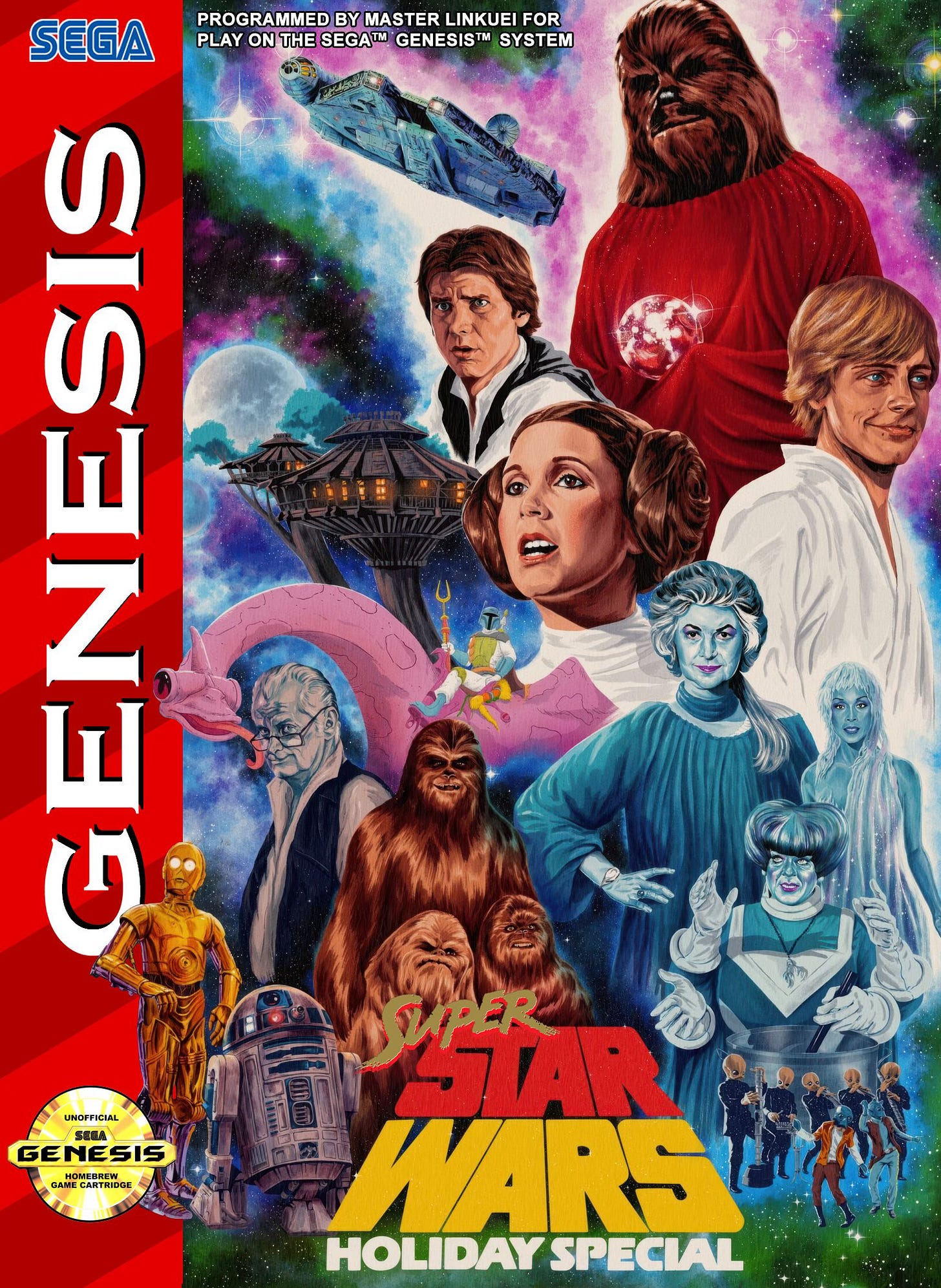
This week’s newsletter has 37 stories—including a Sega Genesis/Megadrive “Star Wars Holiday Special” game, watching films on the Game Boy Colour, Gen Z’s retro love, and a lot more. Thanks for reading!
News

🥳 Experience the force of nostalgia with the “Star Wars Holiday Special” mod for Sega Mega Drive/Genesis, adding a festive twist to your retro gaming. [RetroShell] Link

So bad it’s good.

🎮 Columbus Circle reveals the 8-Bit Compact HD, a modern 720p Famicom console designed to honour retro gaming in style. [RetroShell] Link

😂 Nintendo gives the NES a glow-up—officially rebranding it as “Regular Nintendo” after 39 years of memes. [Hard Drive] Link

📅 Celebrate gaming history with Fabli’s 2025 Retro Gaming Calendar (🇯🇵), packed with iconic dates and imagery to relive the classics. [RetroShell] Link

🖥️ Another N64 gem joins the PC world as dedicated fans bring a beloved classic to life with a new port. [VideoGamesChronicle] Link

🦊 Star Fox creator praises fans for porting Star Fox 64 to PC, even though it’s likely to draw Nintendo’s ire. [Automaton Media] Link

📺 Watch movies on your Game Boy using a creative link cable hack—because why not? [Hackaday] Link

🎄 SuperSega claims Sega approves its FPGA console—just in time for Christmas cheer! [Time Extension] Link

🎵 The Super Mario 64 soundtrack is now streaming via Nintendo Music—featuring all your favourite tunes from Peach’s Castle. [Nintendo Life] Link

🕹️ A passionate Sega fan has crafted a Final Fight MD console, blending creativity with retro fandom. [Time Extension] Link

🚫 Sega confirms no more mini consoles, exploring bold new ventures in retro gaming’s future. [GeekSided] Link

🤔 Sega confesses it’s unsure how many games it actually owns—some mysteries may remain forever unsolved. [Time Extension] Link

📦 Could Sega’s own game subscription service be on the horizon? Early hints point to a retro-inspired future. [Passionate Geekz] Link

🚀 “Sonic Robo Blast 3D 32X” brings a new dimension to the Sega 32X, with vibrant visuals and fast-paced gameplay. [RetroShell] Link

Features

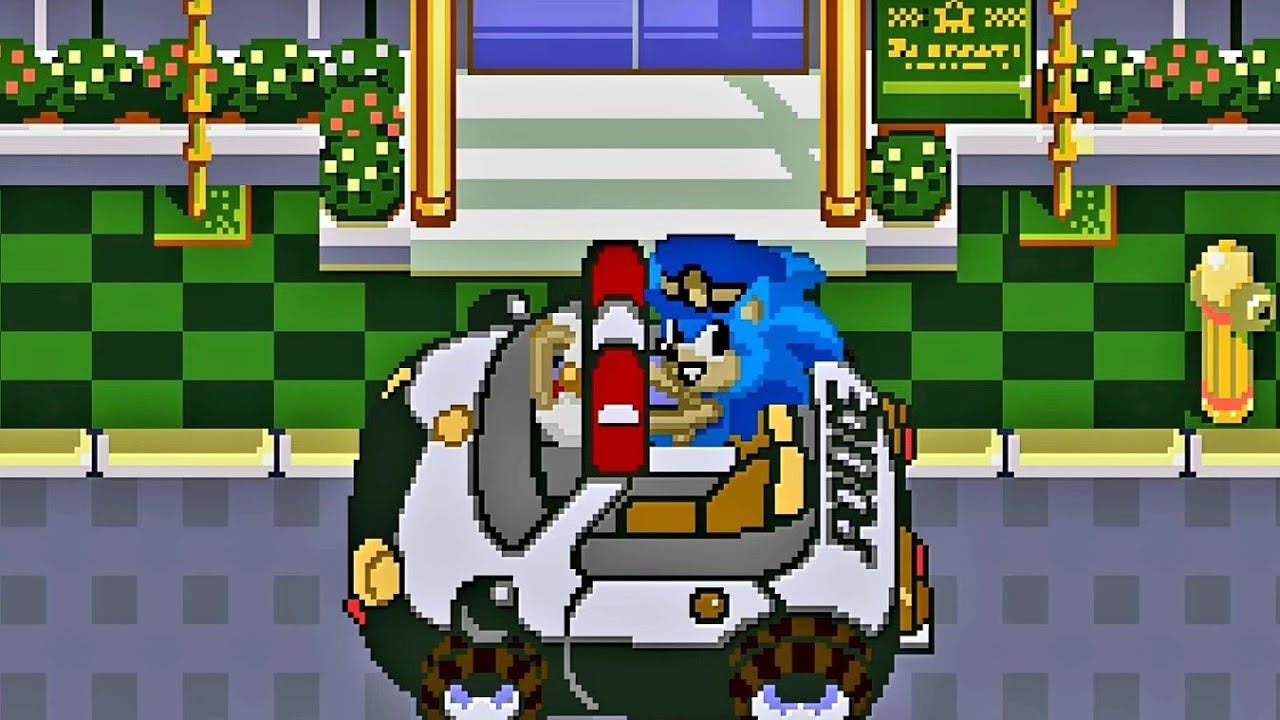
🥌 Discover Japan’s hidden Sonic games, a treasure trove of forgotten adventures, and uncover what made these titles special and elusive. [RetroShell]  Link

What’s the difference between a hedgehog and a police car? (Bad joke, google it)

📟 Witness Doom Eternal running on a Game Boy Color screen powered by a Raspberry Pi Pico in an incredible retro tech feat. [XDA Developers] Link

🪐 Dive into the rise and fall of Sega during the Saturn era, an odyssey marked by innovation, ambition, and bittersweet legacy. [RetroShell] Link

🎮 Do you really need to play the Virtual Boy? A humorous exploration of Nintendo’s most infamous console. [Nintendo Life] Link

🚀 Uncover Metroid Origins and the birth of Samus Aran, revealing the start of an iconic saga that defined generations. [RetroShell] Link

📺 Is this the ultimate CRT? A love letter to retro displays for enthusiasts who demand authenticity in gaming. [RetroShell] Link

🌟 Take a deep dive into overlooked video games, rediscovering hidden gems that are still worth playing today. [RetroShell] Link

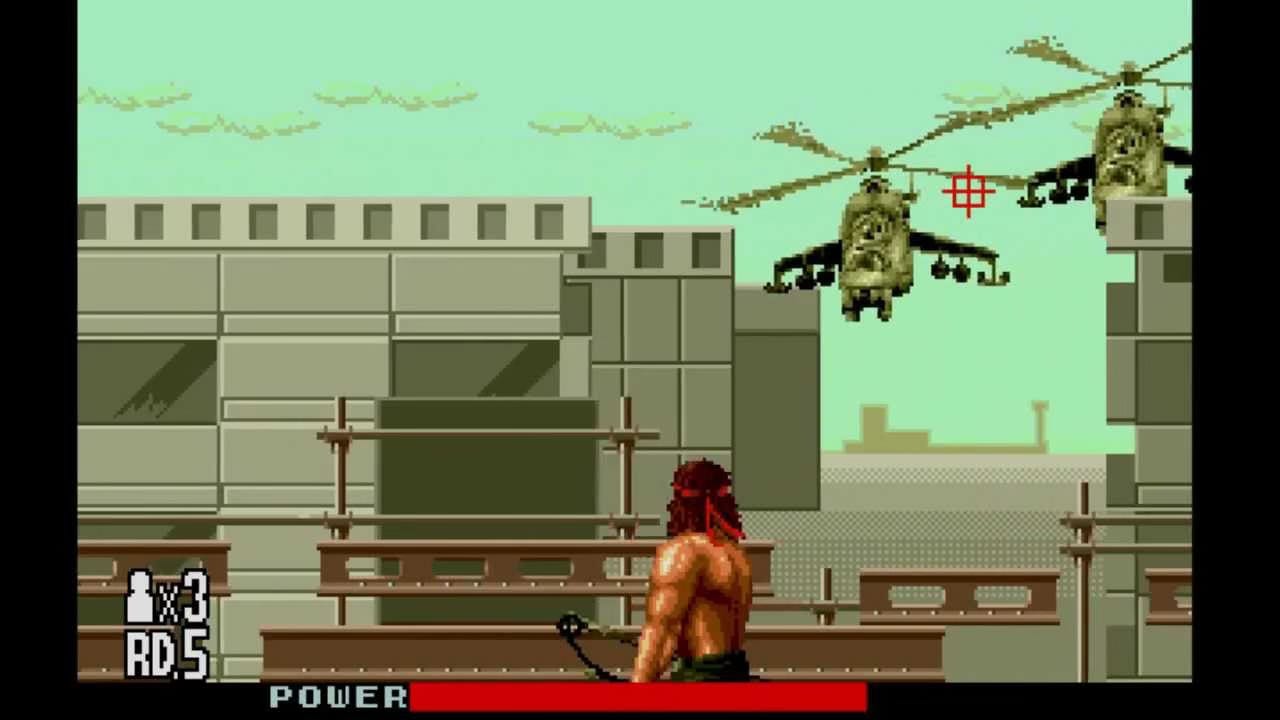
There is one man who can solve this New Jersey drone problem.

🪱 Explore the untold story of Worms, where a simple idea revolutionised gaming with explosive results. [RetroShell] Link

🕹️ Miyamoto shares his son’s “frustrating experience” playtesting Super Mario 64, revealing valuable lessons in game design. [GameReactor] Link

📂 Go behind the scenes of game preservation with Square Enix, Capcom, Taito, and Sega, safeguarding retro gaming history. [RetroShell] Link

📈 Retro gaming sees a massive resurgence among Generation Z, with 70% showing interest in classic titles. [RetroShell] Link

🔮 Discover how the Zelda CD-i games inspire Arzette: The Jewel of Faramore, a spiritual successor for fans. [CBR] Link

🎮 Track the evolution of game controllers from A-B simplicity to X-Y complexity, celebrating decades of innovation. [RetroShell] Link

🎴 Relive the magic of the Super Game Boy, bringing Game Boy games to the SNES, complete with hidden secrets. [RetroShell] Link

Lists & Rankings

🎮Discover the best games exclusive to the Nintendo 64, ranked from fan favourites to hidden gems. [Game Rant] Link

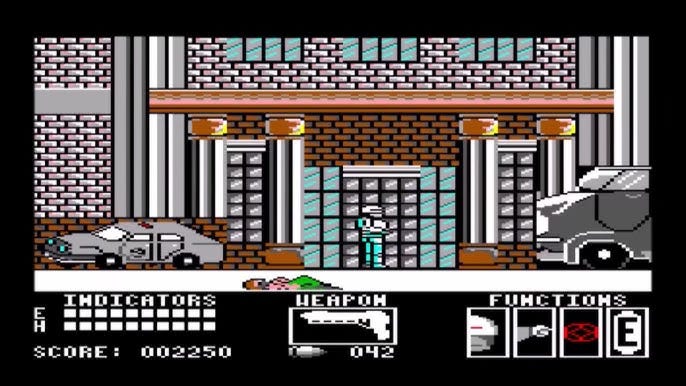
🤖Ranking Robocop video game ports from the downright awful to the surprisingly awesome—don’t miss our breakdown![RetroShell] Link

Kind of hard to see with the urban camo.

🎂These early SNES classics still hold up today—proof that age is just a number in gaming! [CBR] Link
🤑From rare Pokémon cards to priceless collectables, dive into the world of Pokémon treasures that are worth a fortune. [The Gamer] Link

🛡️Relive the best Link moments across The Legend of Zelda franchise, ranked for their impact and nostalgia. [CBR] Link

🌟Take a deep dive into overlooked video game hidden gems—discover titles you might have missed but shouldn’t! [RetroShell] Link

📣Explore the most unforgettable video game marketing campaigns that redefined how we see games. [The Gamer] Link

🕹️A look at the best Game Boy games of each year—relive the iconic handheld’s golden moments. [The Gamer] Link

Over Horizon: The Arcade Game – A Streamlined and Authentic NES Experience

Retro gaming enthusiasts have a new treat to explore with Over Horizon: The Arcade Game, a ROM hack that reimagines the NES classic Over Horizon as a streamlined, arcade-style shooter. Developed by Denny and technically executed by kandowontu, this hack offers a reinterpreted version of the original game with a focus on faster pacing, simplified mechanics, and an authentic arcade feel.

What’s New?

Denny’s vision for the hack was to create a fictional “arcade original” version of Over Horizon, as if the NES game had been a direct port of a hypothetical arcade release. To achieve this, several changes were made:

Stage Adjustments:
Stage 5, deemed overly long and frustrating, was removed entirely.
Stage 6 was heavily streamlined by cutting non-essential screens, sub-bosses, and backward teleporters to maintain a fast-paced arcade flow.
Only the most engaging segments of the final level remain, including the climactic boss battle.
Gameplay Tweaks:
The Edit Mode was removed to align with the arcade aesthetic, where ship configurations remain fixed throughout gameplay.
Speed selection was eliminated, as it was deemed cumbersome and unnecessary. Players now enjoy a simplified control scheme that emphasizes action over micromanagement.
Ending Changes:
The post-credit scene, which featured an alien baby teasing a sequel, was removed to provide a more definitive conclusion, in line with arcade game design.

Preserving the Arcade Feel

The hack’s adjustments ensure a more digestible and action-packed experience, akin to what players expect from arcade shooters. By cutting redundant or overly complex features, Denny and kandowontu crafted a game that balances challenge and enjoyment without sacrificing its retro charm.

This ROM hack not only serves as a tribute to the original Over Horizon but also demonstrates the creativity and dedication of the ROM hacking community. For NES enthusiasts, it’s a must-try that breathes new life into a beloved classic.

Preserving the Arcade Feel

The hack’s adjustments ensure a more digestible and action-packed experience, akin to what players expect from arcade shooters. By cutting redundant or overly complex features, Denny and kandowontu crafted a game that balances challenge and enjoyment without sacrificing its retro charm.

This ROM hack not only serves as a tribute to the original Over Horizon but also demonstrates the creativity and dedication of the ROM hacking community. For NES enthusiasts, it’s a must-try that breathes new life into a beloved classic.

If you are an NES game collector, be sure to check out RetroShell’s range of NES game protectors.

Link

Developer Shares Street Fighter IV Demo for Sega Mega Drive / Genesis

In a surprising homage to both classic gaming and modern fighting franchises, an indie developer, known on X as @RheoGamer, has managed to create a demo version of “Street Fighter IV” for the Sega Mega Drive. This remarkable feat combines the beloved mechanics and characters of the 2008 Street Fighter game with the nostalgic 16-bit graphics of the early ’90s console. The demo, which showcases characters like Ryu, Ken, and Chun-Li in a simplified but recognizable form, has sparked excitement across the gaming community, particularly among those with a fondness for retro gaming.

The developer utilized the SGDK (Sega Genesis Development Kit) to bring this project to life, demonstrating not only a deep understanding of the original game’s mechanics but also an impressive capability to adapt them to the significantly more limited hardware of the Mega Drive. This development has been shared widely on X, where it has received praise for its authenticity in translating the feel of Street Fighter IV into a format that many thought impossible. Fans have been sharing clips and screenshots, marvelling at how close the experience feels to the arcade original, despite the hardware constraints.

While no official release is announced, the demo has ignited conversations about the potential for more such projects, bridging the gap between modern gaming and retro hardware. This has also led to debates on the feasibility and desirability of porting other modern games to classic systems, highlighting the ongoing passion for retro gaming and the creative possibilities within the indie development scene. The project serves as a testament to the enduring appeal of Street Fighter and the innovative spirit of the gaming community.

If you are looking for the words best display protectors for the Sega Megadrive / Genesis, be sure to check out RetroShell.

Source

Fan-Made GTA III Port for the Sega Dreamcast is Here!

A dedicated fan has brought the iconic Grand Theft Auto III to the Sega Dreamcast, which is a thrilling development for retro gaming enthusiasts. This console missed out on this groundbreaking title back in the day. The fan-made port, recently showcased online, offers Dreamcast players a chance to experience the open-world freedom and chaotic adventures of Liberty City on their beloved console.

The project, spearheaded by an individual passionate about both the Dreamcast and the GTA series, demonstrates not only the enduring love for these gaming classics but also the remarkable capabilities of the Dreamcast hardware. This port isn’t just a simple emulation; it’s been adapted to make use of the Dreamcast’s unique features, including its VMU for saving game progress, offering a truly authentic experience.

The fan behind this ambitious project has shared insights into the development process, highlighting the challenges of porting a modern game to a system from the early 2000s. From texture compression to frame rate optimizations, the journey to get GTA III running smoothly on the Dreamcast has been both a technical marvel and a labour of love.

For fans of retro gaming, this port represents more than just another game to add to their collection; it’s a celebration of what could have been and a testament to the community’s creativity and dedication. While this port is still in its early stages and not officially endorsed by Rockstar Games, it serves as a beacon for what fan projects can achieve, potentially inspiring more developers to revisit and reimagine classics for older platforms.

The community response has been overwhelmingly positive, with many expressing their excitement over social media and forums, sharing gameplay footage, and discussing the implications of such fan-made projects for the preservation of gaming history.

Source