A reddit user u/TescoAlfresco has modified a GBA to be a speedometer for his car, which has lead to a deeper discussion on other Game Boy uses.
This trend is not limited to the Game Boy Advance. Modders have also utilized the Game Boy Color for similar projects. For instance, a detailed guide on The Autopian outlines the process of converting a Game Boy Color into a digital speedometer. The tutorial provides step-by-step instructions, from selecting the appropriate GPS speedometer module to modifying the Game Boy shell and installing the necessary components. The result is a fully functional speedometer housed within the classic handheld console, offering both practicality and a touch of nostalgia for drivers.
Credit: Autopain
Interestingly, the concept of using Game Boy hardware for automotive purposes isn’t entirely new. Back in 2004, TurboXS introduced the DTEC (Dynamic Tuning and Engine Control) system, which repurposed the Game Boy Advance as a digital engine management tool. As reported by IGN, the DTEC allowed users to monitor various engine parameters, such as boost pressure, air-to-fuel ratios, and RPMs, through the Game Boy Advance’s screen.
Credit: IGN
This commercial product was a groundbreaking application of gaming hardware, demonstrating the potential for the Game Boy Advance to serve as more than a gaming console. The DTEC system is connected directly to a car’s onboard diagnostics (OBD) system, providing an interactive and customizable interface for car enthusiasts and tuners. While its focus was on performance tuning rather than basic functionality like a speedometer, the DTEC showcased the versatility of Nintendo’s handheld devices.
Protect your games, and preserve the nostalgia. RetroShell™ is trusted by collectors—join our newsletter for retro gaming updates.
When the Nintendo Game Boy launched in 1989, it wasn’t met with the universal acclaim you might expect. Critics weren’t kind. The hardware was deemed underpowered, the screen had no backlight, and its graphics were simplistic, even for the time. And yet, the Game Boy didn’t just survive; it thrived. It became one of the most iconic gaming devices in history, selling over 118 million units worldwide and kickstarting franchises that are still beloved today.
What made the Game Boy a success wasn’t technological superiority but a deliberate strategy. By focusing on affordability, portability, and battery efficiency, Nintendo created a console that could reach the masses. And behind the Game Boy’s success lay brilliant engineering decisions that made the most of its limited capabilities. This is the story of how compromises became the cornerstone of its triumph.
Designing for the Masses
From the start, Nintendo’s goal was clear: make the Game Boy affordable and accessible. The system needed to be portable, lightweight, and easy to use. At just under 15 cm in height, 3 cm thick, and weighing 220 grams, the Game Boy was designed to be carried anywhere. Its size and weight were revolutionary compared to its bulkier competitors.
The design borrowed heavily from the Nintendo Entertainment System (NES). Its button layout was simple and familiar: a directional pad, two action buttons, and start/select buttons. By keeping the controls straightforward, Nintendo ensured that the Game Boy was intuitive for both seasoned players and newcomers.
Credit iFixIt
The Battery Dilemma
One of the most significant challenges for portable devices in the late 80s was battery technology. Alkaline batteries were large, expensive, and non-rechargeable. Nintendo’s engineers knew that battery life would make or break the Game Boy.
While its main competitor, the Sega Game Gear, required six AA batteries for just three hours of gameplay, the Game Boy used only four and could run for up to 30 hours. This wasn’t just a technical achievement—it was a consumer-friendly decision. For every hour of playtime, the Game Boy cost about 16 cents in batteries, compared to the Game Gear’s $2.30. This difference made the Game Boy far more appealing to budget-conscious families.
A Screen That Almost Killed the Project
The Game Boy’s monochrome screen is iconic today, but it was a controversial choice at the time. Unlike the Game Gear’s colour LCD, the Game Boy’s display was limited to four shades of green and had no backlight, making it nearly unusable in low light. But these limitations were intentional. Colour screens consumed far more power, and Nintendo prioritized battery efficiency over visual fidelity.
However, even this low-power screen presented challenges. Early prototypes used liquid crystals that twisted 90 degrees, but the resulting contrast was poor. Pixels blurred into each other, creating an unreadable mess. When Nintendo President Hiroshi Yamauchi tested a prototype, he cancelled the project outright.
The breakthrough came with SHARP’s Supertwisted Nematic (STN) LCD screens, which used crystals twisted between 180 and 270 degrees. These screens offered a sharper transition between on and off states, dramatically improving contrast and clarity. The “green” hue of the Game Boy screen was a byproduct of the polarizing filters used in these displays.
Ingeniously, the Game Boy created its four shades of green not by using different voltage levels but by pulsing pixels on and off at varying speeds. Faster pulses created darker shades, while slower pulses produced lighter tones. This technique, known as pulse-width modulation, remains in use today in LED brightness control.
The Magic of Limited Memory
The Game Boy’s 8-bit CPU had access to just 64 kilobytes of memory—less than the size of a single frame of a modern HD video. To create games like Super Mario Land, developers had to stretch this tiny resource to its absolute limits.
The system divided its memory between the console and the game cartridge. Clever engineering allowed the Game Boy to use tiles—small 8×8 pixel graphics blocks—to construct larger images. Instead of addressing each of the screen’s 23,040 pixels individually, games were built using a combination of static backgrounds and movable sprites. This method conserved memory while enabling smooth scrolling and animations.
For example, in Super Mario Land 2, the background was assembled from a grid of tiles, while characters like Mario were made from multiple 8×8 sprites. By moving the viewing window across the background, the illusion of movement was created. Programmers even used mid-frame pauses to adjust the viewing window dynamically, enabling effects like the curved roads in racing games or the cinematic intros in titles like The Legend of Zelda: Link’s Awakening.
Audio Simplicity, Iconic Results
The Game Boy’s audio system was just as minimalistic as its graphics. It featured a single speaker and four sound channels: two for square wave tones, one for white noise (used for percussion), and one for custom waveforms stored in the cartridge. Despite these constraints, composers created some of the most memorable music in gaming history.
The intro to Pokémon games, with its catchy melody and simple beats, exemplifies this. By layering square waves, adding a custom waveform, and using white noise for percussion, developers created tracks that remain etched in gamers’ minds.
Security and Tradition
Every licensed Game Boy cartridge included a hard-coded set of data that the console checked during boot-up. This was a security feature to prevent unlicensed games, but it also gave rise to an unexpected ritual: blowing on cartridges.
If the console couldn’t verify the data due to dust or a faulty connection, it wouldn’t start. Players around the world discovered that a quick blow on the cartridge pins often resolved the issue. This shared experience became a hallmark of Game Boy ownership, transcending borders and languages.
Credit HackaDay
Memory Banking: The Pokémon Revolution
One of the most remarkable feats of Game Boy engineering was memory banking. While the console could only read 32 KB of data at a time, games like Pokémon Red/Blue required far more storage—up to 373 KB. Developers solved this by dividing the data into “banks” and dynamically switching between them.
When a player opened the Pokédex, for instance, the system accessed the memory bank containing Pokémon descriptions. Entering a PokéMart loaded a different bank with item prices. This seamless switching allowed Pokémon to offer a sprawling world on a system with extremely limited hardware.
Affordability Meets Accessibility
At launch, the Game Boy cost $89—significantly less than its competitors. Combined with its long battery life and robust library of games, it became the go-to console for millions of players. For many, it was their first gaming experience, introducing them to franchises like Tetris, Pokémon, and Super Mario.
Nintendo’s focus on accessibility defined the company’s philosophy. While competitors chased cutting-edge hardware, Nintendo prioritized fun and usability. This ethos continued with later devices like the Wii, which brought motion controls to mainstream audiences, and the Switch, a hybrid console that lets players game on the go or at home.
A Legacy of Innovation
The Game Boy wasn’t just a product; it was a cultural phenomenon. Its simple design and clever engineering inspired generations of gamers and developers. Decades later, the device remains a symbol of ingenuity—a reminder that limitations can spark creativity.
Today, gaming consoles are complex, internet-connected devices that gather data and require constant updates. The Game Boy, with its physical cartridges and link cables, feels like a relic from a simpler time. Yet, its impact is undeniable. It shaped the gaming industry and created memories that endure to this day.
So, next time you hear the cheerful beeps of a Game Boy startup or hum the theme to Pokémon Red, remember the genius behind that green-tinted screen. It’s more than nostalgia—it’s a celebration of one of gaming’s greatest achievements.
Subscribe to our Monday retro gaming digest and discover why serious collectors choose RetroShell™ for their prized games.
February 1990 – A pivotal month in gaming history. Nintendo of America was about to launch what would become one of the most iconic titles in video game history: Super Mario Bros. 3. The excitement was palpable. A game that had already been a sensation in Japan was finally arriving on North American shores. And it wasn’t just a sequel – it was a statement.
Even without the internet, the buzz around Super Mario Bros. 3 had crossed oceans. Magazines were ablaze with previews. A Hollywood movie, The Wizard, showcased its gameplay, introducing millions of kids to a game they’d soon beg their parents to buy. Some shops even sold bootleg copies, a testament to the hunger for Mario’s next adventure.
The Wizard poster
But why did this game matter so much? It wasn’t just another Mario title; it was proof that Nintendo was more than a fad. It solidified Mario as the undisputed king of video games and cemented Nintendo’s dominance during a time when competitors like Sega and NEC were itching to dethrone them.
The Creation of a Masterpiece
Behind the magic of Super Mario Bros. 3 was a team of visionaries led by Shigeru Miyamoto. By the late 1980s, Miyamoto had already redefined gaming with titles like The Legend of Zelda and Super Mario Bros., but he wasn’t ready to rest. This time, he wanted to craft the ultimate Mario experience – a game that would push the limits of the NES and introduce innovations never seen before.
The development team, known as Research & Development 4 (R&D4), was a mix of veterans and fresh talent. With their combined genius, they created a game packed with new mechanics like diagonal scrolling, flight, and themed worlds. The graphics? Bright, colourful, and whimsical. Every detail felt alive, from dancing trees to mischievous enemies like Boos and Chain Chomps.
A fresh-faced Miyamoto in his 30’s working on SMB3
A Whole New Mario World
Gone were the linear levels of the past. Super Mario Bros. 3 introduced the overworld map, letting players choose their path. This added depth to the gameplay, making every playthrough feel unique. And the power-ups? Legendary. The raccoon suit gave Mario the ability to fly, while the frog and hammer suits added entirely new dimensions to the game.
Every element of the game had a purpose. The music, composed by Koji Kondo, was a genre-blending masterpiece that perfectly complemented the gameplay. From its upbeat reggae influences to its iconic jingles, the soundtrack remains unforgettable.
The Marketing Juggernaut
Nintendo didn’t just release Super Mario Bros. 3 – they turned it into an event. The marketing campaign was colossal, costing $25 million. Commercials dominated TV screens. McDonald’s sold Mario-themed Happy Meals. Even The Wizard, a movie many dismissed as a Nintendo commercial, helped fuel the hype.
When the game finally launched in North America in February 1990, it was chaos. Stores couldn’t keep up with demand. Within two days, 250,000 copies were sold. By the end of the year, Nintendo had sold over eight million units in North America alone.
I still remember this advert.
A Legacy That Endures
Super Mario Bros. 3 wasn’t just a game; it was a cultural phenomenon. It proved that video games could be sprawling adventures filled with secrets, challenges, and joy. Its influence stretched far beyond Nintendo, inspiring competitors like Sega to create their flagship franchises (hello, Sonic the Hedgehog!).
Even decades later, Super Mario Bros. 3 remains a beloved classic. It’s a game that defined a generation and continues to be a touchstone for gamers worldwide. Whether you grew up with it or discovered it later, one thing is certain: Mario’s third adventure is a testament to what video games can achieve.
If you are a retro gaming fan, sign up for our weekly free newsletter for all the latest news delivered to your inbox each Monday, and if you collect NES/SNES games, be sure to protect these treasures with our range of the worlds finest game display protectors.
Reddit is a great platform for bringing people together under a common topic, whether it is news, gaming or bizarrely specific subreddits (r/birdswitharms anyone…?) – it really does have something for every interest. It can also be a great source of news and insights for the retro gaming community. Sadly, the days of the traditional bulletin boards are dying, and Reddit seems to be the place to be to find the meta of all BBs in one place.
So, let’s have a look at the biggest retro gaming communities in the world of Reddit, as ranked by member numbers, plus the hottest post of all time for each. For the record, I am only considering up to generation 5 for this list.
Before we begin, if you are a fan of retro gaming – I implore you to check out our free weekly retro gaming newsletter, delivered to your inbox every Monday and packed with all of the latest retro gaming news.
Some might call this the console that started putting gaming into the mainstream, others might blame it on the video game crash of 1983. Whatever it means to you, it is a crucial part of gaming history and stakes a big claim for igniting the mainstream of video games. Coming in at 12k subs at the time of writing, it squeezes into the top 10. If you collect Atari 2600 games, then check out our RetroShell cases, which are the finest protection you can get. And here is its top post ever.
A bold attempt by SEGA to leap into the future of gaming, the SEGA CD (or Mega-CD as us Europeans know it as) added CD-ROM capabilities to the Genesis (Megadrive), bringing full-motion video (FMV) and enhanced audio to the forefront. While it didn’t see massive success, it’s still remembered fondly for cult classics like Sonic CD and Night Trap. At 12k subs, it ties with its retro sibling, the Neo Geo, and makes the top 10 by a thread. And here’s its top post ever.
The Neo Geo was the ultimate arcade experience at home, famous for its jaw-dropping price and unmatched graphical fidelity for its time. Known for timeless fighting games like Samurai Shodown and King of Fighters, it’s a dream machine for retro enthusiasts. Its community of 12k members holds strong, celebrating this powerhouse console. And here’s its top post ever.
The Sega Saturn, a misunderstood gem of the 32-bit era, struggled against stiff competition but delivered a library of innovative and experimental games like Nights into Dreams and Panzer Dragoon Saga. With 35k subs, the Saturn fanbase continues to champion its unique place in gaming history. Here you have its top post.
The Sega Genesis (or Mega Drive for some) was Sega’s bold challenge to Nintendo’s dominance, delivering classics like Sonic the Hedgehog and Streets of Rage. Its legendary “blast processing” marketing and edgy attitude cemented its legacy. At 48k subs, it comfortably secures a spot in the retro console pantheon – if we include the r/Megadrive which has 9.6k then you have 57.4k members. Here is the top post.
Sony’s PlayStation (PSX) broke new ground in gaming with its embrace of 3D graphics, a massive game library, and unforgettable titles like Final Fantasy VII and Metal Gear Solid. At 105k subs, the PSX community proves that this revolutionary console still holds a special place in gamers’ hearts. And here’s its top post ever.
The Nintendo Entertainment System (NES) revived the gaming industry after the crash of 1983, introducing iconic franchises like Super Mario Bros. and The Legend of Zelda. With 108k subs, it remains a cornerstone of retro gaming nostalgia. If you are a NES game collector, we have a RetroShell to help you keep your treasures in the best condition. And here’s its top post ever, with an amazing title.
The Super Nintendo Entertainment System (SNES) took 16-bit gaming to new heights with unforgettable masterpieces like Super Metroid and Chrono Trigger. At 154k subs, the SNES fanbase is as vibrant as ever, celebrating the pinnacle of 2D gaming. If you have some SNES games, we have a RetroShell to help you keep it preserved in style. Want to know the top post, we have this amazing collection.
The Nintendo 64 brought 3D gaming to the masses with groundbreaking titles like Super Mario 64 and The Legend of Zelda: Ocarina of Time. At 205k subs, it’s clear this console still holds a massive place in gamers’ hearts. Guess what, we also have a RetroShell for this gaming legend. Want to know the top post, we have this amazing collection.
The Game Boy redefined gaming on the go with its incredible portability and a library led by Tetris and Pokémon Red and Blue. At a staggering 227k subs, it sits proudly atop the list, proving its enduring appeal among retro gaming fans (RetroShell coming very soon). Here is the top post, and it’s a mighty fine achievement (but now do this with boxes 😂).
So there you have it, the OG Game Boy tops the chart, not really a surprise given its amazing catalogue and lifespan (and also I guess it is a catchall for multiple systems). Thanks very much for reading, if you love retro news, you can also follow us on X, or join the r/Retroshell sub.
The game console that pretty much built an industry, the “Nintendo Entertainment System” or simply the NES as it is more commonly called – was released in the USA in October 1985 (however existed as the Famicom in Japan since July 1983). The gaming industry was pretty much dead on its feet after the video game crash of the early 80s, but through a combination of quality games and better hardware, the NES almost singlehandedly revived and built the gaming industry we know and love today.
As we enter 2025, the scene for the NES has never been more vibrant with a long list of new games being developed alongside console modding and accessories being widely available, so let’s have a look at some of the top products related to this icon.
10. NES Cartridge holder
Starting with something more functional rather than exciting, but if you are lucky enough to own a collection of original NES cartridges, then you probably would like to play them, or at least store them in a way which will make them easier to access. So here we have the simple, but effective cartridge holder, which is an easy way to store your cartridges.
We all know the drill – game does not load – blow on the cartridge. Right? WRONG! By blowing on the terminal, it can make things worse as you blow condensation which can corrode the connectors. So, how do you protect your treasures to make sure that they can continue to serve you long into the future? Well, 1Up is here with a solution for cleaning your carts.
We all know the drill – game does not load – blow on the cartridge. Right? WRONG! By blowing on the terminal, it can make things worse as you blow condensation which can corrode the connectors. So, how do you protect your treasures to make sure that they can continue to serve you long into the future? Well, 1Up is here with a solution for cleaning your carts.
You have an original NES, you have a modern TV, sadly these two do not go well together. For the original experience, you need a CRT (or a very expensive adaptor) – which can often cost you more than the console itself, and you need the space for a CRT (check out this beast). But what if perfection was not critical? You are in luck, there a number of simple adaptors that will do a job and connect your console to a modern television.
I love Limited Run Games, they have done a great job of creating new games for this classic console. The latest release they are working on is Snow Bros. To quote them “Evil King Scorch has kidnapped the shimmering Frost Princesses, and is about to take over Snow Land. He’s trapped the Snow Brothers, Nick and Tom, in an ice-house full of freezing baddies. The two cool crusaders sling a slug of snow at their captors to chill them out. But to escape, they’ve got to ice the Abominable Snow Boss!” They are also offering a deluxe edition with an ice themed cartridge, soundtrack and poster for $89.99. Due September 2025 with pre orders closing 26th January ’25.
The NES original controllers are amazing, from their best in class D pad to the very square shape, they are an icon in the world of gaming. One thing they did not forsee in the 80’s was the explosion of TV sizes, and the cables that come with the original controllers are not long enough when you are enjoying your games on the big screen, unless you want to get square eyes. So, I highly recommend getting some extensions for the original cables so that you can enjoy the original experience at a more enjoyable distance.
A quick note from our sponsor… We produce a free, weekly roundup of all of the retro gaming news in the past 7 days. If you love retro, you will probably like this newsletter delivered straight to your inbox each week on a Monday.
So you have decided that you want wireless for your original console, and maybe the ability to use this controller with another bluetooth device. Retro-Bit have got you covered with their modern take on the retro controllers. The reviews are not great, only 3.8 stars at the time of writing, with some peoiple saying the dongle does not fit and there are some pairing issues – but the versitility of this product probably makes it worth a risk as you can use it as a spare, either for the NES or other gaming systems.
You have a fully boxed, mint condition NES game. They are not making any more of these pieces of history and Nintendo decided that a cardboard box was going to be sufficient to protect this gaming treasure. Well, sadly 30 years of wear and tear is hard on these boxes and few are surviving without some scars from years of use, or being sat in a dusty cupboard. The prices of games will not be going down any time soon, and the better condition, the more it is worth. In steps RetroShell with their premium game display protectors. Offering best in class protection and an trap door for easy accss, this will protect your collection for many years to come ensuring that your investment and collection is in the best hands.
3. Mega Man X – 30th Anniversary Classic Cartridge
Another new cartridge for a legacy system – this time the iconic Mega Man X. I am 8 bit still has some stock of their 30th Anniversary Mega Man X available. Thes are limited to 8,500 units and are fully playable. Plus, if you are lucky, you will get a glow-in-the-dark blue edition of the cartridge.
Bitmap books make wonderful products, all very high quality “coffee table” books which are both beautiful and insightful. The compendium covers 170 classic games across the NES and Famicom over a monstwer 512 pages, covering things such as unreleased games and fan art.
There are a plethora of gaming tshirts available, so it is hard to pick a favourite. Not every t-shirt can be exclusive or limited edition like the numbered Player Clothing tees, so I have gone with a classic. 100% cotton, with some excellent reviews, I give you this NES classic to round of the list.
In the annals of gaming history, Nintendo’s Famicom Disk System (FDS) stands as a beacon of innovation, nostalgia, and curiosity. Released in February 1986, this peripheral to the Famicom (the Japanese NES) introduced a host of features that were groundbreaking at the time. From save functionality to enhanced audio capabilities, the FDS was a remarkable experiment. However, what truly sets it apart is its role in shaping the Mario franchise, offering exclusive titles and experiences that many Western gamers missed.
The Famicom Disk System: A Revolutionary Leap
The FDS was a bold step forward for Nintendo. It utilised Quick Disk format technology, allowing games to be stored on rewritable disks, each boasting a 128K storage capacity (56K per side). This format made games cheaper to produce and offered players the ability to save their progress—a rarity in mid-1980s gaming. The system also enhanced the Famicom’s audio capabilities, enabling richer and more complex soundtracks that gave games a more immersive quality.
But the FDS wasn’t just about technology—it was about strategy. Nintendo envisioned it as the primary platform for their first-party titles, and between November 1985 and November 1987, they committed exclusively to developing games for the FDS in Japan. Early success seemed to affirm their plan: 300,000 units were sold in the first three months, and 2 million within a year.
Yet, the future had other plans. Advances in cartridge technology, particularly the advent of memory mappers, rendered the FDS obsolete by the late 1980s. Still, its brief life left an indelible mark, particularly in the realm of Mario.
Exclusive Mario Games That Defined the FDS
For fans of Mario, the FDS is a treasure trove of unique experiences. The system hosted several Mario titles, some exclusive and others enhanced versions of existing games. These titles not only pushed the boundaries of the franchise but also demonstrated Nintendo’s willingness to experiment.
All Night Nippon Super Mario Brothers
This quirky gem, released in 1986, epitomises the FDS’s experimental spirit. A collaboration between Nintendo and the Japanese late-night radio show All Night Nippon, this game is a reimagining of the original Super Mario Brothers. It features remixed levels from the original and the notoriously difficult Lost Levels, adorned with TV-themed elements and celebrity cameos. It’s a whimsical, distinctly Japanese iteration of Mario that remains a curiosity for collectors and fans alike.
Super Mario Brothers 2 (Lost Levels)
Known in Japan simply as Super Mario Brothers 2, this game was a FDS exclusive for years before reaching Western audiences as part of Super Mario All-Stars. It introduced a host of innovations, including:
• Poison Mushrooms: A devious twist on the familiar power-up mechanic, these would harm rather than help players.
• Character Differences: Luigi finally stepped out of Mario’s shadow with his higher jumps and slipperier controls, adding a layer of strategy.
• Environmental Challenges: From gusty winds to high-bouncing green trampolines, the game upped the difficulty and creativity.
This sequel’s brutal difficulty earned it the moniker “Lost Levels” in the West and cemented its place as a hardcore gamer’s badge of honour.
Original Super Mario Brothers
While the cartridge version of Super Mario Brothers is iconic, the FDS version included an intriguing distinction: a different Minus World. Unlike the endless underwater loop of the cartridge version, the FDS’s Minus World was a fully playable, albeit bizarre, series of levels that could actually be completed. This change offered players an added layer of mystery and replayability.
The FDS’s Role in Gaming Innovation
The FDS wasn’t just about Mario—it was a testing ground for ideas that would shape Nintendo’s future. Its most significant contributions include:
1. Game Saving: The ability to save progress paved the way for franchises like The Legend of Zelda, which debuted on the FDS before becoming a cartridge staple.
2. Enhanced Audio: The FDS’s additional sound channels allowed for richer, more atmospheric soundtracks that elevated the gaming experience.
3. Affordable Game Production: Quick Disks were cheaper to produce than cartridges, helping Nintendo maintain supply during a period of rapid growth.
These innovations underscored Nintendo’s forward-thinking approach, but the FDS’s reliance on disks also revealed limitations. Load times and durability issues with the disks themselves eventually led to its decline.
A Legacy That Lives On
Despite its relatively short lifespan, the FDS’s impact is undeniable. It played a crucial role in the early growth of Nintendo’s dominance in the gaming industry. For the Mario franchise, it was a space to experiment—testing mechanics, level designs, and ideas that would later become iconic.
Additionally, the FDS helped Nintendo navigate supply chain challenges during a period of explosive growth, proving invaluable as a stopgap measure before advances in cartridge technology took over. Features like game saving and enhanced audio would become standard in future consoles, a testament to the system’s forward-thinking design.
The Enduring Fascination with the FDS
Today, the FDS remains a cult favourite among retro gaming enthusiasts and collectors. Its unique library, innovative features, and place in gaming history make it an essential part of Nintendo’s story. Mario fans, in particular, owe a debt to the FDS for the quirky, challenging, and groundbreaking titles it brought to life. While the system itself may no longer be functional for most players, its legacy lives on in emulation, modern remakes, and the enduring charm of Mario.
If you are a FDS collector, and want the best game protectors for your Famicom Disk System games, check out RetroShell’s premium protectors.
When you talk about games that changed everything, Super Mario Bros. 3 sits right at the top of that list. Released in Japan in 1988, this masterpiece didn’t just improve on its predecessors – it completely revolutionized what we thought was possible in a platforming game.
The Development Journey
Early Beginnings Development kicked off in 1986, right after The Lost Levels hit the shelves in Japan. The team, led by the legendary duo of Shigeru Miyamoto and Takashi Tezuka, initially toyed with the idea of an isometric perspective. Thankfully, they stuck with the classic side-scrolling format we all know and love.
Hidden Secrets Here’s something fascinating – Miyamoto had originally sketched concept art of Mario riding another character, an idea that would later evolve into Yoshi in Super Mario World. That sketch hung on the wall throughout SMB3’s entire development, waiting five years before finally becoming reality.
Revolutionary Design Elements
The Stage Play Aesthetic Nintendo took an incredibly creative approach to the game’s visual presentation. The whole game was designed to look like a stage play, complete with rising curtains and levels that appeared to be bolted onto the backdrop. This wasn’t just a visual gimmick – it added a unique theatrical charm to the entire experience.
World Map Innovation The introduction of the overworld map was a game-changer. Instead of linear progression, players could now choose their path through each world, adding a strategic layer to the gameplay. This board game-style navigation would become a staple of the series and influence countless other games.
Gameplay Mechanics
Power-Up Revolution The game introduced some of the most creative power-ups in gaming history. The Tanooki Suit let Mario turn into an invincible statue, while the Frog Suit gave him superior underwater mobility. Each power-up wasn’t just a simple boost – it fundamentally changed how you could approach levels.
Level Design Mastery The attention to detail in level design was unprecedented. World 1-1 alone showcases brilliant teaching mechanics, introducing concepts like the Jump Blocks in a valley with a Paragoomba, naturally encouraging players to discover new mechanics through gameplay.
Technical Achievements
Push for Innovation The development team pushed the NES hardware to its limits. The game featured smooth animations, detailed sprites, and complex-level designs that seemed impossible on the system. Even the enemy movements were more sophisticated, with new behaviours and patterns that made each encounter unique.
Cultural Impact
Marketing Revolution Nintendo’s marketing strategy for SMB3 was revolutionary. The game made a spectacular appearance in the film “The Wizard,” essentially turning the movie into a 90-minute commercial that generated unprecedented hype. This marketing move would influence game promotions for years to come.
Sales Success The numbers tell an incredible story. Super Mario Bros. 3 sold a staggering 17 million copies worldwide, making it the third-best-selling NES game. In the United States alone, it generated $595 million by early 1992 – more than blockbuster films like E.T., Batman, and Jurassic Park.
Legacy and Influence
Critical Acclaim The game received near-universal praise from critics. Computer and Video Games magazine gave it a 98% score, with editor Paul Rand calling it “the Mona Lisa of gaming”. This wasn’t just hyperbole – the game’s influence can still be seen in platformers today.
Speedrunning Community The game’s precise controls and hidden glitches have made it a favourite among speedrunners[7]. Events like Games Done Quick regularly feature Super Mario Bros. 3 runs, showcasing just how deep the game’s mechanics go.
Modern Relevance
Continued Influence Even modern Mario games owe a debt to Super Mario Bros. 3. The recent success of Super Mario Bros. Wonder, which became the fastest-selling title in the franchise, builds upon many of the foundations laid by SMB3.
Lasting Appeal The game has been rereleased multiple times, from Super Mario All-Stars to the Nintendo Switch Online service. Each new generation discovers what made this game special, proving that truly great game design is timeless.
Technical Innovation
Prototype Development Early versions of the game showed significant differences from the final release. Screenshots from development reveal different level layouts, altered enemy placements, and even changes to core items like the Super Leaf, which was originally green instead of brown.
The Human Element
Team Dedication The game’s success wasn’t just about technical achievements. It was about a team of passionate developers working tirelessly to create something special. From Koji Kondo’s memorable soundtrack to the countless hours spent perfecting each level, every aspect showed incredible attention to detail.
Super Mario Bros. 3 remains a masterclass in game design, proving that innovation, attention to detail, and pure gaming joy never go out of style. It’s not just a great game – it’s a piece of gaming history that continues to influence and inspire decades after its release.
If you are lucky enough to own this gem in physical form for the NES or SNES then we recommend protecting it with a RetroShell – the finest protection for your games.
I hope that however you spent the Christmas time, it was enjoyable and filled with gaming goodness.
My week in gaming has been spent using my Chromatic, a beautiful console, playing Marvel Rivals (and Snap), and hacking my PS3 to load every guitar game from the PS2/PS3 era to relive the golden era of music games.
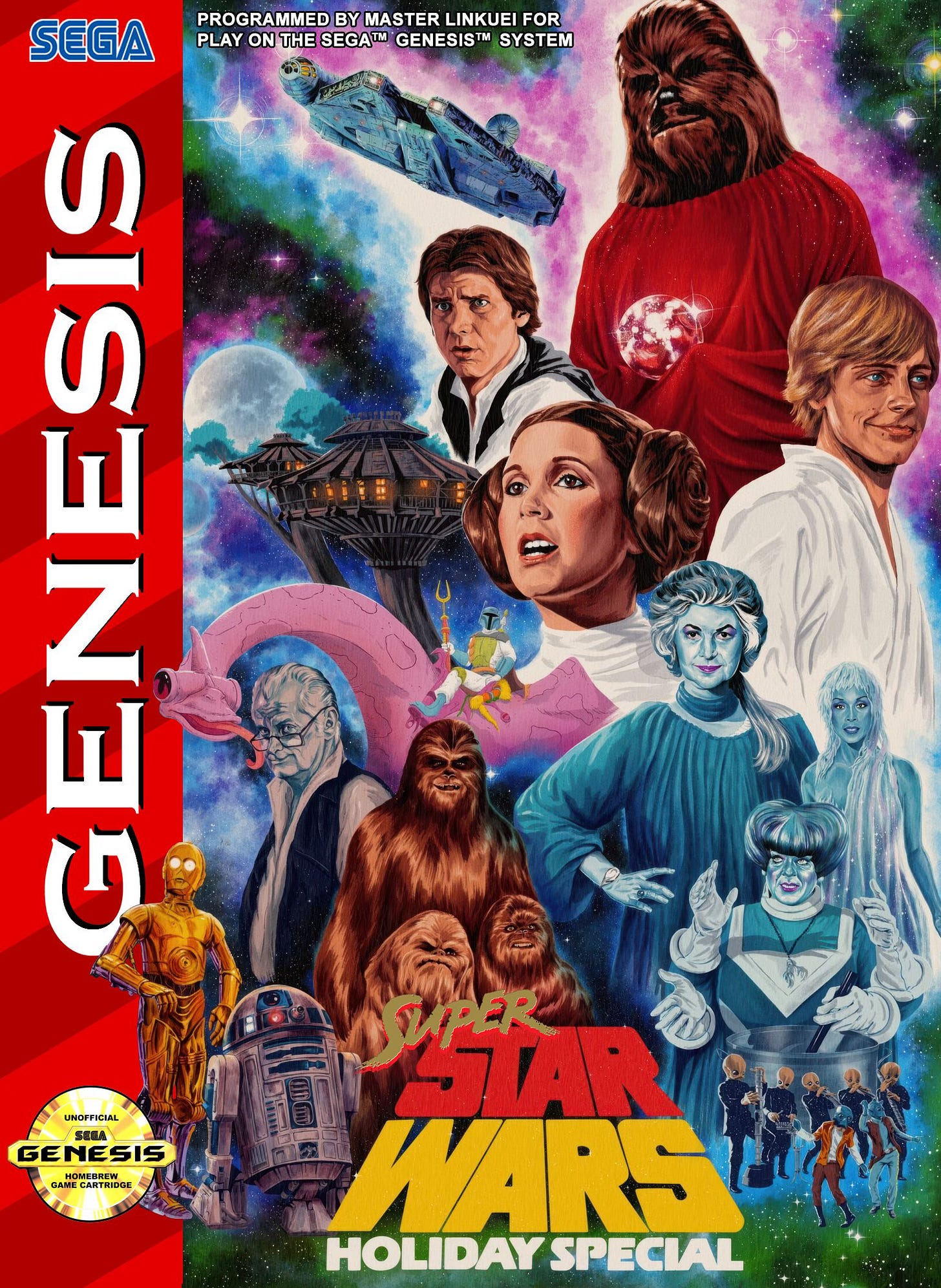
This week’s newsletter has 37 stories—including a Sega Genesis/Megadrive “Star Wars Holiday Special” game, watching films on the Game Boy Colour, Gen Z’s retro love, and a lot more. Thanks for reading!
News
🥳 Experience the force of nostalgia with the “Star Wars Holiday Special” mod for Sega Mega Drive/Genesis, adding a festive twist to your retro gaming. [RetroShell] Link
So bad it’s good.
🎮 Columbus Circle reveals the 8-Bit Compact HD, a modern 720p Famicom console designed to honour retro gaming in style. [RetroShell] Link
😂 Nintendo gives the NES a glow-up—officially rebranding it as “Regular Nintendo” after 39 years of memes. [Hard Drive] Link
📅 Celebrate gaming history with Fabli’s 2025 Retro Gaming Calendar (🇯🇵), packed with iconic dates and imagery to relive the classics. [RetroShell] Link
🖥️ Another N64 gem joins the PC world as dedicated fans bring a beloved classic to life with a new port. [VideoGamesChronicle] Link
🦊 Star Fox creator praises fans for porting Star Fox 64 to PC, even though it’s likely to draw Nintendo’s ire. [Automaton Media] Link
📺 Watch movies on your Game Boy using a creative link cable hack—because why not? [Hackaday] Link
🎄 SuperSega claims Sega approves its FPGA console—just in time for Christmas cheer! [Time Extension] Link
🎵 The Super Mario 64 soundtrack is now streaming via Nintendo Music—featuring all your favourite tunes from Peach’s Castle. [Nintendo Life] Link
🕹️ A passionate Sega fan has crafted a Final Fight MD console, blending creativity with retro fandom. [Time Extension] Link
🚫 Sega confirms no more mini consoles, exploring bold new ventures in retro gaming’s future. [GeekSided] Link
🤔 Sega confesses it’s unsure how many games it actually owns—some mysteries may remain forever unsolved. [Time Extension] Link
📦 Could Sega’s own game subscription service be on the horizon? Early hints point to a retro-inspired future. [Passionate Geekz] Link
🚀 “Sonic Robo Blast 3D 32X” brings a new dimension to the Sega 32X, with vibrant visuals and fast-paced gameplay. [RetroShell] Link
Features
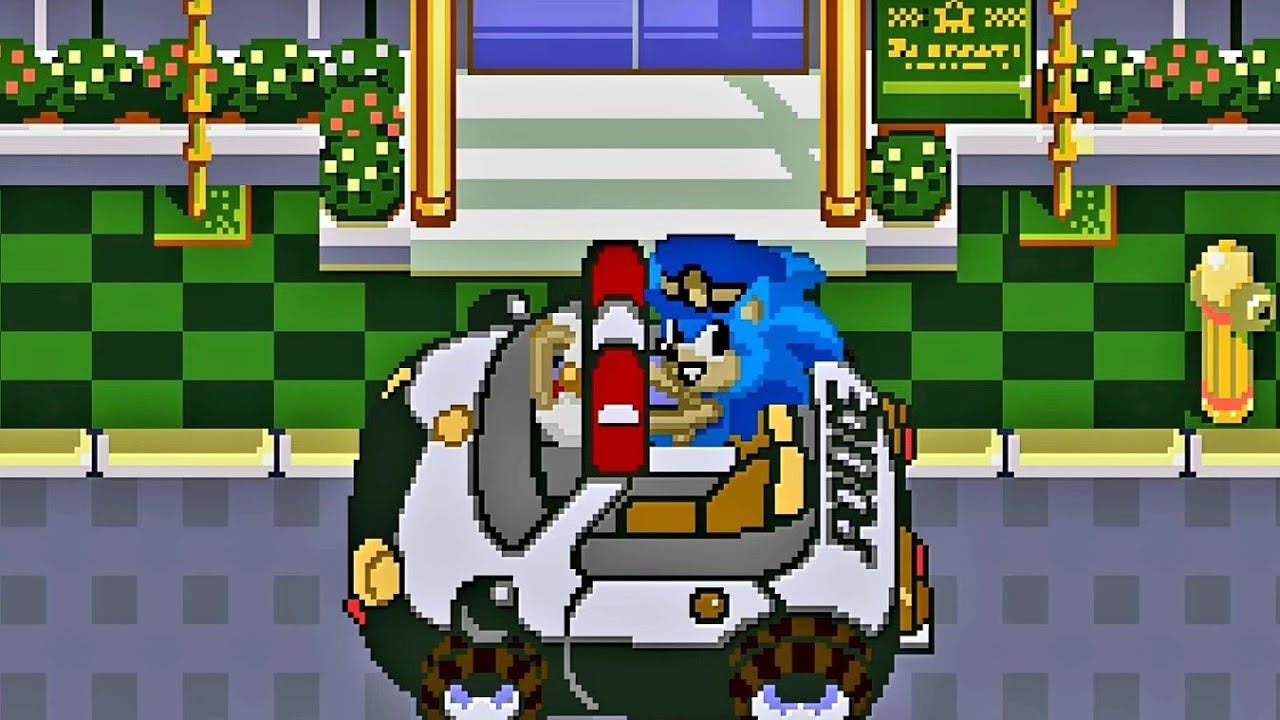
🥌 Discover Japan’s hidden Sonic games, a treasure trove of forgotten adventures, and uncover what made these titles special and elusive. [RetroShell] Link
What’s the difference between a hedgehog and a police car? (Bad joke, google it)
📟 Witness Doom Eternal running on a Game Boy Color screen powered by a Raspberry Pi Pico in an incredible retro tech feat. [XDA Developers] Link
🪐 Dive into the rise and fall of Sega during the Saturn era, an odyssey marked by innovation, ambition, and bittersweet legacy. [RetroShell] Link
🎮 Do you really need to play the Virtual Boy? A humorous exploration of Nintendo’s most infamous console. [Nintendo Life] Link
🚀 Uncover Metroid Origins and the birth of Samus Aran, revealing the start of an iconic saga that defined generations. [RetroShell] Link
📺 Is this the ultimate CRT? A love letter to retro displays for enthusiasts who demand authenticity in gaming. [RetroShell] Link
🌟 Take a deep dive into overlooked video games, rediscovering hidden gems that are still worth playing today. [RetroShell] Link
There is one man who can solve this New Jersey drone problem.
🪱 Explore the untold story of Worms, where a simple idea revolutionised gaming with explosive results. [RetroShell] Link
🕹️ Miyamoto shares his son’s “frustrating experience” playtesting Super Mario 64, revealing valuable lessons in game design. [GameReactor] Link
📂 Go behind the scenes of game preservation with Square Enix, Capcom, Taito, and Sega, safeguarding retro gaming history. [RetroShell] Link
📈 Retro gaming sees a massive resurgence among Generation Z, with 70% showing interest in classic titles. [RetroShell] Link
🔮 Discover how the Zelda CD-i games inspire Arzette: The Jewel of Faramore, a spiritual successor for fans. [CBR] Link
🎮 Track the evolution of game controllers from A-B simplicity to X-Y complexity, celebrating decades of innovation. [RetroShell] Link
🎴 Relive the magic of the Super Game Boy, bringing Game Boy games to the SNES, complete with hidden secrets. [RetroShell] Link
Lists & Rankings
🎮Discover the best games exclusive to the Nintendo 64, ranked from fan favourites to hidden gems. [Game Rant] Link
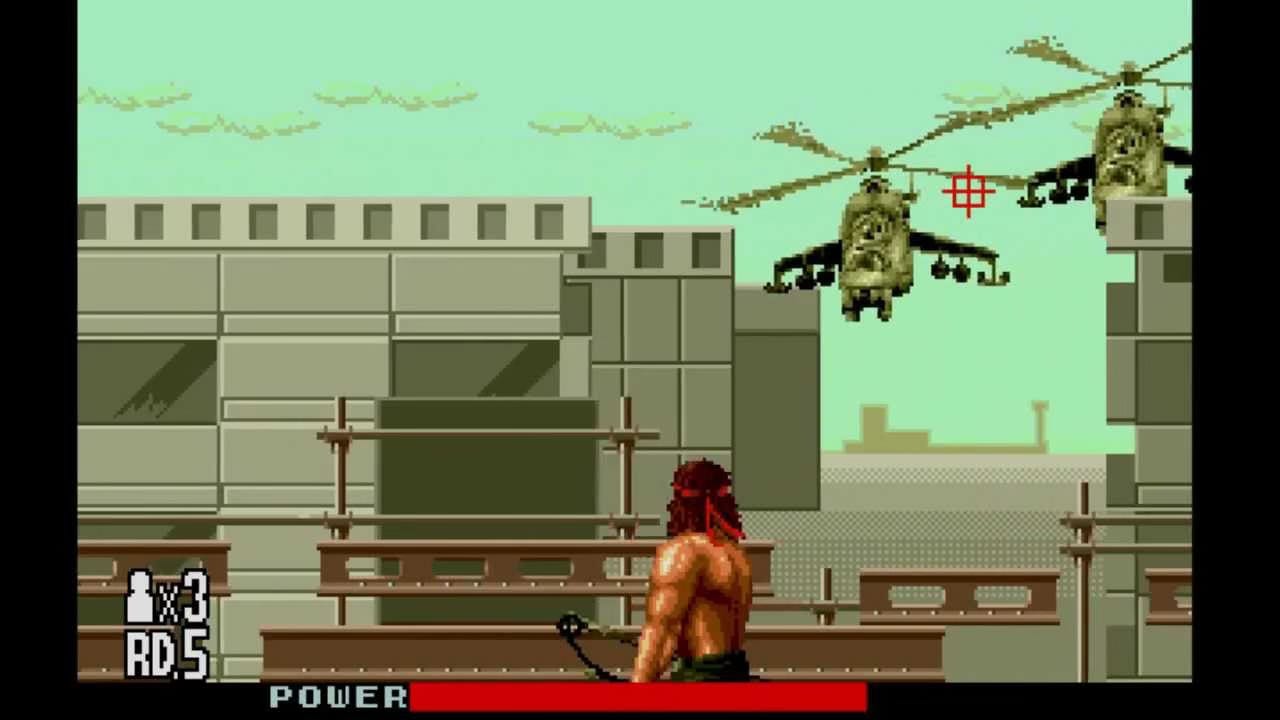
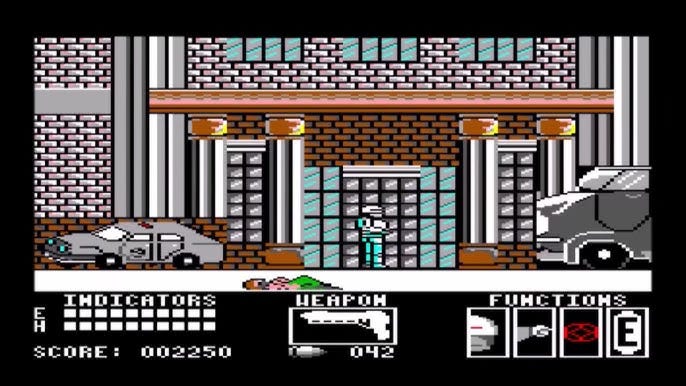
🤖Ranking Robocop video game ports from the downright awful to the surprisingly awesome—don’t miss our breakdown![RetroShell] Link
Kind of hard to see with the urban camo.
🎂These early SNES classics still hold up today—proof that age is just a number in gaming! [CBR] Link
🤑From rare Pokémon cards to priceless collectables, dive into the world of Pokémon treasures that are worth a fortune. [The Gamer] Link
🛡️Relive the best Link moments across The Legend of Zelda franchise, ranked for their impact and nostalgia. [CBR] Link
🌟Take a deep dive into overlooked video game hidden gems—discover titles you might have missed but shouldn’t! [RetroShell] Link
📣Explore the most unforgettable video game marketing campaigns that redefined how we see games. [The Gamer] Link
🕹️A look at the best Game Boy games of each year—relive the iconic handheld’s golden moments. [The Gamer] Link
In a delightful nod to nostalgia, Limited Run Games has unveiled the Snow Bros. Deluxe Edition for the classic Nintendo Entertainment System (NES), bringing back the beloved arcade game that has captured hearts since its 1990 debut. This re-release has sparked excitement among both long-time fans and new gamers eager to experience the chilly adventures of Nick and Tom.
A Blizzard of Fun: Snow Bros., originally developed by Toaplan, features the mischievous duo, Nick and Tom, as they transform into snowmen to save their kingdom from the icy grip of King Scorch. The gameplay involves turning enemies into snowballs and rolling them across the screen to clear levels, a mechanic that remains as engaging today as it was decades ago.
Deluxe Edition Details: The Deluxe Edition for NES comes on a playable cartridge, ensuring the authentic feel of the original hardware. Pre-orders for this limited edition are now open, with a closing date of Sunday, January 26, 2025, at 11:59 PM Eastern Time. This release is not just a revival but a collector’s dream, complete with a clear snowy sparkle cartridge that enhances the tactile joy of gaming.
Why It Matters: Limited Run Games is renowned for its commitment to preserving gaming history through officially licensed, highly collectable editions. Each game is only printed once, making this Snow Bros. re-release a rare opportunity for gamers to own a piece of video game heritage.
Fan Reactions: The announcement has been met with waves of enthusiasm across gaming communities. On platforms like X, discussions are buzzing with fans sharing memories, gameplay tips, and their excitement for this throwback. “Winter is here, and so are the Snow Bros!” has been a popular sentiment, reflecting the community’s warm welcome to this frosty adventure.
The Legacy Continues: Snow Bros. has seen various releases over the years, but this Deluxe Edition on the NES marks a significant return to its roots. It’s not just about playing an old game; it’s about reliving the magic of a time when video games were a simpler, yet profound joy.
For those looking to dive into this snowy saga or add to their retro collection, the Snow Bros. Deluxe Edition for NES is available for pre-order. Don’t miss your chance to chill out with Nick and Tom once more. If you are looking for the finest display case and protection for this release, you can check out our collection of protectors for the NES, Genesis and many other retro consoles.
In the world of video games, the humble game controller has undergone significant transformations, not just in design but in functionality, reflecting the evolution of gaming itself. One pivotal change was the transition from the “A/B” buttons of the original NES to the “X/Y” and “L/R” buttons introduced with the Super Nintendo Entertainment System (SNES). But why did we get “X/Y” instead of “C/D”? Let’s dive into this intriguing piece of gaming history.
The Birth of the Modern Controller
When the NES hit the markets in 1983, its controller was revolutionary. It featured a simple cross-shaped directional pad (D-pad) and two buttons, labeled A and B. This basic setup was enough to spawn a gaming revolution, offering gameplay mechanics that were novel at the time. The dual controller ports from the outset made multiplayer gaming accessible, contributing significantly to the NES’s success.
The Leap to More Buttons
By the time the SNES was released in 1990, the gaming landscape had changed. Games were becoming more complex, and the demand for additional controls was evident. Enter the SNES controller with its six buttons: A/B, X/Y, and L/R. This wasn’t just an upgrade; it was a response to the needs of gamers, particularly influenced by the success of arcade games like “Street Fighter II,” which required more buttons for its intricate move sets.
Shigeru Miyamoto, a key figure at Nintendo, attributed the increase to six buttons to the necessity of accommodating games like “Street Fighter II” in home consoles. But why choose “X/Y” over “C/D”?
Visual and Functional Differentiation
Miyamoto’s reasoning was simple yet profound: visual differentiation. He explained that while the fundamental gameplay could rely on the cross key and A/B buttons, adding more buttons needed to be intuitive. “A/B” and “X/Y” clearly separate into two distinct groups, making it easier for players to learn and remember the functions of each button without confusion. Using “C/D” would have muddled this distinction, potentially making games less intuitive.
Moreover, “L/R” for “Left/Right” was a straightforward choice, aligning with the physical placement of these buttons on the controller. This naming convention helped in understanding the role of these buttons in games like “F-ZERO,” where they provided additional control over the vehicle’s movements, enhancing the gameplay experience.
A Legacy of Innovation
This thoughtful approach to controller design has left a lasting impact on how games are developed and played. The “X/Y” buttons have become standard in many controller designs, not just for Nintendo but across the industry, proving the foresight in Miyamoto’s decision.
Today, controllers continue to evolve, with innovations like motion controls, touch interfaces, and specialized controllers like the “Ring-Con” for “Ring Fit Adventure.” Each new iteration aims to deepen immersion, increase accessibility, or cater to specific game genres, showing that the controller’s story is far from over.
The Future of Gaming Input
As we look to the future, one can only speculate how controllers might evolve. Will we see more ergonomic designs, haptic feedback beyond what we currently know, or perhaps interfaces that blend digital and physical interactions in new ways? Whatever the future holds, the legacy of the SNES controller’s design philosophy will undoubtedly influence it, emphasizing user experience, game design, and the joy of play.
The transition from A/B to X/Y was more than a simple change in nomenclature; it was a step towards making gaming more accessible, intuitive, and enjoyable for players around the world. As gaming continues to grow, so too will the tools we use to engage with these digital worlds, forever changing how we interact with entertainment.
If you are in to retro game collecting, check out RetroShell premium game display protectors, they are of the finest quality and the best way to protect your valuable collection.