Tag Archives: Gaming History

The Famicom Disk System’s Mario Legacy: A Fascinating Chapter in Nintendo’s History

In the annals of gaming history, Nintendo’s Famicom Disk System (FDS) stands as a beacon of innovation, nostalgia, and curiosity. Released in February 1986, this peripheral to the Famicom (the Japanese NES) introduced a host of features that were groundbreaking at the time. From save functionality to enhanced audio capabilities, the FDS was a remarkable experiment. However, what truly sets it apart is its role in shaping the Mario franchise, offering exclusive titles and experiences that many Western gamers missed.

The Famicom Disk System: A Revolutionary Leap

The FDS was a bold step forward for Nintendo. It utilised Quick Disk format technology, allowing games to be stored on rewritable disks, each boasting a 128K storage capacity (56K per side). This format made games cheaper to produce and offered players the ability to save their progress—a rarity in mid-1980s gaming. The system also enhanced the Famicom’s audio capabilities, enabling richer and more complex soundtracks that gave games a more immersive quality.

But the FDS wasn’t just about technology—it was about strategy. Nintendo envisioned it as the primary platform for their first-party titles, and between November 1985 and November 1987, they committed exclusively to developing games for the FDS in Japan. Early success seemed to affirm their plan: 300,000 units were sold in the first three months, and 2 million within a year.

Yet, the future had other plans. Advances in cartridge technology, particularly the advent of memory mappers, rendered the FDS obsolete by the late 1980s. Still, its brief life left an indelible mark, particularly in the realm of Mario.

Exclusive Mario Games That Defined the FDS

For fans of Mario, the FDS is a treasure trove of unique experiences. The system hosted several Mario titles, some exclusive and others enhanced versions of existing games. These titles not only pushed the boundaries of the franchise but also demonstrated Nintendo’s willingness to experiment.

All Night Nippon Super Mario Brothers

This quirky gem, released in 1986, epitomises the FDS’s experimental spirit. A collaboration between Nintendo and the Japanese late-night radio show All Night Nippon, this game is a reimagining of the original Super Mario Brothers. It features remixed levels from the original and the notoriously difficult Lost Levels, adorned with TV-themed elements and celebrity cameos. It’s a whimsical, distinctly Japanese iteration of Mario that remains a curiosity for collectors and fans alike.

Super Mario Brothers 2 (Lost Levels)

Known in Japan simply as Super Mario Brothers 2, this game was a FDS exclusive for years before reaching Western audiences as part of Super Mario All-Stars. It introduced a host of innovations, including:

Poison Mushrooms: A devious twist on the familiar power-up mechanic, these would harm rather than help players.

Character Differences: Luigi finally stepped out of Mario’s shadow with his higher jumps and slipperier controls, adding a layer of strategy.

Environmental Challenges: From gusty winds to high-bouncing green trampolines, the game upped the difficulty and creativity.

This sequel’s brutal difficulty earned it the moniker “Lost Levels” in the West and cemented its place as a hardcore gamer’s badge of honour.

Original Super Mario Brothers

While the cartridge version of Super Mario Brothers is iconic, the FDS version included an intriguing distinction: a different Minus World. Unlike the endless underwater loop of the cartridge version, the FDS’s Minus World was a fully playable, albeit bizarre, series of levels that could actually be completed. This change offered players an added layer of mystery and replayability.

The FDS’s Role in Gaming Innovation

The FDS wasn’t just about Mario—it was a testing ground for ideas that would shape Nintendo’s future. Its most significant contributions include:

1. Game Saving: The ability to save progress paved the way for franchises like The Legend of Zelda, which debuted on the FDS before becoming a cartridge staple.

2. Enhanced Audio: The FDS’s additional sound channels allowed for richer, more atmospheric soundtracks that elevated the gaming experience.

3. Affordable Game Production: Quick Disks were cheaper to produce than cartridges, helping Nintendo maintain supply during a period of rapid growth.

These innovations underscored Nintendo’s forward-thinking approach, but the FDS’s reliance on disks also revealed limitations. Load times and durability issues with the disks themselves eventually led to its decline.

A Legacy That Lives On

Despite its relatively short lifespan, the FDS’s impact is undeniable. It played a crucial role in the early growth of Nintendo’s dominance in the gaming industry. For the Mario franchise, it was a space to experiment—testing mechanics, level designs, and ideas that would later become iconic.

Additionally, the FDS helped Nintendo navigate supply chain challenges during a period of explosive growth, proving invaluable as a stopgap measure before advances in cartridge technology took over. Features like game saving and enhanced audio would become standard in future consoles, a testament to the system’s forward-thinking design.

The Enduring Fascination with the FDS

Today, the FDS remains a cult favourite among retro gaming enthusiasts and collectors. Its unique library, innovative features, and place in gaming history make it an essential part of Nintendo’s story. Mario fans, in particular, owe a debt to the FDS for the quirky, challenging, and groundbreaking titles it brought to life. While the system itself may no longer be functional for most players, its legacy lives on in emulation, modern remakes, and the enduring charm of Mario.

If you are a FDS collector, and want the best game protectors for your Famicom Disk System games, check out RetroShell’s premium protectors.

The Unmatched Legacy of Super Mario Brothers 3

Super Mario Bros. 3 – A Gaming Masterpiece

When you talk about games that changed everything, Super Mario Bros. 3 sits right at the top of that list. Released in Japan in 1988, this masterpiece didn’t just improve on its predecessors – it completely revolutionized what we thought was possible in a platforming game.

The Development Journey

Early Beginnings
Development kicked off in 1986, right after The Lost Levels hit the shelves in Japan. The team, led by the legendary duo of Shigeru Miyamoto and Takashi Tezuka, initially toyed with the idea of an isometric perspective. Thankfully, they stuck with the classic side-scrolling format we all know and love.

Hidden Secrets
Here’s something fascinating – Miyamoto had originally sketched concept art of Mario riding another character, an idea that would later evolve into Yoshi in Super Mario World. That sketch hung on the wall throughout SMB3’s entire development, waiting five years before finally becoming reality.

Revolutionary Design Elements

The Stage Play Aesthetic
Nintendo took an incredibly creative approach to the game’s visual presentation. The whole game was designed to look like a stage play, complete with rising curtains and levels that appeared to be bolted onto the backdrop. This wasn’t just a visual gimmick – it added a unique theatrical charm to the entire experience.

World Map Innovation
The introduction of the overworld map was a game-changer. Instead of linear progression, players could now choose their path through each world, adding a strategic layer to the gameplay. This board game-style navigation would become a staple of the series and influence countless other games.

Gameplay Mechanics

Power-Up Revolution
The game introduced some of the most creative power-ups in gaming history. The Tanooki Suit let Mario turn into an invincible statue, while the Frog Suit gave him superior underwater mobility. Each power-up wasn’t just a simple boost – it fundamentally changed how you could approach levels.

Level Design Mastery
The attention to detail in level design was unprecedented. World 1-1 alone showcases brilliant teaching mechanics, introducing concepts like the Jump Blocks in a valley with a Paragoomba, naturally encouraging players to discover new mechanics through gameplay.

Technical Achievements

Push for Innovation
The development team pushed the NES hardware to its limits. The game featured smooth animations, detailed sprites, and complex-level designs that seemed impossible on the system. Even the enemy movements were more sophisticated, with new behaviours and patterns that made each encounter unique.

Cultural Impact

Marketing Revolution
Nintendo’s marketing strategy for SMB3 was revolutionary. The game made a spectacular appearance in the film “The Wizard,” essentially turning the movie into a 90-minute commercial that generated unprecedented hype. This marketing move would influence game promotions for years to come.

Sales Success
The numbers tell an incredible story. Super Mario Bros. 3 sold a staggering 17 million copies worldwide, making it the third-best-selling NES game. In the United States alone, it generated $595 million by early 1992 – more than blockbuster films like E.T., Batman, and Jurassic Park.

Legacy and Influence

Critical Acclaim
The game received near-universal praise from critics. Computer and Video Games magazine gave it a 98% score, with editor Paul Rand calling it “the Mona Lisa of gaming”. This wasn’t just hyperbole – the game’s influence can still be seen in platformers today.

Speedrunning Community
The game’s precise controls and hidden glitches have made it a favourite among speedrunners[7]. Events like Games Done Quick regularly feature Super Mario Bros. 3 runs, showcasing just how deep the game’s mechanics go.

Modern Relevance

Continued Influence
Even modern Mario games owe a debt to Super Mario Bros. 3. The recent success of Super Mario Bros. Wonder, which became the fastest-selling title in the franchise, builds upon many of the foundations laid by SMB3.

Lasting Appeal
The game has been rereleased multiple times, from Super Mario All-Stars to the Nintendo Switch Online service. Each new generation discovers what made this game special, proving that truly great game design is timeless.

Technical Innovation

Prototype Development
Early versions of the game showed significant differences from the final release. Screenshots from development reveal different level layouts, altered enemy placements, and even changes to core items like the Super Leaf, which was originally green instead of brown.

The Human Element

Team Dedication
The game’s success wasn’t just about technical achievements. It was about a team of passionate developers working tirelessly to create something special. From Koji Kondo’s memorable soundtrack to the countless hours spent perfecting each level, every aspect showed incredible attention to detail.

Super Mario Bros. 3 remains a masterclass in game design, proving that innovation, attention to detail, and pure gaming joy never go out of style. It’s not just a great game – it’s a piece of gaming history that continues to influence and inspire decades after its release.

If you are lucky enough to own this gem in physical form for the NES or SNES then we recommend protecting it with a RetroShell – the finest protection for your games.

👾 Retro Gaming Weekly News #0129

I hope that however you spent the Christmas time, it was enjoyable and filled with gaming goodness.

My week in gaming has been spent using my Chromatic, a beautiful console, playing Marvel Rivals (and Snap), and hacking my PS3 to load every guitar game from the PS2/PS3 era to relive the golden era of music games.

This week’s newsletter has 37 stories—including a Sega Genesis/Megadrive “Star Wars Holiday Special” game, watching films on the Game Boy Colour, Gen Z’s retro love, and a lot more. Thanks for reading!

News

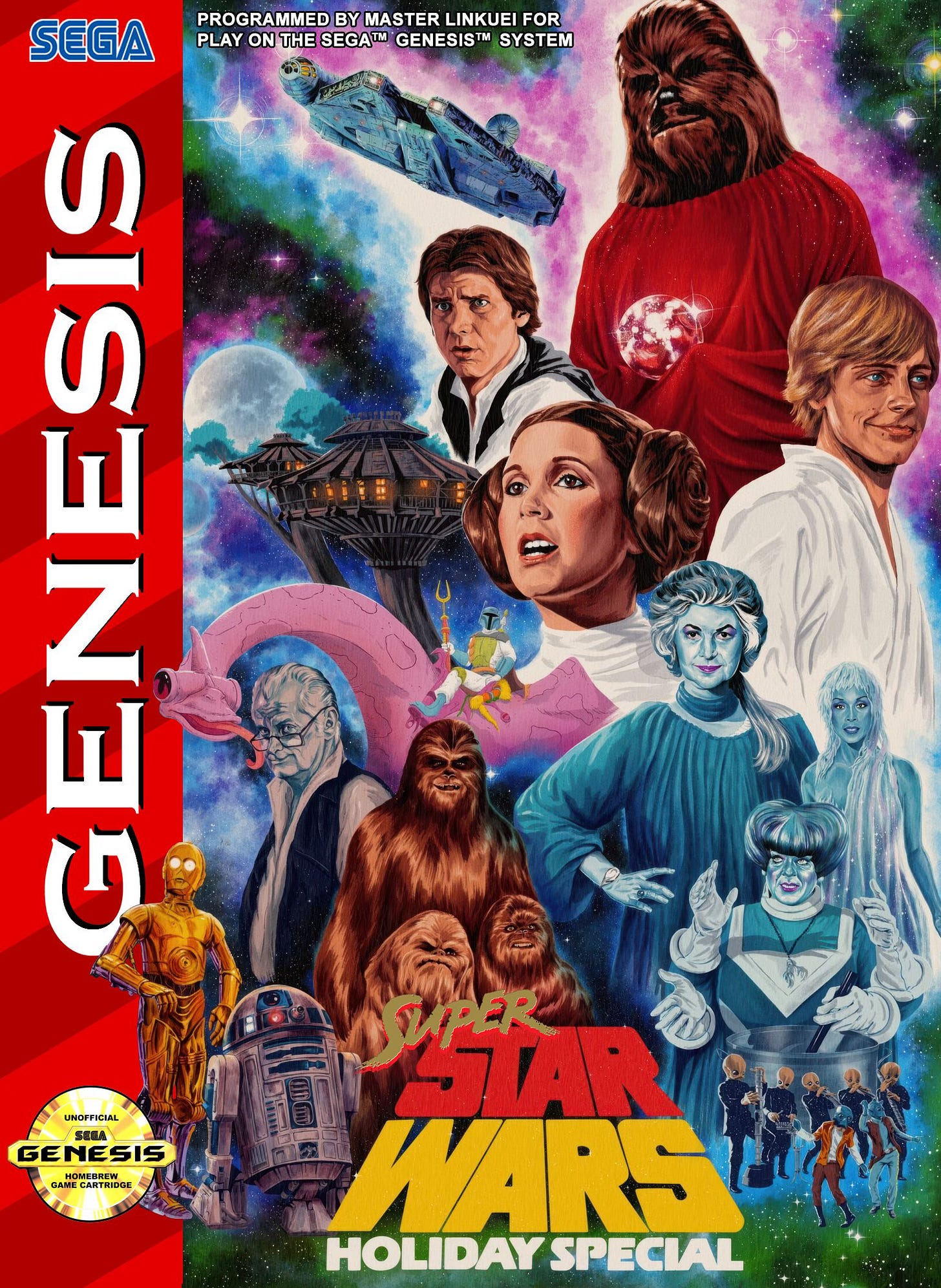
🥳 Experience the force of nostalgia with the “Star Wars Holiday Special” mod for Sega Mega Drive/Genesis, adding a festive twist to your retro gaming. [RetroShell] Link

So bad it’s good.

🎮 Columbus Circle reveals the 8-Bit Compact HD, a modern 720p Famicom console designed to honour retro gaming in style. [RetroShell] Link

😂 Nintendo gives the NES a glow-up—officially rebranding it as “Regular Nintendo” after 39 years of memes. [Hard Drive] Link

📅 Celebrate gaming history with Fabli’s 2025 Retro Gaming Calendar (🇯🇵), packed with iconic dates and imagery to relive the classics. [RetroShell] Link

🖥️ Another N64 gem joins the PC world as dedicated fans bring a beloved classic to life with a new port. [VideoGamesChronicle] Link

🦊 Star Fox creator praises fans for porting Star Fox 64 to PC, even though it’s likely to draw Nintendo’s ire. [Automaton Media] Link

📺 Watch movies on your Game Boy using a creative link cable hack—because why not? [Hackaday] Link

🎄 SuperSega claims Sega approves its FPGA console—just in time for Christmas cheer! [Time Extension] Link

🎵 The Super Mario 64 soundtrack is now streaming via Nintendo Music—featuring all your favourite tunes from Peach’s Castle. [Nintendo Life] Link

🕹️ A passionate Sega fan has crafted a Final Fight MD console, blending creativity with retro fandom. [Time Extension] Link

🚫 Sega confirms no more mini consoles, exploring bold new ventures in retro gaming’s future. [GeekSided] Link

🤔 Sega confesses it’s unsure how many games it actually owns—some mysteries may remain forever unsolved. [Time Extension] Link

📦 Could Sega’s own game subscription service be on the horizon? Early hints point to a retro-inspired future. [Passionate Geekz] Link

🚀 “Sonic Robo Blast 3D 32X” brings a new dimension to the Sega 32X, with vibrant visuals and fast-paced gameplay. [RetroShell] Link

Features

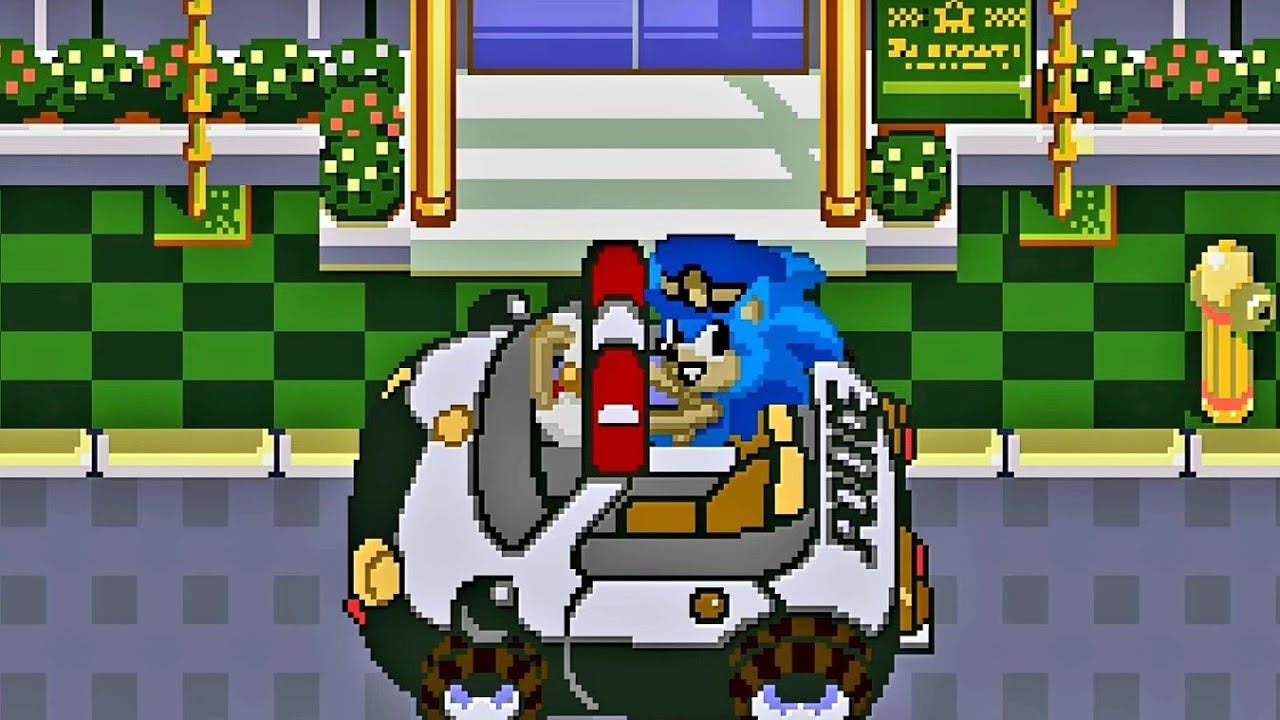
🥌 Discover Japan’s hidden Sonic games, a treasure trove of forgotten adventures, and uncover what made these titles special and elusive. [RetroShell]  Link

What’s the difference between a hedgehog and a police car? (Bad joke, google it)

📟 Witness Doom Eternal running on a Game Boy Color screen powered by a Raspberry Pi Pico in an incredible retro tech feat. [XDA Developers] Link

🪐 Dive into the rise and fall of Sega during the Saturn era, an odyssey marked by innovation, ambition, and bittersweet legacy. [RetroShell] Link

🎮 Do you really need to play the Virtual Boy? A humorous exploration of Nintendo’s most infamous console. [Nintendo Life] Link

🚀 Uncover Metroid Origins and the birth of Samus Aran, revealing the start of an iconic saga that defined generations. [RetroShell] Link

📺 Is this the ultimate CRT? A love letter to retro displays for enthusiasts who demand authenticity in gaming. [RetroShell] Link

🌟 Take a deep dive into overlooked video games, rediscovering hidden gems that are still worth playing today. [RetroShell] Link

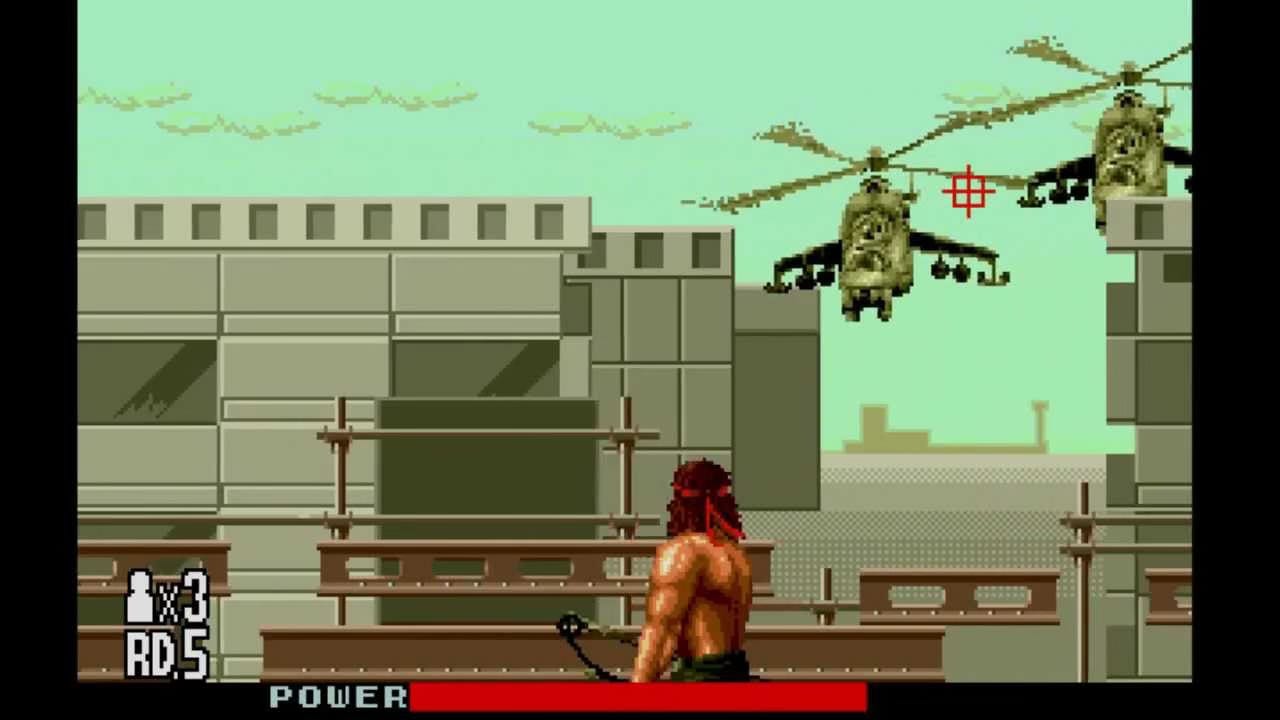
There is one man who can solve this New Jersey drone problem.

🪱 Explore the untold story of Worms, where a simple idea revolutionised gaming with explosive results. [RetroShell] Link

🕹️ Miyamoto shares his son’s “frustrating experience” playtesting Super Mario 64, revealing valuable lessons in game design. [GameReactor] Link

📂 Go behind the scenes of game preservation with Square Enix, Capcom, Taito, and Sega, safeguarding retro gaming history. [RetroShell] Link

📈 Retro gaming sees a massive resurgence among Generation Z, with 70% showing interest in classic titles. [RetroShell] Link

🔮 Discover how the Zelda CD-i games inspire Arzette: The Jewel of Faramore, a spiritual successor for fans. [CBR] Link

🎮 Track the evolution of game controllers from A-B simplicity to X-Y complexity, celebrating decades of innovation. [RetroShell] Link

🎴 Relive the magic of the Super Game Boy, bringing Game Boy games to the SNES, complete with hidden secrets. [RetroShell] Link

Lists & Rankings

🎮Discover the best games exclusive to the Nintendo 64, ranked from fan favourites to hidden gems. [Game Rant] Link

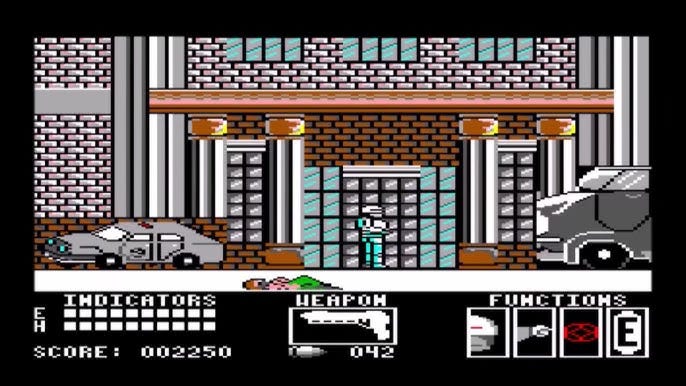
🤖Ranking Robocop video game ports from the downright awful to the surprisingly awesome—don’t miss our breakdown![RetroShell] Link

Kind of hard to see with the urban camo.

🎂These early SNES classics still hold up today—proof that age is just a number in gaming! [CBR] Link

🤑From rare Pokémon cards to priceless collectables, dive into the world of Pokémon treasures that are worth a fortune. [The Gamer] Link

🛡️Relive the best Link moments across The Legend of Zelda franchise, ranked for their impact and nostalgia. [CBR] Link

🌟Take a deep dive into overlooked video game hidden gems—discover titles you might have missed but shouldn’t! [RetroShell] Link

📣Explore the most unforgettable video game marketing campaigns that redefined how we see games. [The Gamer] Link

🕹️A look at the best Game Boy games of each year—relive the iconic handheld’s golden moments. [The Gamer] Link