Takaya Imamura, a former Nintendo veteran renowned for creating characters like Captain Falcon and Fox McCloud, recently emphasised the importance of the individuals behind Nintendo’s beloved franchises. In a blog post, Imamura cautioned against the notion that merely owning popular intellectual properties (IPs) ensures success, stating, “It’s crucial not to forget the talented individuals who uphold the value of those IPs.”
Credit: Note.com / Imamura
Imamura’s tenure at Nintendo spanned over three decades, during which he contributed significantly to series such as F-Zero and The Legend of Zelda: Majora’s Mask. Reflecting on his departure in 2021, he acknowledged the challenges of managing a company with numerous creators and highlighted the necessity of charismatic leadership to maintain smooth operations.
While expressing confidence in Nintendo’s current leadership, Imamura’s remarks serve as a reminder that the strength of a franchise lies not just in its name but in the creative minds that develop its games. This perspective resonates in an industry where layoffs are common, underscoring the need to value and support the talent that drives innovation and maintains the quality of beloved series.
As Nintendo continues to develop new entries in its flagship series, Imamura’s insights highlight the importance of nurturing and recognising the creators who bring these games to life. After all, it’s the passion and creativity of these individuals that transform a popular IP into an engaging and memorable experience for players.
Krikzz has unveiled the Mega EverDrive CORE, a new flash cartridge designed for Sega Genesis/Mega Drive enthusiasts seeking a balance between functionality and affordability. Priced at $99, this cartridge offers a range of features tailored to enhance the retro gaming experience.
Credit: krikzz.com
Key Features:
• Cyclone 10 FPGA: Ensures efficient performance and compatibility.
• Memory Specifications: Equipped with 8MB PSRAM and 128KB SRAM to support various game sizes.
• Multi-System Support: Compatible with Genesis, 32X*, and Master System ROMs.
• Region Unlocking: Hardware MegaKey function disables region locks for Genesis games.
• In-Game Menu: Allows saving or returning to the system menu without a physical reset.
• Real-Time Clock: Logs the date and time of saves for accurate record-keeping.
• Instant ROM Loading: Facilitates quick game startups.
• USB Port: Supports development and system updates.
• Cheat Functions and IPS Patching: Enables game modifications and enhancements.
• MD+ Audio Enhancements: Improves audio quality for supported games.
Credit: krikzz.com
Note: 32X games require the 32X addon to be attached.
In a recent interview with The Guardian, Takaya Imamura reflects on his 32-year tenure at Nintendo, where he played a pivotal role in shaping some of the company’s most beloved franchises.
Journey to Nintendo
Imamura joined Nintendo in 1989, inspired by Shigeru Miyamoto’s groundbreaking work. Despite initial reservations about his lack of programming skills, he was hired for his artistic talent. His early contributions included designing vehicles and characters for F-Zero, notably creating Captain Falcon.
Credit: The Guardian
Contributions to Iconic Franchises
Throughout his career, Imamura left an indelible mark on several major titles:
• Star Fox Series: He was instrumental in designing the anthropomorphic characters, drawing inspiration from Japanese folklore and Nintendo colleagues.
• The Legend of Zelda: Majora’s Mask: Imamura designed the game’s titular mask and the iconic moon, infusing the game with its distinctive eerie atmosphere.
• F-Zero Series: Beyond the original, he collaborated with Sega on F-Zero GX, which he regards as the pinnacle of the series.
Life After Nintendo
After retiring in 2021, Imamura transitioned to academia, teaching at the International Professional University of Technology in Osaka. He also pursued personal projects, including creating the manga Omega 6, which is being adapted into a retro-styled adventure game.
Credit: The Guardian
Legacy and Impact
Imamura’s work has significantly influenced Nintendo’s creative direction, blending art and storytelling to create immersive gaming experiences. His designs continue to resonate with fans worldwide, exemplifying the profound impact of artistic vision in game development.
For a more in-depth look at Takaya Imamura’s journey and contributions, read the full interview on The Guardian.
Level up your retro gaming knowledge—subscribe to Retro Gaming News on Substack!
Keep your cherished retro games safe with RetroShell premium protectors.
The developer behind Vampire Survivors, Poncle, has outlined ambitious plans for 2025, including a new expansion, online co-op, and potential new projects.
Credit: Poncle
Key Highlights:
• New Expansion: Following the success of the Castlevania crossover DLC, Poncle plans to release at least one more original expansion for Vampire Survivors.
• Free Updates: The focus will be on substantial free updates, including new Adventures for existing expansions like Tides of the Foscari and possibly Ode to Castlevania.
• Online Co-op: Building on the couch co-op introduced in 2023, Poncle is working to implement online multiplayer, aiming for a release within the year.
• New Projects: The studio hints at non-Vampire Survivors projects, suggesting that 2025 will be its “biggest, chaotic-est, surprising-est” year yet.
These developments indicate a commitment to expanding the Vampire Survivors universe and exploring new creative avenues.
Stay tuned for all things retro gaming—sign up for Retro Gaming News on Substack!
Give your classic games the protection they deserve with RetroShell premium protectors.
In the heart of Tokyo at the SIGGRAPH Asia 2024 conference, a remarkable endeavour was unveiled, one that delves into the rich cultural tapestry of video game creation. Four leading companies in the gaming world – Square Enix, Capcom, Taito, and Sega – have embarked on a journey to archive their historical development materials, transforming what was once deemed expendable into precious historical treasures for research and exhibition.
The Cultural Significance of Gaming Archives
Video games have evolved from mere pastimes to cultural phenomena, with their development materials from the 80s and 90s, like blueprints and sketches, becoming pivotal historical items. These artefacts provide insights into how games were conceptualized and crafted, fostering an understanding of the evolution of video game design, technology, and art.
Square Enix’s Trailblazing Archival Work
Square Enix, led by AI researcher Yoichiro Miyake, has been at the forefront of this archival movement. Since 2019, Miyake has been exploring the archives of Enix before its merger with Square, revealing materials previously undocumented. This discovery likened to finding a “treasure trove,” has sparked a project to digitize and manage these assets for future use, involving the photographing of physical items and their conversion into digital formats for research.
Capcom’s Archival System – CIAS
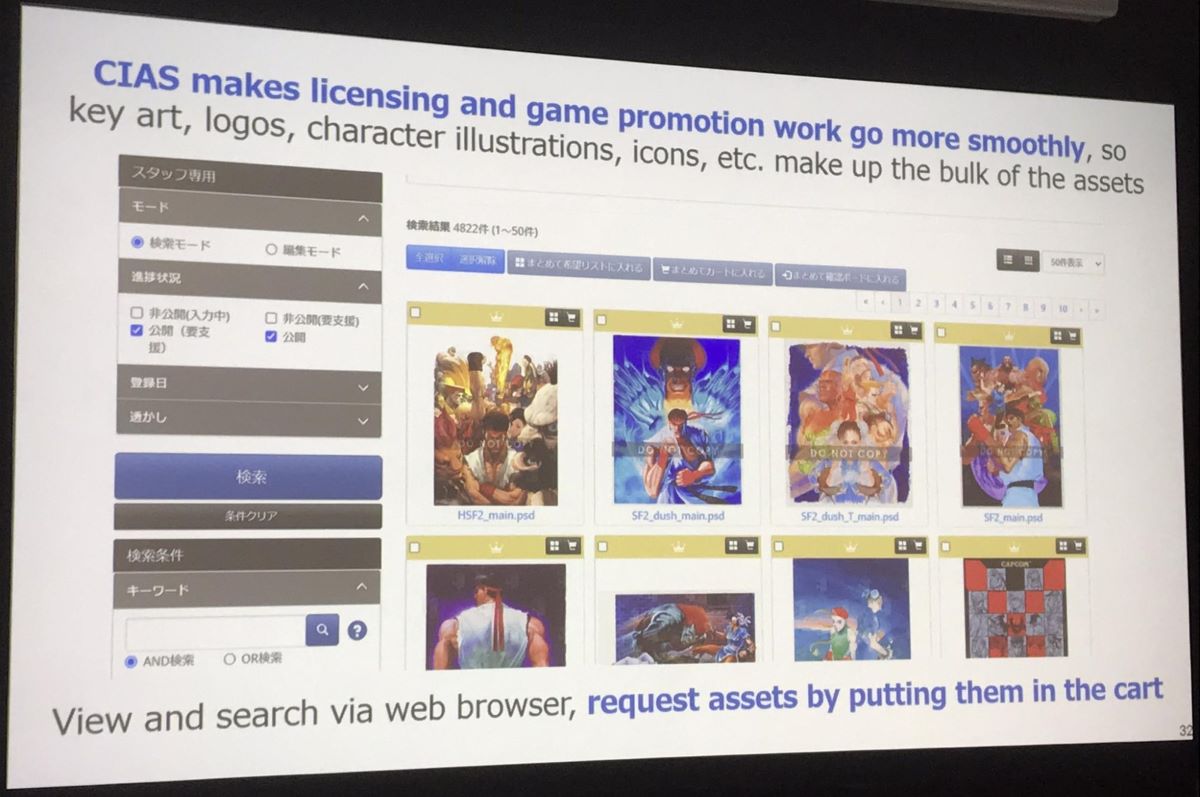
Capcom has developed the Capcom Illustrations Archives System (CIAS) to manage its historical assets, focusing on art and design elements for games like “Street Fighter” and “Rockman.” This system not only preserves these assets but also leverages them for current marketing and game development, showcasing a practical application of historical preservation.
Taito’s Challenges and Triumphs in Legacy Preservation
Taito, with its roots deep in arcade gaming history since 1953, faces unique challenges in preservation, including space and material deterioration. Despite these obstacles, they maintain a vast archive of arcade hardware, software, and even microfilms, which they proudly display at events commemorating their legacy.
Sega’s Recent Dive into Preservation
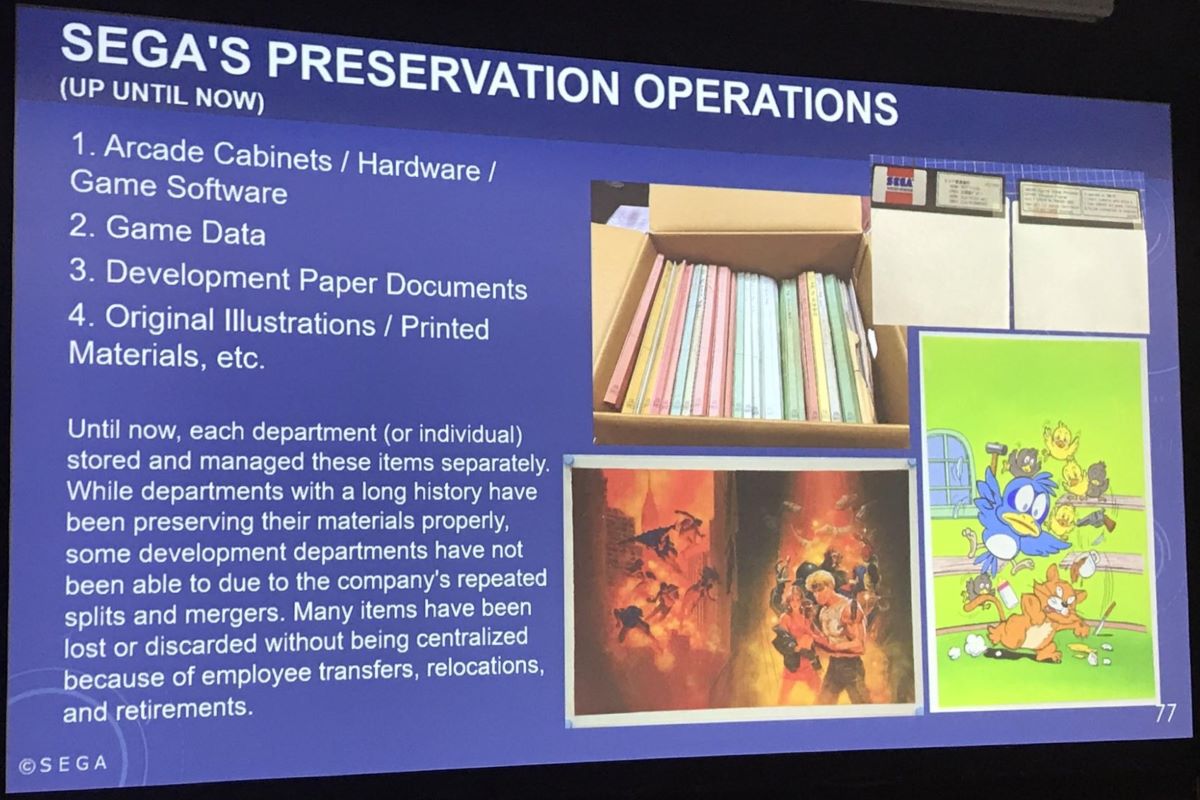
Sega, starting its preservation efforts in 2023, is now aggressively digitizing and cataloguing its past, from arcade machines to original artwork. This initiative includes plans to incorporate materials from subsidiaries like Atlus, aiming to create a comprehensive historical database.
Preserving the Physical: The Role of Game Boxes
The physical packaging of games, especially from the golden age of consoles like the NES and SNES, holds significant cultural and artistic value. These boxes are not just containers but pieces of art that reflect the era’s design and marketing ethos. Preserving them is crucial for collectors and historians to experience games as they were initially presented. For those keen on safeguarding these relics, RetroShell (www.retroshell.com) provides an array of display protectors designed to keep your collection safe from environmental damage, ensuring these artefacts can be enjoyed for years to come.
The Broader Impact of Preservation
The collective effort by these companies underscores a commitment to not just preserve history but to use it as a foundation for future innovation. This archival work teaches us about our past, informing current and future creators while also celebrating video games as cultural artefacts.
Envisioning the Future
As articulated by Yoichiro Miyake, the preservation of these materials is about building a bridge between generations of creators. By maintaining these archives, the industry ensures a continuous dialogue that honours its history while paving the way for future advancements.
This initiative highlighted at SIGGRAPH Asia 2024 not only showcases the industry’s dedication to cultural heritage but also serves as a model for preservation across various fields, safeguarding a slice of digital culture for future generations to study and enjoy.