Author Archives: Owen

New Tool Runs GBA Games on Game Boy Color

New Tool Runs GBA Games on Game Boy Color

From the RetroShell news archive. Originally published 2025-11-28 on our former news site and restored here.

Just when you think the retro modding scene has finally hit the hardware ceiling, someone comes along with a sledgehammer to smash through it.

The Game Boy Color and the Game Boy Advance are, architecturally speaking, worlds apart. One is a glorified 8-bit calculator with a colour screen; the other is a 32-bit powerhouse that can push relatively complex sprites and pseudo-3D. Trying to run software from the latter on the former is like trying to fit a square peg into a round hole, provided the peg is also on fire and the hole is the size of a postage stamp.

Yet, that is precisely what a developer on the r/Gameboy subreddit claims to have achieved.

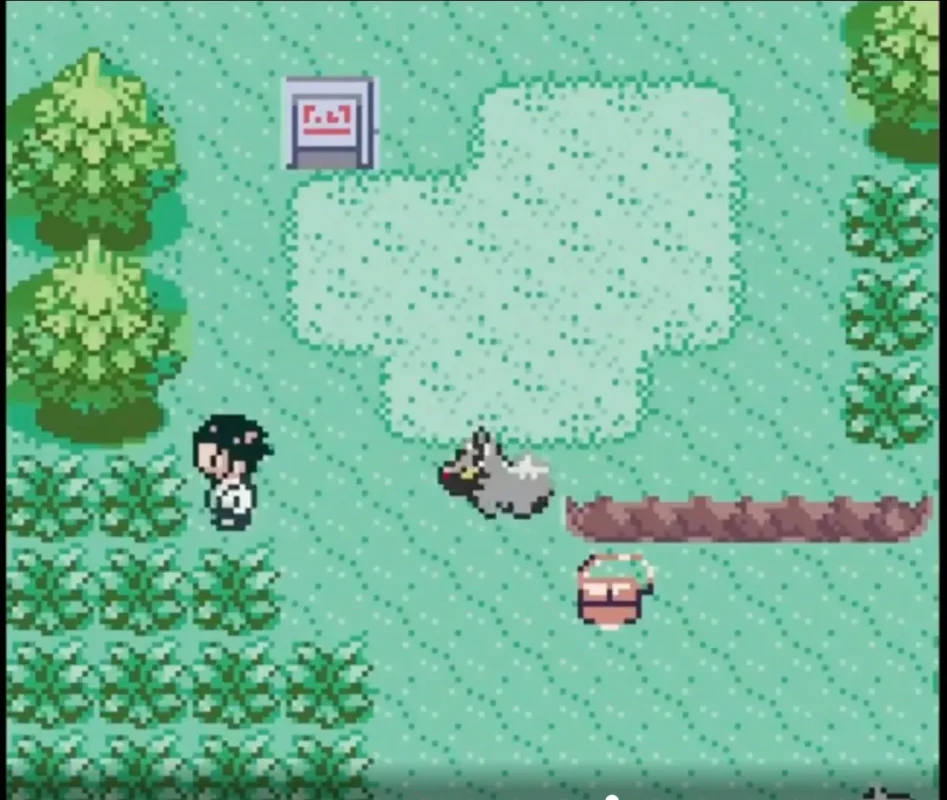
In a thread posted this week, the user showcased a work-in-progress tool designed to “automatically” convert Game Boy Advance ROMs into a format digestible by the humble GBC. To prove the concept, they displayed footage of Pokémon FireRed, a native GBA title, running on what appears to be standard Game Boy Colour hardware.

The technical implications here are headache-inducing. The GBA runs at a resolution of 240×160, while the GBC is limited to a claustrophobic 160×144. To get around this, the tool appears to employ a mix of aggressive sprite scaling and cropping, effectively squashing the image to fit the older display. It is not the prettiest solution, but it is functional.

Then there is the issue of controls. The GBA’s shoulder buttons (L and R) simply do not exist on its predecessor. While the developer has not fully detailed the input mapping, one assumes some combination of the Select and Start buttons will have to do the heavy lifting.

Perhaps the most impressive aspect is the claim of automation. “Demakes” are usually painstaking, hand-crafted affairs where developers rebuild a game from scratch (see the recent Halo demake for GB). A tool that can ingest a 32-bit ROM and spit out an 8-bit compatible file without human intervention borders on sorcery.

We remain cautiously optimistic. The frame rate in the demonstration footage is understandably choppy, and one imagines the audio quality has taken a severe hit to fit within the GBC’s limitations. However, as a proof of concept, it is undeniably impressive.

You can view the full demonstration and follow the project’s development on the original thread below.
View the project on Reddit

R-Type Delta HD Boosted: Granzella Investigates Lag

From the RetroShell news archive. Originally published 2025-11-28 on our former news site and restored here.

The cult classic PlayStation shooter has finally arrived on modern hardware, though it seems to have brought some unwanted baggage along for the ride.

For a certain generation of shooting game enthusiasts, R-Type Delta is the holy grail. It was the moment the series successfully navigated the treacherous jump to 3D without losing its soul. So, when the “HD Boosted” port was announced for modern systems, expectations were understandably high. We expected crisp visuals. We expected a remixed soundtrack. We did not, however, expect to feel like we were piloting the R-9 fighter through a vat of treacle.

Since its launch earlier this week, the port has been battered by user reviews citing significant input latency. In a genre where survival is measured in frames and pixel-perfect dodging is the bare minimum requirement, a delay between button press and on-screen action is not just a nuisance; it is a death sentence.

The outcry has been loud enough to wake the developers.

Granzella Inc., the custodians of the franchise, issued a statement late last night acknowledging the complaints. “We are actively investigating your feedback,” the publisher noted, specifically highlighting the reports of “timing issues” that have plagued the release.

It is a familiar script, unfortunately. A beloved retro title is dusted off, given a fresh coat of paint, and shoved out the door, only for the foundational mechanics to buckle under the weight of poor emulation or optimisation. While it is encouraging to see Granzella—a studio that generally treats the R-Type legacy with respect—respond so quickly, one has to wonder how such a fundamental flaw was missed during quality assurance.

For now, the advice is simple: hold your fire. If you have been waiting twenty years to replay Delta, another few weeks for a patch won’t kill you. The Bydo Empire isn’t going anywhere.

You can monitor the developer’s progress directly via their official channels below.

Read the full statement from Granzella

Mighty Final Fight Forever Launches Dec 23

From the RetroShell news archive. Originally published 2025-11-28 on our former news site and restored here.

While Capcom remains content to leave its 8-bit curiosities gathering digital dust, the fan community has once again stepped in to do the heavy lifting.

Mighty Final Fight, that strange, “super deformed” NES spin-off from 1993, has always been an oddity. It attempted to cram the sprawling arcade brawler into a humble 8-bit cartridge by shrinking the sprites and adding a levelling system. It was charming, certainly, but it lacked the one feature that defines the genre: cooperative play. You were forced to clean up the streets of Metro City alone.

That finally changes this December.

Bouncer Games, led by developer Daniel99j, has confirmed that the long-gestating fan project Mighty Final Fight Forever will launch on December 23rd, 2025. This is not merely a rom hack but a complete reimagining built on the OpenBoR engine. It is the sort of passion project that makes major publishers look a bit lazy by comparison.

The game picks up four years after the original NES title, setting the action in 1997. The developers have promised a comprehensive overhaul of the experience. The most significant addition is a two-player mode, finally allowing Haggar, Cody, and Guy to pummel thugs in tandem.

The feature list reads like a wish list from a disgruntled fan who has spent too much time on message boards. We are looking at a “retro” mode for purists, a completely new story, and multiple routes through the stages. The visuals have been reworked with new enemies and locations, and the soundtrack has been remixed to match the modernised pace.

It is worth noting the price tag: zero. In keeping with the spirit of the OpenBoR community (and likely to avoid the gaze of Capcom’s legal department), the game will be a free download.

For those interested in how the sausage is made, the developer will be hosting a pre-release stream to showcase the final build before the launch. Until then, you can find the project details and the download link (when it goes live) directly at the source below.

Get Mighty Final Fight Forever at Bouncer Games

For more beat-’em-up updates and the rest of the week’s retro news in a single roundup, subscribe at https://retrogamingnews.substack.com/

ModRetro M64: Palmer Luckey's $199 N64 Console

From the RetroShell news archive. Originally published 2025-11-27 on our former news site and restored here.

If there is one thing Palmer Luckey enjoys more than virtual reality or defence contracts, it is proving people wrong. The ModRetro founder has spent the last year quietly preparing a salvo against the high-end retro console market, specifically targeting the Analogue 3D. His weapon of choice is the M64, an FPGA-based reimagining of the Nintendo 64 that promises to do everything its competitors can do, but for fifty dollars less.

The device, which is set for a full unveil this Black Friday, has been teased with the sort of cryptic bravado Luckey is known for. While Analogue has been courting the purist market with its 4K resolution and sophisticated filters, ModRetro is taking a slightly more aggressive approach. The M64 is not just an N64 clone; it is an open platform. Luckey has confirmed the machine will support cores from the MiSTer project, effectively turning it into a multi-system powerhouse right out of the box.

For the uninitiated, the appeal of Field Programmable Gate Array (FPGA) technology is accuracy. unlike software emulation, which can introduce lag and glitches, an FPGA chip mimics the original hardware’s logic gates. The result is a console that behaves exactly like a Nintendo 64, compatibility warts and all, but with modern conveniences like HDMI output.

The M64’s price point of $199 (roughly £158) is its sharpest feature. It undercuts the Analogue 3D by a significant margin, a move likely calculated to disrupt the latter’s holiday sales. Luckey has hinted that inflation and component shortages made this price difficult to maintain, yet he seems determined to hold the line.

Perhaps most interesting is the controller situation. The N64’s original three-pronged pad is often derided by modern gamers, but ModRetro appears to be leaning into the layout rather than away from it. Reports suggest the console will ship with a high-quality revision of that polarizing design, rather than forcing users to buy a separate pad or adapt to a modern twin-stick layout.

The M64 will also play host to new software. ModRetro has been courting developers to create new titles for the hardware, including resurrected projects that were cancelled during the console’s original lifespan. It is a niche within a niche, certainly, but one that speaks to the specific obsessiveness of the retro community.

With the full reveal imminent, the question remains whether the manufacturing quality can match the ambition. Luckey’s previous handheld, the Chromatic, was praised for its build but criticized for its battery life. If the M64 can deliver 4K output and accurate simulation without overheating or breaking the bank, it might just be the definitive way to replay GoldenEye.

Delta Island N64 Overclock Kit: Switchless CPU Speed Mod

Delta Island N64 Overclock Kit: Switchless CPU Speed Mod

From the RetroShell news archive. Originally published 2025-11-21 on our former news site and restored here.

The new modification board offers variable CPU speeds to mitigate performance dips in legacy software, controllable via the console’s reset button.

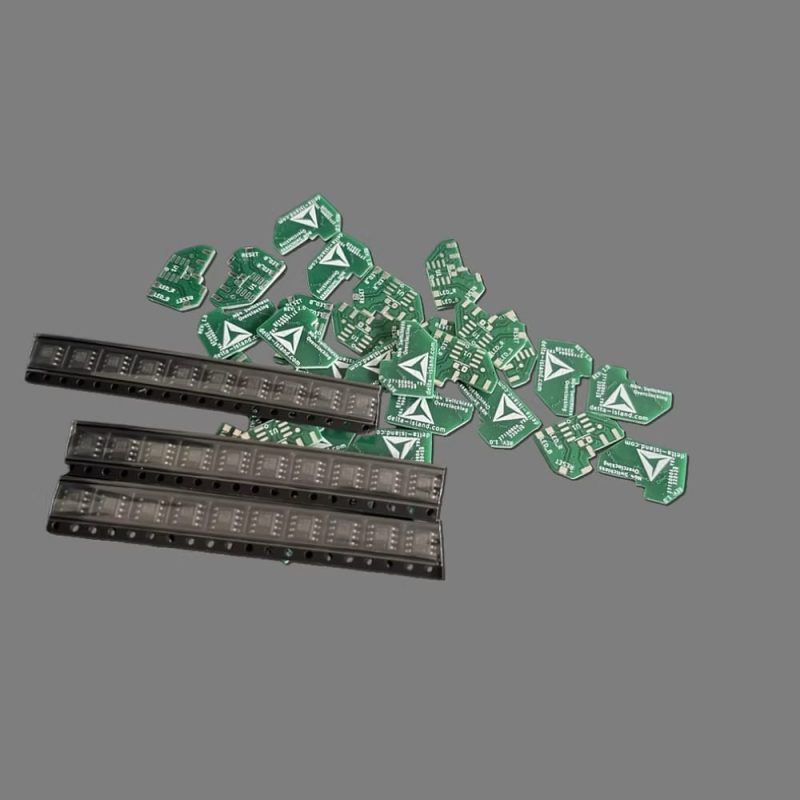
Modding retailer Moddern Castle has listed a new hardware modification for the Nintendo 64, titled the Delta Island N64 Switchless Overclock. The kit is designed to increase the operating frequency of the console’s NEC VR4300 CPU, a technique often employed to smooth out frame-rate inconsistencies in demanding titles such as GoldenEye 007 and Perfect Dark.

Switchless Implementation

Unlike traditional overclocking modifications, which frequently require users to drill holes in the console shell to mount physical toggle switches, the Delta Island kit utilises a “switchless” design. The installation sits entirely within the chassis, detecting inputs from the console’s existing Reset button to cycle through performance profiles.

According to the product documentation highlighted by RetroRGB, the board supports four distinct speed multipliers:

  • 1.0x (Stock): Standard 93.75 MHz operation.
  • 1.5x: Approximately 140 MHz.
  • 2.0x: Approximately 187 MHz.
  • 3.0x: Experimental high-speed mode (stability varies significantly by silicon quality).

Visual feedback is provided via an onboard LED, which changes colour to indicate the active clock speed (e.g., Green for stock, Blue for 1.5x). This LED can be installed in the N64’s power light diffuser or explicitly routed to a vent for visibility.

Performance and Compatibility

The primary utility of overclocking the Nintendo 64 lies in addressing the hardware limitations that plagued specific 3D titles in the late 1990s. Games that rely on uncapped frame rates often see stabilised performance at 1.5x or 2.0x speeds.

However, compatibility is not universal. As the N64 library contains titles where game logic is tied directly to the CPU clock, increasing the frequency can result in gameplay running at accelerated speeds or introducing audio de-synchronisation. The ability to revert to the 1.0x “Stock” profile via the Reset button allows users to retain full compatibility with the standard library without removing the hardware.

Installation Requirements

The installation process involves precise soldering work. Users must lift specific pins on the console’s CPU and bridge them to the Delta Island PCB. Consequently, this modification is categorised as intermediate-to-advanced, carrying a risk of damaging the mainboard if performed incorrectly.

The kit is currently available through the Moddern Castle storefront for $24.99.

Famidash brings Geometry Dash to the Nintendo NES

From the RetroShell news archive. Originally published 2025-11-20 on our former news site and restored here.

The high-octane, rhythm-based frustration of the modern classic Geometry Dash has found an unlikely new home on 8-bit hardware. A developer known as Oziphantom has released Famidash, a fully functional demake of the popular platformer, designed specifically to run on the Nintendo Entertainment System (NES). This project translates the precise timing and psychedelic visuals of the original game into a format that the 40-year-old console can handle, without sacrificing the speed that makes the title so addictive.

Famidash is not merely a static tech demo; it is a playable recreation that pushes the NES hardware to its limits. The game features the signature auto-scrolling gameplay where players must navigate a geometric avatar over spikes and obstacles in time with the music. Impressively, the port maintains a fluid frame rate—essential for a game requiring such pixel-perfect reaction times. The project also includes chiptune renditions of the soundtrack, adapting the heavy electronic beats of the original into the distinct square waves of the NES’s 2A03 sound chip.

The release highlights the continued versatility of the NES homebrew scene. While the console is often associated with slower-paced platformers, Famidash demonstrates that with optimised code, the system is capable of fast, responsive action that rivals modern indie titles. The ROM file is available to download for free (though donations are encouraged) from the developer’s Itch.io page, allowing it to be played via emulation or on original hardware using a flash cart such as the EverDrive N8.

For anyone who wants a fresh challenge that blends modern game design with genuine retro limits, Famidash is a fascinating experiment. The visuals may be simple and the hardware ancient, but the addictive feeling of a perfectly timed jump remains as strong as ever.

Ridge Racer Fan Port Brings 3D Drifting to GBA

From the RetroShell news archive. Originally published 2025-11-18 on our former news site and restored here.

Ridge Racer GBA enthusiasts can finally experience Namco’s iconic 1993 arcade racer on Nintendo’s beloved handheld, thanks to programmer Gustavo Valiente’s remarkable technical achievement (you can check out his Itch page here).

His RR Project brings the original game’s signature drift mechanics and challenging tracks to hardware that was never designed to handle such demanding 3D racing action. Valiente spent months developing this impressive port from scratch, utilising his custom Butano engine written in modern C++ to overcome the Game Boy Advance’s limitations.

Meanwhile, the developer chose flat-shaded polygons to ensure smooth performance, resulting in cars and road surfaces that maintain the original’s fluid motion. Consequently, players can now enjoy the same addictive cornering and precision drifting that made the arcade version so compelling. Furthermore, Valiente’s technical wizardry preserves the core racing experience where shaving seconds off lap times through perfect drift control remains paramount.

Additionally, this achievement demonstrates how modern programming techniques can breathe new life into classic gaming hardware. The project stands as testament to both the enduring appeal of Ridge Racer and the Game Boy Advance’s untapped potential. Therefore, retro gaming fans now have another reason to dust off their handhelds for some proper arcade racing action.

Sign up for our free weekly Retro Gaming Substack and get all of the weeks hottest news delivered to your inbox each Monday.

WonderSwan Set for Major Relaunch with New ‘NileSwan’ SD Flash Cart

From the RetroShell news archive. Originally published 2025-11-17 on our former news site and restored here.

Bandai’s cult-classic handheld, the WonderSwan, is receiving a fresh lease on life thanks to a new, feature-rich flash cart from developer 49bitcat. The ‘NileSwan’, which has been in development for some time, is set to provide a much-needed modern solution for enthusiasts of the Japan-only console, finally adding support for loading games from a standard SD card. This is a significant improvement over existing options, such as the Flash Masta, which requires users to connect the cart directly to a PC to upload a limited number of games.

Set in a transparent shell, the NileSwan functions much like a modern ‘EverDrive’ or R4 cart, presenting a simple menu from which to load game ROMs. The open-source, FPGA-based cart boasts an impressive feature list, including support for programs up to 16 MiB, emulation for all save types (SRAM, EEPROM, and NOR Flash), and, critically, Real-Time Clock (RTC) emulation. This will allow fan-translated games that relied on an internal clock to be fully playable. The cart also includes an accelerometer for homebrew projects, battery backup for save data, and hard gold contacts for better longevity.

The project is compatible with the entire console family: the original monochrome WonderSwan, the WonderSwan Color, and the SwanCrystal. This new device not only simplifies playing the system’s library of games, many of which now have fan translations, but it also opens the door for a new wave of homebrew development, thanks to its modern features and developer tools.

The first batch of the NileSwan is scheduled to go on sale via the official 49bitcat shop on 24 November 2025 at 16:00 GMT – however as of today, the launch has been delayed to a minimum of December 2025. The cart is priced at €85 / £75 / $98 (Approx. £75 / €85 / $98, based on current exchange rates; check local retailers for exact pricing). Given the console’s dedicated following, the initial batch is expected to sell out quickly.

New FirebrandX Guide Makes SNES Audio Ripping Easy

New FirebrandX Guide Makes SNES Audio Ripping Easy

From the RetroShell news archive. Originally published 2025-11-17 on our former news site and restored here.

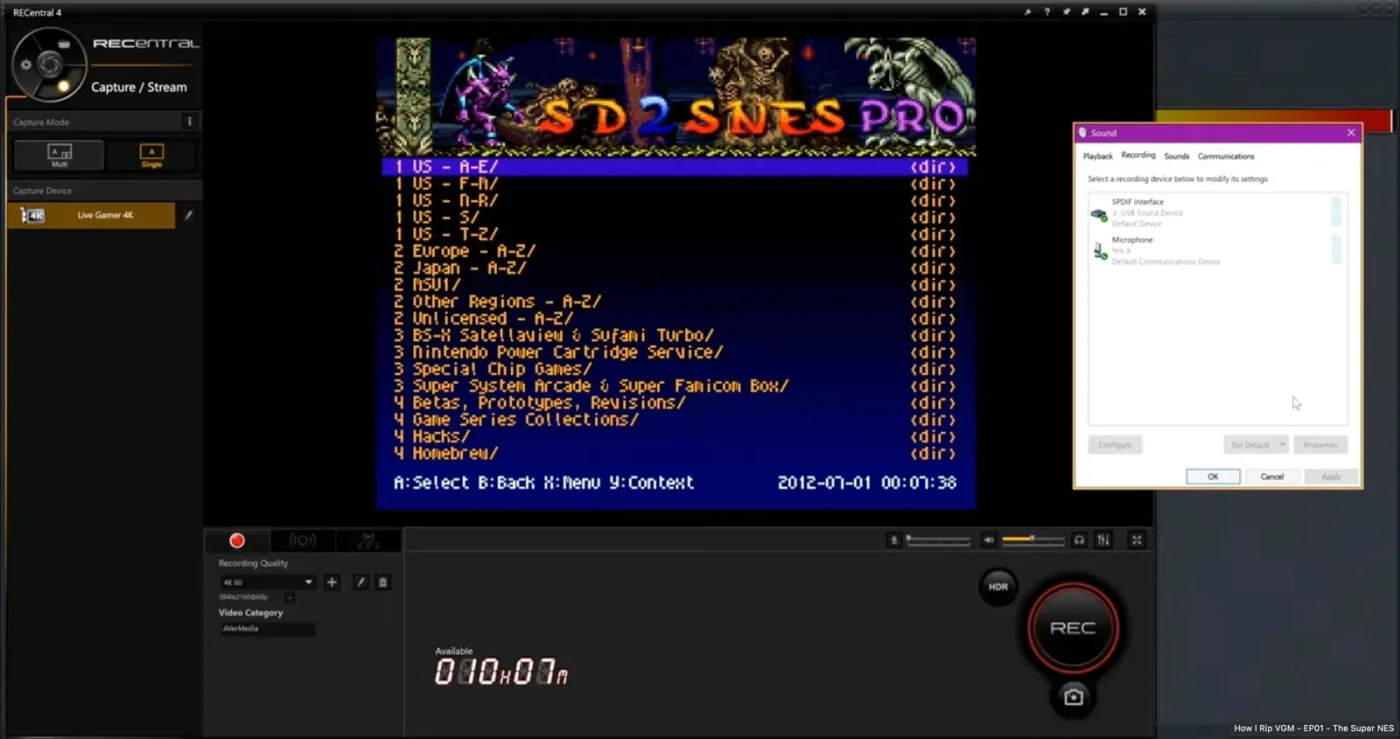
SNES audio ripping has just become significantly more accessible thanks to a new tutorial from preservation expert FirebrandX, demonstrating how to capture the console’s distinctive digital sound.

The technique reveals that while the process itself is straightforward, it requires some clever workarounds to accommodate the Super Nintendo’s unique audio timing – specifically recording at an intentionally incorrect sample rate before adjusting to match the console’s peculiar clock speed during post-processing.

FirebrandX’s video guide, available through his Patreon channel, demonstrates the entire process using a budget SPDIF USB sound card that typically retails for under £15 (approx. €18 / $20, based on current exchange rates; check local retailers for exact pricing) – here is the one on Amazon.com that was recommended on the video.

Consequently, what was once specialist territory for audio engineers has now become feasible for dedicated enthusiasts. Furthermore, the method preserves the authentic character of the SNES sound chip without the compromises often found in emulated alternatives.

The preservation expert provides comprehensive guidance through the recording phase, though he initially omitted the crucial saving procedure. Accordingly, he later supplied detailed screenshots showing exactly how to export the captured audio. The recommended workflow involves navigating to File → Save As in your audio software, selecting FLAC format from the dropdown menu, then configuring the attributes to ‘Maximum Compression, 16-bit, Stereo’ before finalising the export. This approach ensures archival-quality preservation while maintaining manageable file sizes.

For those interested in the technical specifics behind SNES digital audio, RetroRGB’s dedicated resource page offers deeper background on the console’s audio capabilities. Meanwhile, this new tutorial represents another significant step forward in game preservation, making professional-quality audio extraction accessible to the wider retro gaming community. The timing is particularly fortuitous as interest in authentic retro sound continues to grow among both collectors and modern game developers seeking inspiration from classic titles.

Sign up for our free weekly Retro Gaming Substack and get all of the weeks hottest news delivered to your inbox each Monday.

RetroTINK Dreamcast VGA Dongle Launches for £16

RetroTINK Dreamcast VGA Dongle Launches for £16

From the RetroShell news archive. Originally published 2025-11-17 on our former news site and restored here.

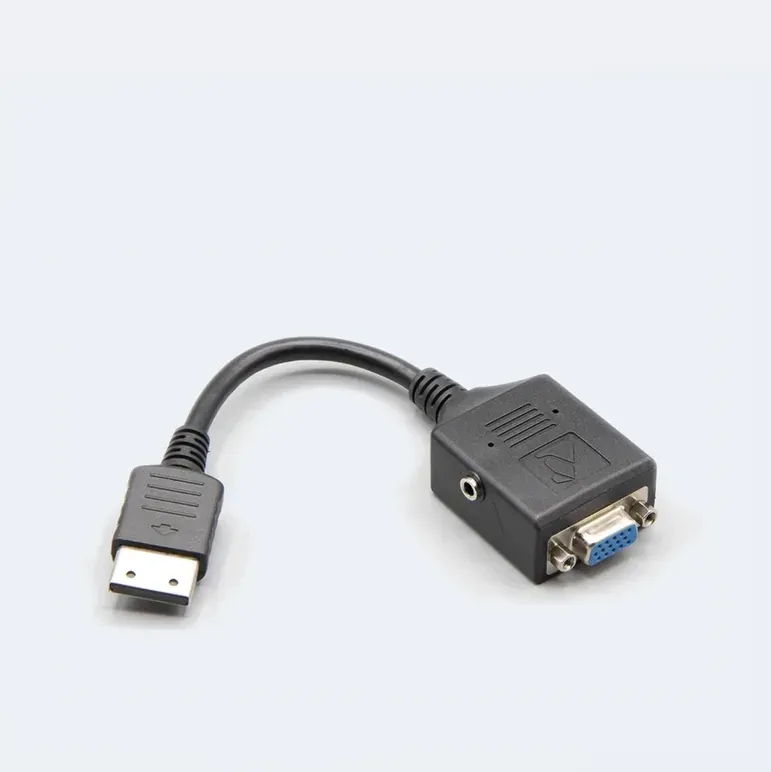
The latest RetroTINK dongle has arrived, bringing premium VGA connectivity to Sega’s beloved Dreamcast console.

Mike Chi’s newest creation offers a fully-shielded VGA and audio breakout solution that promises to deliver crystal-clear 480p output for retro gaming enthusiasts seeking the definitive Dreamcast visual experience.

Priced at $20 (approx. £19 / €24, based on current exchange rates; check local retailers for exact pricing), this compact adapter essentially functions as a high-quality VGA cable in dongle form. The design allows users to choose different length VGA cables while maintaining reliable, fully-shielded signal transmission from their Dreamcast. Consequently, this provides flexibility without compromising on the quality that RetroTINK products are known for throughout the retro gaming community.

However, it’s crucial to understand this adapter’s specific functionality. Unlike other RetroTINK dongles, this model operates exclusively in 480p/31KHz mode and outputs RGBHV signals. Therefore, it won’t work with SCART equipment even when using an HD15 to SCART cable. Furthermore, the passive sync combiner in such cables may encounter compatibility issues with Dreamcast hardware depending on your target display device.

Meanwhile, while cheaper alternatives exist on platforms like Amazon, the RetroTINK solution offers consistent reliability that budget options often lack. The build quality ensures proper shielding and stable performance, making it worth the slight premium for serious retro gamers. When paired with a quality VGA cable, this dongle creates a top-tier visual setup that does justice to the Dreamcast’s impressive 480p capabilities.

The dongle is currently in stock and available directly from RetroTINK, joining their growing family of retro gaming connectivity solutions. For Dreamcast owners chasing the perfect VGA output, this represents another thoughtful addition to the preservation and enhancement of classic gaming hardware.

Sign up for our free weekly Retro Gaming Substack and get all of the weeks hottest news delivered to your inbox each Monday.