Author Archives: Owen

The Ingenious Super Game Boy: Bringing Game Boy Games to Your SNES with Hidden Secrets!

In the mid-’90s, Nintendo delivered one of its most groundbreaking peripherals: the Super Game Boy. Designed for the Super Nintendo Entertainment System (SNES), this add-on was nothing short of revolutionary, allowing players to enjoy their Game Boy games on the big screen. Released in 1994, the Super Game Boy bridged the gap between handheld and console gaming, offering a whole new dimension to fans of classics like Metroid II: Return of Samus and Killer Instinct.

A Technical Marvel

Unlike modern emulators, the Super Game Boy wasn’t just software running on the SNES. Instead, it contained nearly identical hardware to an original Game Boy. The add-on housed the same CPU, RAM, and VRAM as its handheld counterpart. This design allowed for full compatibility with Game Boy games, including those compatible with the Game Boy Color—a significant feat for the time.

One fascinating detail was how the Super Game Boy synchronized its processing speed with the SNES’s internal clock. However, this setup caused a slight speed difference, making the Super Game Boy run about 2.4% faster on NTSC systems and 1.5% faster on PAL systems. While most players didn’t notice, this discrepancy was significant enough to ban the peripheral from official speedrunning competitions.

Enhanced Gaming Experiences

The Super Game Boy wasn’t just a tool for playing handheld games; it elevated them. Players could customise the colour palette, choosing from 32 predefined options or creating unique combinations. Some games even detected the Super Game Boy to display enhanced visuals, including custom borders and expanded colour palettes. Notably, Kirby’s Dreamland 2 and Pokémon Yellowshowcased improved colour integration, adding layers of depth to their visuals.

Other titles, like Donkey Kong (1994), went a step further by dynamically changing palettes for different levels and menus. And for the few games that embraced the SNES’s superior audio capabilities, the results were stunning—Animaniacs replaced its entire soundtrack with an enhanced version, while Bomberman GB introduced upgraded sound effects.

Multiplayer and Hidden Surprises

One often overlooked feature was the second controller support. This allowed for multiplayer experiences in games like Killer Instinct, without the need for a link cable. And then there was Space Invaders, which included a hidden SNES game that transformed the humble Game Boy title into a 16-bit arcade masterpiece when accessed through the Super Game Boy.

A Legacy of Innovation

Though the Super Game Boy’s original iteration had some quirks, Nintendo refined it with the Super Game Boy 2, released exclusively in Japan. This updated version corrected clock speed issues and added link cable support, ensuring even better compatibility.

Today, the Super Game Boy remains a beloved relic of Nintendo’s innovative history. Whether you’re a retro collector or simply looking to revisit your childhood favourites, it’s a device that continues to impress.

So, what’s your favourite memory of the Super Game Boy? Whether it’s creating custom palettes or discovering hidden features, there’s no denying this peripheral’s impact on retro gaming culture.

Explore RetroShell’s collection of Nintendo SNES Premium Game Box Protective Cases to preserve your Super Game Boy memories for years to come.

Inspired by:

The Rise and Fall of Sega: An Odyssey through the Saturn Era

Sega’s journey in the gaming industry is a remarkable and often tumultuous saga that captures the volatile landscape of video game console rivalry, especially during the 1990s. Known as a pioneer in gaming technology, Sega not only set trends but also faced failures that reshaped the market. This summary will explore their ambitious yet misguided journey with the Sega Saturn, chronicling its initial promise, missteps, and the resulting legacy.

Introduction to Sega

  • Founding Year: Sega began as ‘Standard Games’ in 1940, primarily producing arcade games in Hawaii. By 1952, the company transitioned to Japan, becoming ‘Service Games of Japan.’
  • Market Transition: Sega initially thrived in the arcade sector, pivoting from mechanical games to groundbreaking console products in the early 1990s.

Sega’s peak came with the Genesis (or Mega Drive), launched in 1988-89, which spearheaded its success in Western markets by outpacing Nintendo at a vital time.

Sega’s Golden Era

The early 90s saw the rise of Sonic the Hedgehog, the company’s vibrant mascot who characterized a new era. Sega’s marketing campaigns were fierce, creating popular slogans like “Sega does what Nintendon’t,” directly challenging Nintendo’s dominance.

  • Market Strategy: Sega hired Tom Kalinske as President of Sega of America, who employed aggressive marketing tactics that propelled the Genesis into the forefront, resulting in a three-year lead over the Super Nintendo.

Enter Saturn

The Development Phase

  • Beginning: The Saturn was initially designed to showcase state-of-the-art 2D and 3D capabilities due to emerging competition from the Panasonic 3DO and Atari Jaguar.
  • Hardware: It boasted innovative specs—two CPUs (Hitachi’s SH-2 chips), dual Video Graphics Processors, and high-quality sound capabilities.

Despite promising features, concerns about competition led the team to hastily alter the planned release schedule, reflecting an uncharacteristic panic that derailed their earlier confidence.

Stumbling at Launch

E3 1995 Disaster

  • Surprise Launch: On May 11, 1995, during E3, Sega unveiled the Saturn with a shocking announcement that it was available immediately at an initial price of $399.
  • Market Backlash: The early release—meant to undermine the upcoming PlayStation—backfired spectacularly. Retailers, who were left unprepared, were enraged, and the insufficient supply (30,000 units) designed for launch worsened the perception of Sega’s mismanagement.

Sony’s Counterattack

  • The Mic-Drop Moment: Sony’s Steve Race followed up by dropping the price of PlayStation to $299, swiftly becoming the more attractive option. The move devastated Sega’s stance in the market.

An Uneven Battlefield

Hardware Complications

Despite an innovative vision, the Saturn’s complex hardware configuration made it difficult for developers. Notable issues included:

  • Lack of User-Friendly APIs: Unlike PlayStation, which provided tailored development tools, Sega’s unclear documentation resulted in a confused developer base.
  • Limited Games: The Saturn launched with only five titles, lacking sufficient exclusives to entice gamers, impacting its reception adversely.

Market Fragmentation and Internal Politics

The Disastrous 32X

  • Dual Systems: The release of the 32X, seen as a bridge between the Genesis and Saturn, inadvertently confused consumers and split Sega’s audience, crippling their marketing efforts.
  • Failure to Capture Momentum: After the Saturn’s rush to market, many titles developed for the 32X did not contribute meaningfully to the Sega brand.

Growing Divisions

Tensions grew internally between Sega’s American and Japanese divisions, leading to strategic misalignments that ultimately resulted in their decline, as detailed by Kalinske’s experiences.

Key PlayersImpact on Market
Tom Kalinske (USA)Successful marketing, initial console dominance
Hayao Nakayama (Japan)Stringent control, limited vision for the international market

Identifying the Problems

  1. Flawed Marketing Strategy: Marketing blitzes were overshadowed by poor launch decisions and confusing consumer offers.
  2. Missed Opportunities: Significant games such as Sonic X-Treme fell victim to internal squabbles, exemplifying the curse of over-ambition entangled in ambition.

The Diminishing Legacy

The Post-Saturn Years

By 1998, with the Saturn officially discontinued after only three years and underwhelming sales of 9.26 million units, Sega struggled to regain market viability.

  • The Dreamcast Era: Though the Dreamcast emerged with some technical superiority, it inherited the negative perceptions lingering from Saturn’s chaotic processes.

Conclusion: The End of an Era

Sega’s story, especially regarding the Saturn, is a profound reminder of how company politics and management decisions can critically impact a product’s market success. The Saturn may have represented the peak of Sega’s engineering ambition and creativity, yet ultimately became a cautionary tale amidst fierce competition.

Embracing rapid advancement in technology while maintaining clarity in product development will be a challenge for future console manufacturers. Sega’s bold ambitions in the console wars showcased their innovative spirit, but an overzealous strategy combined with pivotal misjudgments ultimately hindered their fate. They played their cards early, demonstrated panic amidst competition, and unfortunately, lost much more than just a console.

Sonic Robo Blast 3D 32X – A New Dimension for the Sega 32X

The development team behind Sonic Robo Blast 2 has unveiled Sonic Robo Blast 3D 32X, a fan-made 3D Sonic game designed for the Sega 32X add-on. This project brings a new 3D adventure to the classic hardware, showcasing the capabilities of the 32X.

Key Features:

3D Gameplay: Experience Sonic in a fully 3D environment, with gameplay reminiscent of the classic titles.

Authentic Hardware Experience: Designed to run on original Sega 32X hardware, providing an authentic retro gaming experience.

Fan-Made Project: Developed by the creators of Sonic Robo Blast 2, this project is a testament to the dedication and passion of the Sonic fan community.

For more information and to download the game, visit: Sonic Robo Blast 3D 32X

Japan’s Hidden Sonic Games: A Treasure Trove of Forgotten Adventures

Introduction to Sonic’s Japanese Exclusives

Sonic the Hedgehog is a worldwide icon, but did you know Japan has hoarded some exclusive Sonic games over the years? While some titles have since been re-released or made available through collections, many of these obscure gems were originally Japan-only, offering a unique glimpse into Sega’s experimental creativity during Sonic’s early years. Let’s explore the quirkiest, most fascinating Sonic titles that made their debut in Japan before the rest of the world ever knew they existed.

Sonic Eraser (1991): The Puzzle Game Nobody Knew About

Sonic’s first spin-off, Sonic Eraser, was a falling block puzzle game released on the Sega Mega Drive’s Mega Net subscription service. Its gameplay mirrored titles like Columns but with Sonic occasionally emoting in the corner. Available exclusively to Japanese subscribers of Sega’s early online gaming platform, Sonic Eraser was largely forgotten after Mega Net shut down in 1992. It wasn’t until Sega re-released the game on its B Club website in 2004 that fans unearthed this peculiar chapter in Sonic’s history.

Sonic Drift (1994): Sonic’s First Racing Game

Released on the Game Gear, Sonic Drift marked Sonic’s first venture into racing. Featuring Sonic, Tails, Amy, and Dr. Eggman competing across six tracks inspired by Sonic the Hedgehog zones, the game struggled with clunky controls and repetitive gameplay. Critics compared it unfavorably to Super Mario Kart. Its sequel, Sonic Drift 2, introduced characters like Knuckles and Metal Sonic but failed to significantly improve the series’ reputation.

Tails’ Sky Patrol (1995): A Shooter with a Disney Connection?

One of Tails’ rare solo adventures, Tails’ Sky Patrol, was a side-scrolling shooter featuring a golden-ring-wielding Tails navigating through a mysterious island. Originally intended as a standalone game unrelated to Sonic, it reportedly had ties to Disney before being repurposed for the Game Gear. The game introduced Witchcart, a villain whose design drew comparisons to Disney’s Castle of Illusion.

Sega Sonic Arcade Machines: Patrol Cars, Track Balls, and Popcorn

Waku Waku Sonic Patrol Car (1991)

This interactive arcade ride saw Sonic becoming a policeman, teaching kids about justice while chasing down Dr. Eggman for traffic offenses. Featuring Sonic’s first-ever voice acting, this charming ride combined gameplay with physical movement for a uniquely immersive experience.

Sega Sonic the Hedgehog (1993)

This trackball-controlled arcade game introduced Mighty the Armadillo and Ray the Flying Squirrel. Players guided the trio through isometric stages, escaping Eggman’s traps. While its innovative controls added a layer of challenge, it remains a beloved relic of Sonic’s experimental arcade ventures.

Sega Sonic Popcorn Shop (1993)

Blending gaming and snacks, this arcade machine let players help Sonic make popcorn by dodging Eggman’s attacks. After a short mini-game, players received freshly popped popcorn. Its legacy endures, with a nod to the machine appearing in Sonic Mania’s Studiopolis Zone.

Sonic Cafe: Mobile Games Before Smartphones

Launched in 2007, Sonic Cafe was a subscription-based mobile service in Japan featuring over 35 Sonic-themed games, from board games like Sonic Gammon to quirky experiments like Sonic Hopping—a pogo-stick puzzle game. Highlights included Sonic Golf 3Dand Shadow Shoot, a promotional tie-in for Shadow the Hedgehog.

One particularly intriguing entry was Nakayoshi Chao, a virtual pet game where players could raise a Chao on their mobile devices. Sadly, this game is now lost to time, with only a few screenshots surviving.

Conclusion: A Treasure Trove of Forgotten Adventures

From puzzlers to popcorn machines, Japan-exclusive Sonic games reflect Sega’s relentless creativity and willingness to experiment with their mascot. While many of these titles remain obscure or lost, they continue to capture the imagination of fans eager to uncover every corner of Sonic’s history.

If you’ve experienced any of these hidden gems—or if you happen to track down the elusive Cotton Candy Scramble machine—let us know in the comments below.

Source: Exploring Japan-Exclusive Sonic Games

Metroid Origins: The Birth of Samus Aran and the Start of an Iconic Saga

Introduction to the Galaxy’s Greatest Bounty Hunter

Samus Aran, the galaxy’s most famous bounty hunter, made her debut in 1986 with the original Metroid for the NES. Tasked with infiltrating the planet Zebes, eliminating the dangerous Metroids, and taking down the Space Pirates, her journey became a cornerstone in gaming history. This month, we dive into Samus’s origins, the evolution of her story, and the pivotal games that established Metroid as a genre-defining franchise.

The Galactic Federation and the Space Pirates

Set in the year 20X5, Metroid introduces a galaxy teetering on the edge of chaos. The Galactic Federation, established to foster peace among planets, faces a growing threat from Space Pirates. These marauding criminals steal an alien life form, the Metroid, capable of multiplying rapidly and draining life energy from its victims.

When the Federation Police fail to reclaim the stolen Metroid, they turn to Samus Aran, a mysterious bounty hunter renowned for her skill and resilience.

The Original Metroid: A Groundbreaking Adventure

Developed for the NES, Metroid was a trailblazer, blending platforming, exploration, and atmospheric storytelling. Players guided Samus through the labyrinthine caves of Zebes, searching for upgrades and facing the deadly Space Pirate commanders, Kraid and Ridley. The final showdown with Mother Brain, the Pirates’ cybernetic leader, cemented Metroid’s place in gaming history.

And then came the twist. Players who completed the game quickly were shocked to discover Samus removing her helmet, revealing her true identity as a woman—a groundbreaking moment in gaming that challenged gender norms and solidified her as an icon.

Expanding the Universe: Metroid II and Super Metroid

Metroid II: Return of Samus (1991)

Released for the Game Boy, this sequel shifted focus to SR388, the Metroids’ home planet. Tasked with exterminating the Metroid species, Samus encounters their evolutionary forms, from the Alpha stage to the ferocious Queen Metroid. The game concludes with a twist: Samus spares a baby Metroid that imprints on her, setting the stage for future installments.

Super Metroid (1994)

Considered one of the greatest games of all time, Super Metroid revisits Zebes with a cinematic flair. Samus tracks Ridley, who has stolen the baby Metroid, leading to an emotional climax as the baby sacrifices itself to save her. This installment introduced new abilities, such as diagonal aiming and the grappling beam, and refined the series’ exploration-based gameplay.

Samus’s Origins: The Chozo and Metroid Zero Mission

Over time, the series delved deeper into Samus’s backstory, revealing her childhood on K-2L, a colony destroyed by Space Pirates. Orphaned, Samus was adopted by the Chozo, an advanced bird-like race, who infused her with their DNA and equipped her with the Power Suit.

This origin story was further explored in Metroid Zero Mission (2004), a remake of the original Metroid. The game added new lore and an extended epilogue, where Samus, stripped of her Power Suit, infiltrates a Space Pirate mothership in her Zero Suit.

Legacy and Evolution

Samus’s journey continued through groundbreaking titles like Metroid Prime and Metroid Fusion, each expanding the lore and refining the gameplay. In 2017, Metroid: Samus Returns, a remake of Metroid II, revisited SR388 with modern mechanics and stunning visuals, solidifying her legacy for a new generation.

Conclusion: A Hero for the Ages

Samus Aran’s story is one of resilience, tragedy, and triumph. From her humble beginnings on Zebes to her battles against the Space Pirates and beyond, she has become one of gaming’s most enduring icons. With each installment, Metroid continues to captivate players, blending atmospheric storytelling with innovative gameplay.

Source: Exploring Metroid’s Legacy

Ranking RoboCop Video Game Ports: From Bad to Best

The RoboCop Phenomenon in Gaming

Paul Verhoeven’s RoboCop (1987) captured the zeitgeist of the ‘80s with its mix of brutal action, satirical humor, and themes of corporate greed. Naturally, the movie’s success led to a slew of video game adaptations across various platforms. While the 1988 arcade game by Data East set a high standard, its many ports ranged from iconic to infamous.

In this ranking, we explore the highs and lows of RoboCop’s video game legacy, evaluating ports across 8-bit, 16-bit, and handheld systems.

The Worst Ports: Misfires in RoboCop’s Justice

Commodore 64 (1989)

A potentially great game ruined by a game-breaking bug in the drug factory stage. Players were literally unable to progress without community fixes introduced years later. Despite standout music by Jonathan Dunn, this version remains a disappointment.

TRS-80 (1988)

A rudimentary port plagued by laughable sound design and choppy gameplay. RoboCop’s voice here sounds more like Kevin McAllister’s Talkboy in Home Alone.

NES (1989)

The NES port deviates wildly from the source material, with bizarre additions like brown-beret-wearing children attacking RoboCop and malfunctioning stairs. While nostalgic for some, it fails to deliver a cohesive or faithful experience.

Decent but Flawed: 8-Bit Efforts

Apple II (1988)

An impressive effort considering the aging hardware, this version offers single-screen gameplay with decent visuals. However, frame drops and a lack of scrolling functionality hinder the experience.

MSX (1988)

Another limited 8-bit port that struggles with multiscreen scrolling and awkward controls. Though better than the TRS-80 version, it still falls short.

IBM PC (1988)

This DOS version boasts vibrant graphics but is hampered by jarring sound effects that overpower its music. Controls are serviceable, but the experience feels dated compared to other platforms.

The Handheld Standout

Game Boy (1990)

A solid 8-bit interpretation that avoids the pitfalls of its NES counterpart. Featuring smooth gameplay and decent visuals, this portable version does justice to the RoboCop legacy.

The Best 8-Bit Ports

ZX Spectrum (1988)

Despite its monochrome graphics, this port excels in gameplay smoothness and animation quality. With impressive voice synthesis and captivating music, it’s a fan favorite among Spectrum enthusiasts.

Amstrad CPC (1988)

A colorful and polished port that outshines its 8-bit peers. Responsive controls, accurate collision detection, and voice synthesis elevate it above the Spectrum and C64 versions.

16-Bit Excellence

Atari ST (1989)

This version features larger sprites and more accurate visuals compared to the 8-bit ports. While occasional lag and the distracting bezel around the gameplay screen are minor drawbacks, it remains a strong contender.

Commodore Amiga (1989)

The definitive RoboCop port. With a larger gameplay screen, smoother controls, and impressive voice synthesis, the Amiga version edges out its Atari ST counterpart. The shooting gallery mini-game between levels adds extra polish, making this port the most faithful to the arcade experience.

Final Thoughts: RoboCop’s Video Game Journey

From the broken frustration of the Commodore 64 port to the polished brilliance of the Amiga version, RoboCop’s video game adaptations vary wildly in quality. Each version reflects the limitations and ambitions of its respective platform, capturing different facets of Alex Murphy’s cybernetic crusade against crime.

Which version of RoboCop did you grow up with, and how does it rank in your nostalgia-fueled memories? Let us know in the comments below!

Source: Ranking RoboCop Ports.

👾 Retro Gaming Weekly News #0128

This is the last newsletter before Christmas, so I wish you all a merry Christmas wherever you are in the world and however, you are spending it. I hope you get lots of time to play some retro games.

My week in gaming this week has revolved around hacking a PS3 Slim and getting every conceivable Guitar Hero/Rock Band game installed on it, then realising I did not have a PS3 Guitar (only an Xbox 360 one) and appreciating how slow the network functionality is on the PS3 as I try and transfer files 🫠. Also, I have been working on making RetroShell a news website and sourcing and writing many news articles that we have been writing on X (so it looks like the sources are very RetroShell-heavy this week).

The latest newsletter includes 33 stories, featuring pre-orders for retro gems like Slipstream Deluxe Edition, a Shenmue fangame’s festive update, Sega’s Netflix-style service, and rankings of gaming’s iconic moments.

News

🎮 Pre-orders for Slipstream Deluxe Edition are now live for the Nintendo Switch and PS5, offering the ultimate arcade-racing nostalgia! [RetroShell] Link

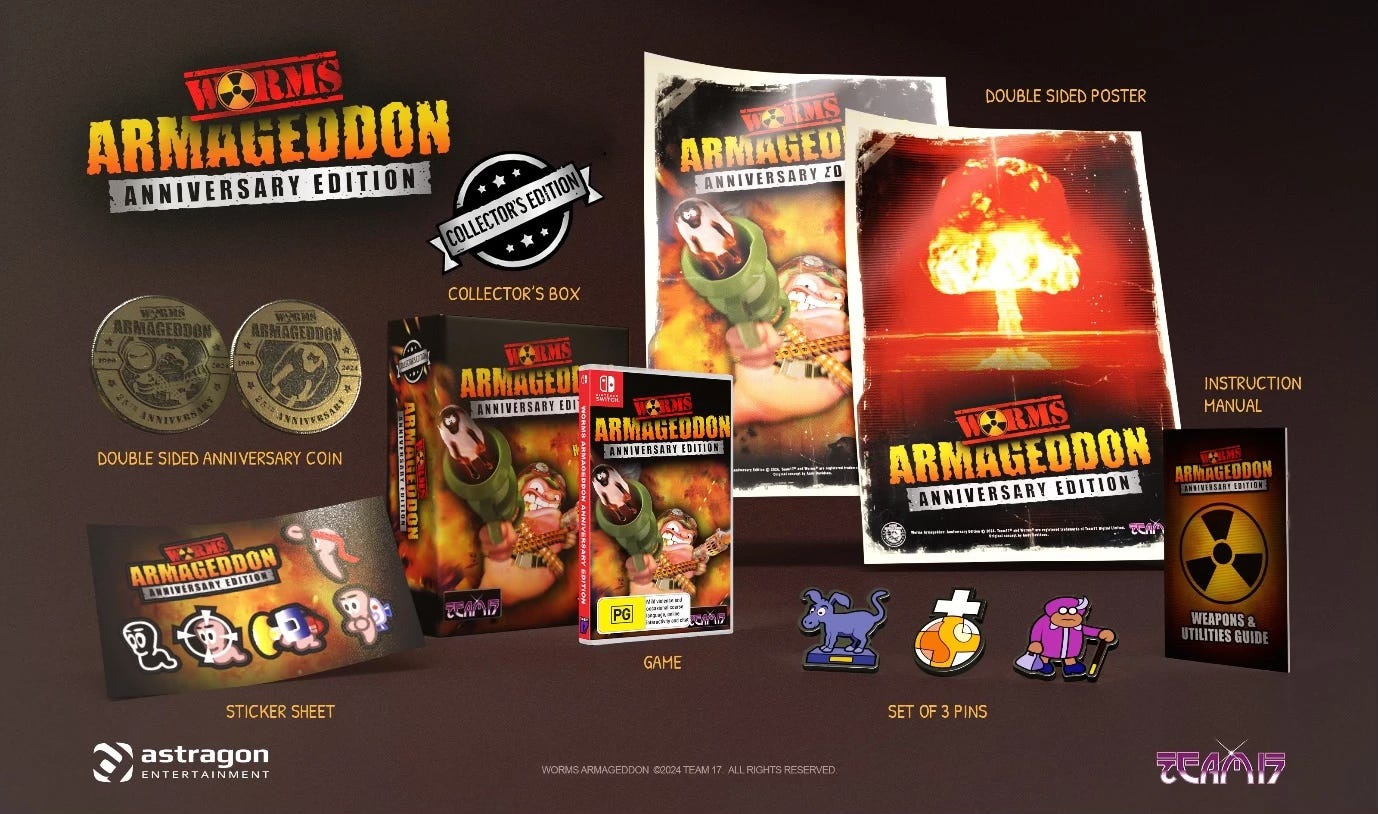
🐛 Celebrate the 25th anniversary of Worms Armageddon with a special Collector’s Edition packed with nostalgic goodies! [Otaku Study] Link

🎉 Celebrate the legacy of Gimmick! 2 with its stunning Collector’s Edition, now open for pre-orders on Switch and PS5. [RetroShell] Link

🎄Shenmue Fangame: Dreams of Saturn gets a festive update with bonkers new features for Christmas! [TimeExtension] Link

📖 Dive into The SNES Pixel Book, a beautifully illustrated celebration of the Super Nintendo’s glorious 16-bit era. (below) [RetroShell] Link

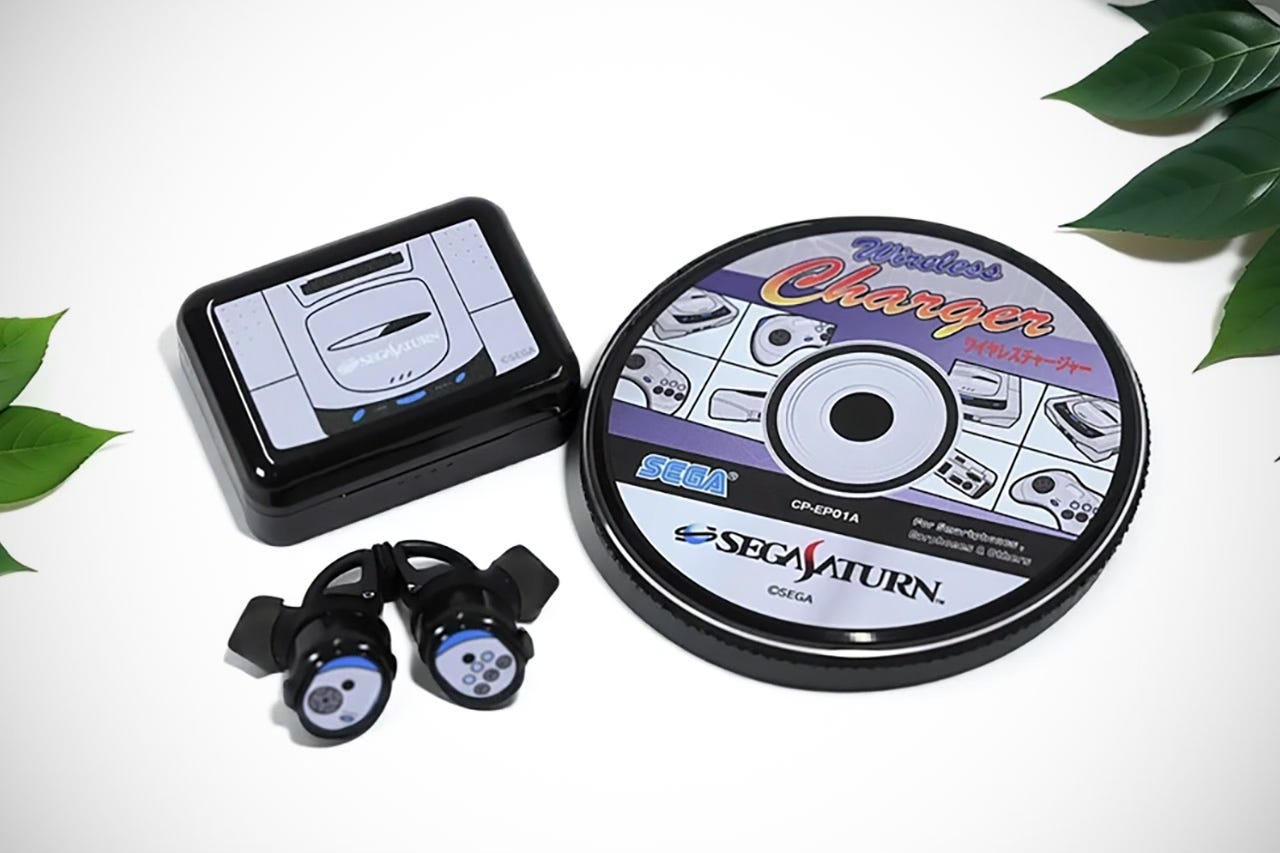
🎧 Onkyo teams up with Sega Saturn to release true wireless earphones, designed for fans of retro audio perfection. [TechEBlog] Link

🦁 A prototype of The Lion King SNES game from March 22, 1994, has been released, offering a fascinating glimpse into its development. [RetroShell] Link

📺 Sega considers launching a Netflix-style subscription service for its games, potentially changing the way retro titles are enjoyed. [GameRant] Link

🎲 Super Tilt Bro for the NES receives its first online update, marking a milestone for Wi-Fi cartridges in retro gaming. [RetroShell] Link

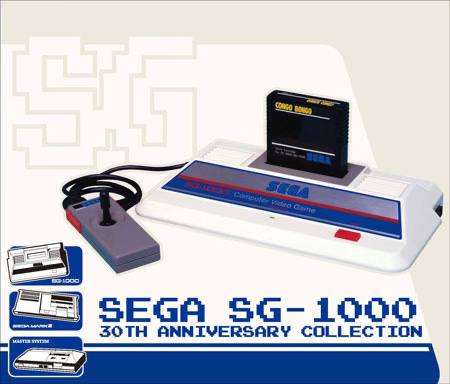
🎶 Sega fans rejoice! The SG-1000 30th Anniversary Collection takes you on a nostalgic musical journey through Sega’s early console era. [RetroShell] Link

🚗 BattleTanx for the N64 is back, with Limited Run Games opening pre-orders for a new cartridge release. [RetroShell] Link

🌍 Sam PR Explorer invites players on an Egyptian adventure with its brand-new MSX2 game. [RetroShell] Link

📱 A new multi-emulator for retro gaming has been launched on iOS, making it easier than ever to relive classics on the go. [Gearrice] Link

🌀 Relive the chaos! Sonic the Hedgehog 4 brings fresh adventures to the iconic blue blur’s legacy. [ScreenCrush] Link

🎅 The Shenmue fan game Dreams of Saturn is getting a crazy new Christmas update, packed with festive surprises! [Time Extension] Link

Features

🎮 Darkstalkers fans, rejoice! A developer shares exciting progress on a Sega Genesis fan project, breathing new life into the classic fighter. [RetroShell] Link

🕹️ Curious about playing SNES games on your Steam Deck? Here’s a guide to bringing your retro favourites to the modern handheld. [TechStory] Link

📦 ModRetro Chromatic Review: Is this modern device every retro gamer’s dream or just another pixelated promise? Find out! [Yahoo Tech] Link

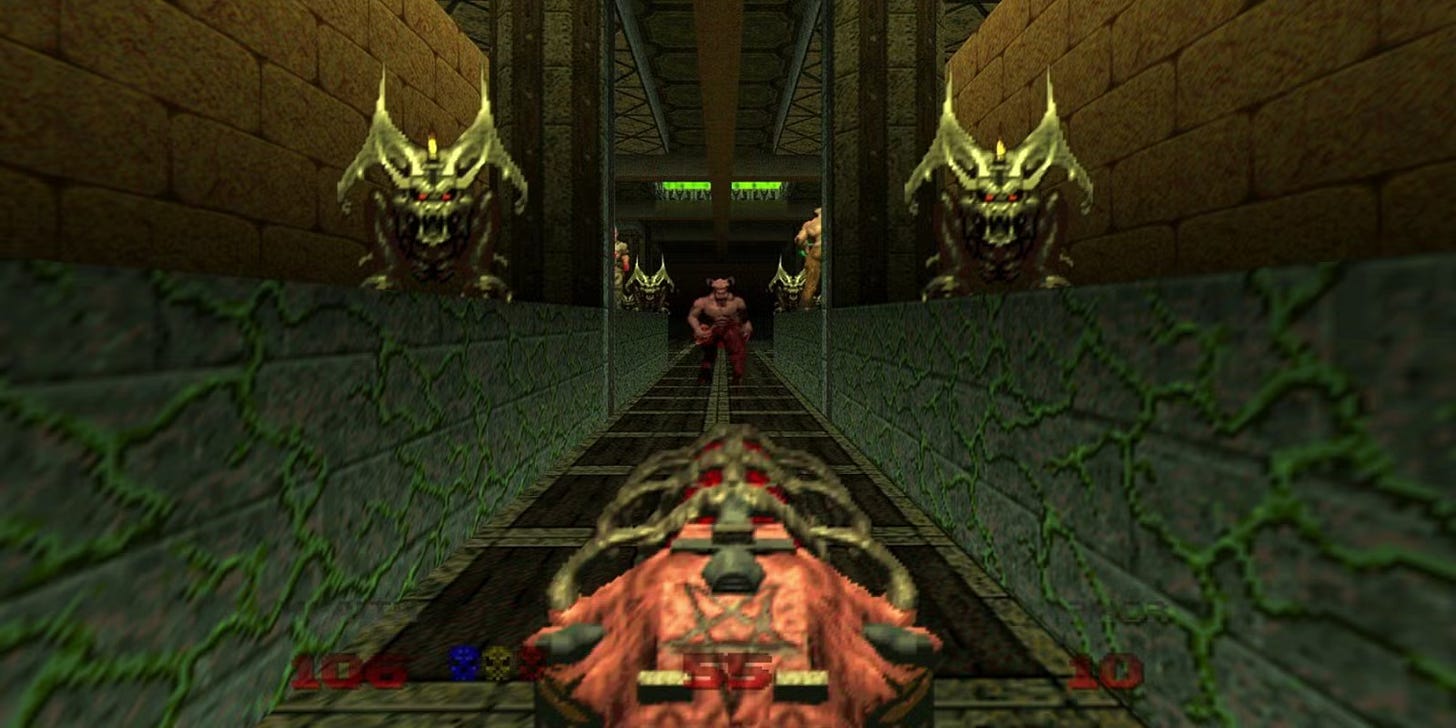
🔫 Doom 64 stands tall as one of the best in the series—discover why it’s a must-play on Nintendo’s iconic console. [CBR] Link

🛠️ Hidden gems: An N64 modder uncovers extra RAM in the Expansion Pak, sparking fresh possibilities for retro enthusiasts. (below) [GoNintendo] Link

📺 Sega Mini Consoles may not be done yet—insights into the company’s roadmap for tapping into nostalgia. [Rolling Out] Link

📖 Relive Hideo Kojima’s early brilliance—30 years ago, Snatcher debuted in America with its sole official release. [Paste Magazine] Link

⏳ Sega’s future lies in its past? A bold statement from the company as it balances innovation with nostalgia. [The Guardian] Link

🥋 Rise of the Robots and its lesser-known sequel—how a forgotten fighter became the talk of fans for all the wrong reasons. [EventHubs] Link

Lists & Rankings

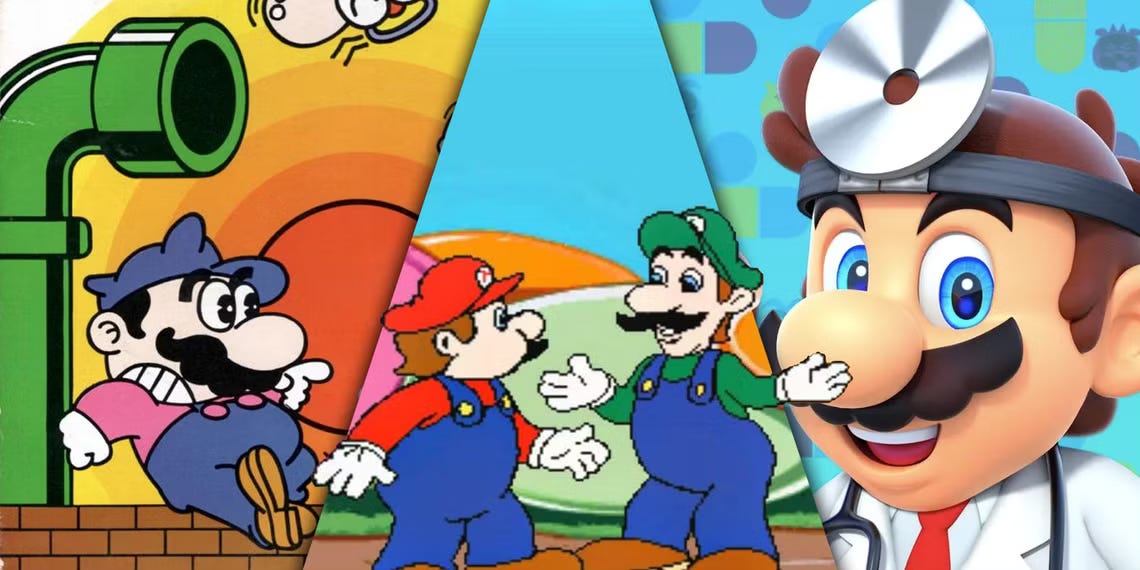
🎮 Ever wondered which Mario games appeared on non-Nintendo systems? Explore the plumber’s unexpected cameos across the gaming world. [CBR] Link

🚀 Some consoles were so ahead of their time they confused the market—discover the tech marvels that were misunderstood in their era. [CBR] Link

💪 The SNES boasted strong female leads—ranked here are the most iconic games showcasing their stories and impact. [GameRant] Link

🧛 Step into Dracula’s castle to rank the most intricately designed bosses from the Castlevania series—gory, gothic, and glorious. [CBR] Link

💰 Selling retro this Christmas? Here’s the golden list of the most expensive vintage consoles to flip for festive profits. [Golden Gate Media] Link

🎵 Retro consoles didn’t just play games—they were symphonies of sound. Dive into the best audio experiences of the golden age. [CBR] Link

🏢 Remember the studios that defined our childhoods? It’s a nostalgic tribute to the gaming legends that sadly closed their doors. [DualShockers] Link

📀 The Atari Lynx might’ve been overshadowed, but its game library was legendary. Here’s the definitive ranking of its best titles. [CBR] Link

🎨 The Game Boy Color isn’t just retro—it’s a treasure trove. Check out the hidden gems that still sparkle today. [Shacknews] Link

The Rise and Fall of Sega’s Ambitious Final Console

A Historic Launch: The Dreamcast’s Dazzling Start

September 9, 1999—Sega’s Dreamcast launched in the U.S. with unprecedented fanfare, generating nearly $100 million in sales within 24 hours. Boasting cutting-edge graphics, a built-in modem for online gaming, and a stellar lineup of launch titles like Soul Calibur and NFL 2K, the Dreamcast seemed destined for greatness. It was hailed as the biggest launch in entertainment history, surpassing the debuts of the PlayStation and Nintendo 64.

Yet, less than two years later, Sega would exit the console market entirely.

The Dreamcast’s Unique Vision

Sega envisioned the Dreamcast as a console ahead of its time, with features like:

Online Gaming: The first console with a built-in modem, paving the way for titles like Phantasy Star Online.

High-Quality Graphics: 128-bit processing power showcased in games like Shenmue and Jet Set Radio.

Innovative Hardware: A sleek design, a visual memory unit (VMU) for unique in-game experiences, and support for downloadable content (DLC).

Peter Moore, Sega of America’s marketing VP, described their mantra as: “We’re taking gamers where gaming is going.”

The Competition: PS2’s Shadow Looms Large

Despite its early success, the Dreamcast couldn’t escape the impending arrival of Sony’s PlayStation 2:

Unrivaled Hype: Sony’s marketing machine painted the PS2 as not just a gaming console, but a revolutionary multimedia device with a built-in DVD player—a sought-after feature in 2000.

Developer Loyalty: Sony’s dominance with the original PlayStation ensured strong third-party support, which Sega struggled to secure for the Dreamcast.

Consumer Hesitation: Sony’s branding of the Dreamcast as a “transitional console” discouraged long-term investment from gamers and retailers.

Internal Struggles and Strategic Missteps

Sega’s challenges went beyond competition:

Lack of Third-Party Support: While titles like Shenmue and Sonic Adventure showcased Sega’s in-house talent, big publishers hesitated to commit. EA famously withheld its games from the Dreamcast, further hurting its appeal.

Lingering Saturn Scars: The Sega Saturn’s failure eroded consumer trust, leaving many hesitant to invest in the Dreamcast.

Financial Instability: Years of declining profits left Sega ill-equipped to compete with giants like Sony and the upcoming Microsoft Xbox.

Ahead of Its Time, but Misaligned with Its Era

The Dreamcast was a trailblazer, introducing concepts like online gaming, semi-open-world gameplay, and DLC long before they became industry standards. However, these innovations arrived before the market was ready to embrace them:

Phantasy Star Online was groundbreaking but released four years before World of Warcraft popularized MMOs.

• Sega’s online service, SegaNet, failed to attract a significant user base despite its promise.

• The console’s internet capabilities added costs that were challenging for Sega to recoup.

The Final Days: An Inevitable Decline

By late 2000, the Dreamcast’s fate was sealed. Despite early momentum, sales plateaued, and Sega couldn’t compete with the financial might of Sony or Microsoft. In January 2001, Sega announced its exit from the hardware business, transitioning to a third-party developer.

Legacy: The Dreamcast’s Enduring Impact

Though short-lived, the Dreamcast left an indelible mark on gaming:

A Cult Classic: Beloved by fans for its innovation and unique library, including titles like Crazy TaxiSkies of Arcadia, and Jet Set Radio.

Pioneering Online Play: Its emphasis on connectivity laid the groundwork for modern online console gaming.

Lessons in Risk: Sega’s boldness demonstrated both the potential and pitfalls of pushing the envelope too far, too soon.

Dreamcast: A Visionary Console Gone Too Soon

The Dreamcast’s story is one of ambition, innovation, and heartbreak. While it ultimately fell victim to a rapidly evolving industry, its influence can still be felt today. For those who experienced it, the Dreamcast remains a symbol of what gaming could—and can—be.

Source: The Rise and Fall of the Dreamcast by IGN.

Battle Marine Shoots Its Way onto Sega Game Gear

Battle Marine, the naval-themed shoot ’em up by SUZUKIPLAN, has been successfully ported to the Sega Game Gear and is now available on cartridge. Originally released on Steam, this intense bullet-hell shooter challenges players to master laser attacks and tactical manoeuvres as they navigate increasingly challenging waves of enemies.

The Game Gear version comes with packaging that replicates the original Japanese design, making it a perfect addition for collectors and retro gaming enthusiasts. The cartridge is available internationally, offering fans a chance to experience this high-energy shooter on classic hardware.

For more information, visit: Battle Marine Game Gear Cartridge

Only 15% of Steam Users’ Playtime Dedicated to 2024 Releases: Analyzing the Trends

Recent data reveals that only 15% of Steam users’ total playtime in 2024 was spent on games released that year. This marks an increase from 9% in 2023, indicating a growing interest in new titles. However, a significant portion of playtime remains devoted to older games, with 47% spent on titles released in the last seven years and 37% on games eight years or older.

Key Insights:

Backlog Focus: Many gamers are dedicating time to their existing game libraries, possibly due to the vast selection of older titles available on Steam.

Affordability of Older Games: Frequent sales and discounts make older games more accessible, attracting players seeking cost-effective options.

Steam Deck Compatibility: The popularity of the Steam Deck may influence game choices, as older titles are often less demanding and more compatible with the handheld device.

Dominance of Live Service Games: Established live service games like Counter-Strike, Dota 2, and PUBG continue to dominate playtime, making it challenging for newer titles to capture significant player bases.

Extensive Game Library: With over 200,000 titles available on Steam, the sheer volume of older games naturally leads to a higher cumulative playtime compared to the approximately 18,000 games released in 2024.

While the 15% playtime for new releases shows an improvement from the previous year, it remains below the 17% observed in 2022. This suggests a gradual recovery in engagement with new titles, though older games continue to command a substantial share of players’ attention.

For a comprehensive analysis, read the full article: Only 15% of Steam users have played games released in 2024, but why?