Tokyo, December 26, 2024 – A recent survey conducted by Toys King, operators of “T-BASE JAPAN,” reveals that 70% of Generation Z (born between 1996 and 2012) are captivated by the revival of ‘retro culture’, with a significant focus on retro games. The survey, aimed at understanding the preferences and buying habits of this demographic, highlights the unique appeal and freshness of retro games as key factors driving this trend.
Key Findings from the Survey:
Interest in Retro Culture: About 60% of Generation Z expressed interest in retro culture, with 20.5% being “very interested” and 39.5% “somewhat interested.”
Popular Genres: The most popular genres within retro culture include miscellaneous goods (39.2%), food (38.4%), anime (37.4%), and games (36.9%), indicating a broad appreciation for nostalgic elements in daily life and entertainment.
The appeal of Retro Games: The allure of retro games lies in their “interesting” nature (46.9%), the unique enjoyment from a new perspective (38.8%), and habit-forming soundtracks (38.8%).
Buying Preferences: Approximately 60% of those interested in purchasing retro games prefer buying from physical stores, citing quality checks and the security of direct purchase as decisive factors.
Concerns with Online Purchases: Common anxieties include doubts about product authenticity, operational conditions of games, and the reliability of online transactions.
Why Retro Games?
Generation Z’s interest in retro gaming is driven by the desire to experience gameplay elements not found in modern video games, such as unique challenges, simple operations, and distinctive music and sound effects. This nostalgia combined with a fresh discovery aspect seems to be particularly engaging for young gamers.
Retail Experience:
For those looking to dive into the world of retro games, “T-BASE Shibuya PARCO Store” was recommended as a go-to destination. Located in Shibuya PARCO, it began handling retro games in August 2024, offering a range of vintage gaming experiences from the 80s and 90s.
Survey Details:
Conducted: October 17-18, 2024
Method: Online survey via PRIZMA
Participants: 1,004 Generation Z individuals
Source: Toys King (Yamato Co., Ltd.)
This trend underscores a broader cultural shift where the value of simplicity, challenge, and nostalgia in gaming is making a strong comeback, particularly resonating with a generation that values both novelty and history in their entertainment choices.
If you are a collector, and want to check out the world’s finest display cases for your retro collection, check out RetroShell’s range of premium protectors.
A nostalgic journey through gaming history awaits collectors and enthusiasts as Fabli launches pre-orders for their “Classic Game Expo Calendar 2025,” featuring iconic gaming systems from the 1970s and 1980s. The calendar showcases images from Isao Yamazaki’s acclaimed visual book “Classic Game Expo,” published by Rittosha. Customization and Pricing Customers can personalize their calendars by selecting from 57 historic photographs, with two size options available: • B4 size: 5,170 yen / €31.50 / £26.30 / $32.50 • A4 size: 4,270 yen / €26.00 / £21.80 / $26.90
Historic Coverage The calendar’s collection spans the evolution of gaming hardware, beginning with the world’s first home gaming console, the ODYSSEY, and extending to sophisticated vector-scanning devices like the Light Speedboat. Featured systems include pioneering consoles such as: • Early integrated consoles like TV Tennis PONG and TelespoBlack • Cassette-based systems including Channel F and Cassette Vision • Revolutionary gaming computers such as the Max Machine and SC-3000
This curated collection represents a comprehensive visual archive of gaming’s formative years, documenting the transition from simple integrated consoles to more advanced cassette-based systems and early gaming computers. Each image has been carefully preserved from the original publication, offering collectors and gaming enthusiasts a year-long celebration of video game history.
In the heart of Tokyo at the SIGGRAPH Asia 2024 conference, a remarkable endeavour was unveiled, one that delves into the rich cultural tapestry of video game creation. Four leading companies in the gaming world – Square Enix, Capcom, Taito, and Sega – have embarked on a journey to archive their historical development materials, transforming what was once deemed expendable into precious historical treasures for research and exhibition.
The Cultural Significance of Gaming Archives
Video games have evolved from mere pastimes to cultural phenomena, with their development materials from the 80s and 90s, like blueprints and sketches, becoming pivotal historical items. These artefacts provide insights into how games were conceptualized and crafted, fostering an understanding of the evolution of video game design, technology, and art.
Square Enix’s Trailblazing Archival Work
Square Enix, led by AI researcher Yoichiro Miyake, has been at the forefront of this archival movement. Since 2019, Miyake has been exploring the archives of Enix before its merger with Square, revealing materials previously undocumented. This discovery likened to finding a “treasure trove,” has sparked a project to digitize and manage these assets for future use, involving the photographing of physical items and their conversion into digital formats for research.
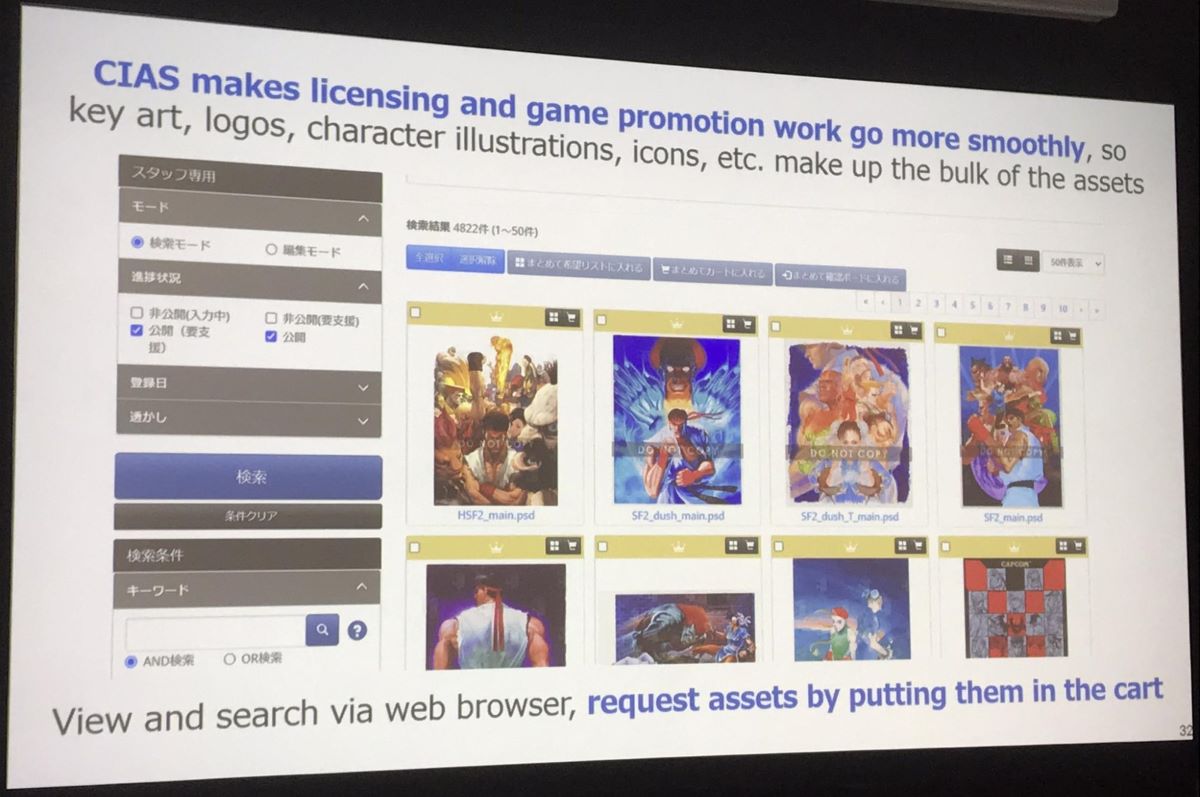
Capcom’s Archival System – CIAS
Capcom has developed the Capcom Illustrations Archives System (CIAS) to manage its historical assets, focusing on art and design elements for games like “Street Fighter” and “Rockman.” This system not only preserves these assets but also leverages them for current marketing and game development, showcasing a practical application of historical preservation.
Taito’s Challenges and Triumphs in Legacy Preservation
Taito, with its roots deep in arcade gaming history since 1953, faces unique challenges in preservation, including space and material deterioration. Despite these obstacles, they maintain a vast archive of arcade hardware, software, and even microfilms, which they proudly display at events commemorating their legacy.
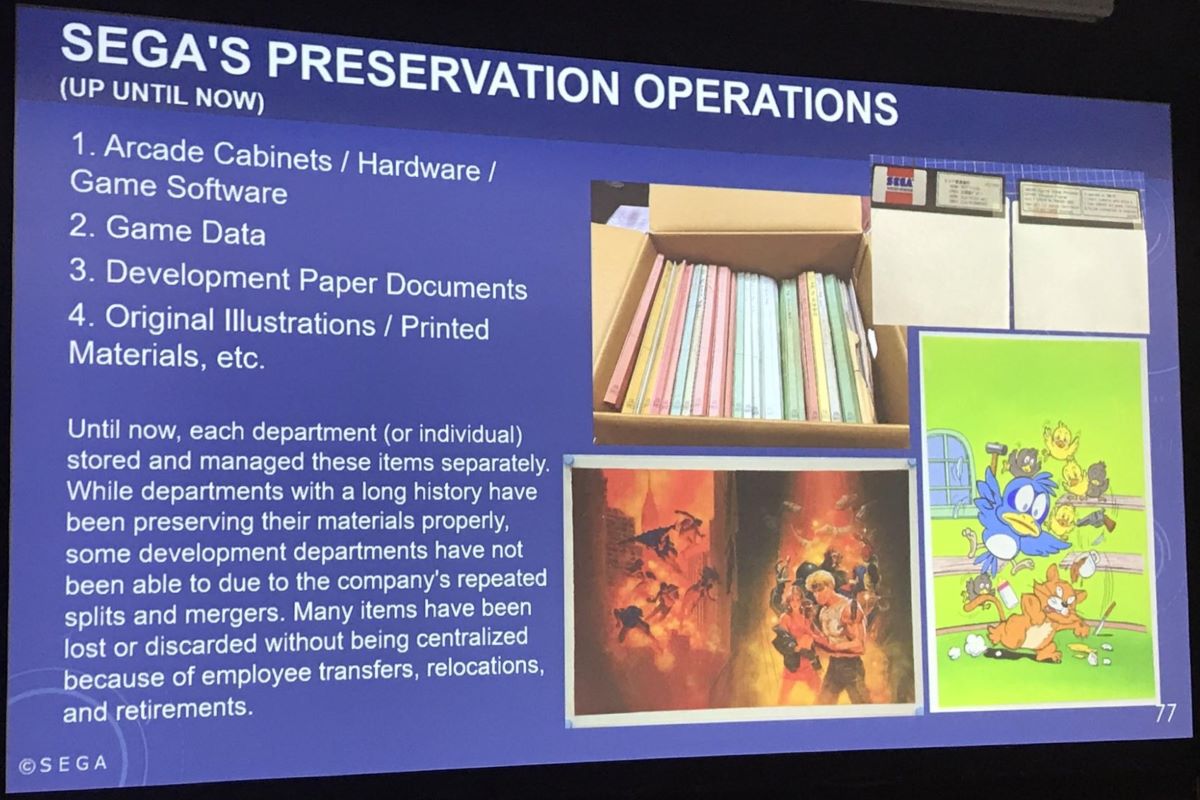
Sega’s Recent Dive into Preservation
Sega, starting its preservation efforts in 2023, is now aggressively digitizing and cataloguing its past, from arcade machines to original artwork. This initiative includes plans to incorporate materials from subsidiaries like Atlus, aiming to create a comprehensive historical database.
Preserving the Physical: The Role of Game Boxes
The physical packaging of games, especially from the golden age of consoles like the NES and SNES, holds significant cultural and artistic value. These boxes are not just containers but pieces of art that reflect the era’s design and marketing ethos. Preserving them is crucial for collectors and historians to experience games as they were initially presented. For those keen on safeguarding these relics, RetroShell (www.retroshell.com) provides an array of display protectors designed to keep your collection safe from environmental damage, ensuring these artefacts can be enjoyed for years to come.
The Broader Impact of Preservation
The collective effort by these companies underscores a commitment to not just preserve history but to use it as a foundation for future innovation. This archival work teaches us about our past, informing current and future creators while also celebrating video games as cultural artefacts.
Envisioning the Future
As articulated by Yoichiro Miyake, the preservation of these materials is about building a bridge between generations of creators. By maintaining these archives, the industry ensures a continuous dialogue that honours its history while paving the way for future advancements.
This initiative highlighted at SIGGRAPH Asia 2024 not only showcases the industry’s dedication to cultural heritage but also serves as a model for preservation across various fields, safeguarding a slice of digital culture for future generations to study and enjoy.
In the world of video games, the humble game controller has undergone significant transformations, not just in design but in functionality, reflecting the evolution of gaming itself. One pivotal change was the transition from the “A/B” buttons of the original NES to the “X/Y” and “L/R” buttons introduced with the Super Nintendo Entertainment System (SNES). But why did we get “X/Y” instead of “C/D”? Let’s dive into this intriguing piece of gaming history.
The Birth of the Modern Controller
When the NES hit the markets in 1983, its controller was revolutionary. It featured a simple cross-shaped directional pad (D-pad) and two buttons, labeled A and B. This basic setup was enough to spawn a gaming revolution, offering gameplay mechanics that were novel at the time. The dual controller ports from the outset made multiplayer gaming accessible, contributing significantly to the NES’s success.
The Leap to More Buttons
By the time the SNES was released in 1990, the gaming landscape had changed. Games were becoming more complex, and the demand for additional controls was evident. Enter the SNES controller with its six buttons: A/B, X/Y, and L/R. This wasn’t just an upgrade; it was a response to the needs of gamers, particularly influenced by the success of arcade games like “Street Fighter II,” which required more buttons for its intricate move sets.
Shigeru Miyamoto, a key figure at Nintendo, attributed the increase to six buttons to the necessity of accommodating games like “Street Fighter II” in home consoles. But why choose “X/Y” over “C/D”?
Visual and Functional Differentiation
Miyamoto’s reasoning was simple yet profound: visual differentiation. He explained that while the fundamental gameplay could rely on the cross key and A/B buttons, adding more buttons needed to be intuitive. “A/B” and “X/Y” clearly separate into two distinct groups, making it easier for players to learn and remember the functions of each button without confusion. Using “C/D” would have muddled this distinction, potentially making games less intuitive.
Moreover, “L/R” for “Left/Right” was a straightforward choice, aligning with the physical placement of these buttons on the controller. This naming convention helped in understanding the role of these buttons in games like “F-ZERO,” where they provided additional control over the vehicle’s movements, enhancing the gameplay experience.
A Legacy of Innovation
This thoughtful approach to controller design has left a lasting impact on how games are developed and played. The “X/Y” buttons have become standard in many controller designs, not just for Nintendo but across the industry, proving the foresight in Miyamoto’s decision.
Today, controllers continue to evolve, with innovations like motion controls, touch interfaces, and specialized controllers like the “Ring-Con” for “Ring Fit Adventure.” Each new iteration aims to deepen immersion, increase accessibility, or cater to specific game genres, showing that the controller’s story is far from over.
The Future of Gaming Input
As we look to the future, one can only speculate how controllers might evolve. Will we see more ergonomic designs, haptic feedback beyond what we currently know, or perhaps interfaces that blend digital and physical interactions in new ways? Whatever the future holds, the legacy of the SNES controller’s design philosophy will undoubtedly influence it, emphasizing user experience, game design, and the joy of play.
The transition from A/B to X/Y was more than a simple change in nomenclature; it was a step towards making gaming more accessible, intuitive, and enjoyable for players around the world. As gaming continues to grow, so too will the tools we use to engage with these digital worlds, forever changing how we interact with entertainment.
If you are in to retro game collecting, check out RetroShell premium game display protectors, they are of the finest quality and the best way to protect your valuable collection.
In a delightful blend of nostalgia and modern tech, Columbus Circle has announced the release of their latest gem, the “8-bit Compact HD” compatible device for FC (Famicom). Slated for a late February 2025 release, this device promises to bridge the gap between classic gaming and today’s high-definition standards. Here’s what you need to know:
What’s New with the “8-bit Compact HD”?
The “8-bit Compact HD” is not just another retro console clone. Here are the key features that set it apart:
HDMI Connection: This feature allows you to enjoy your favorite “NES” games in HD, with a resolution up to 720p. Imagine playing Super Mario Bros. with crisp, clear visuals on your modern TV.
Screen Ratio Change Switch: A nod to both tradition and modernity, this switch lets you choose between “Standard (4:3)” to relive the authentic Famicom experience or “Wide (16:9)” for a more contemporary viewing experience, perfect for those who prefer widescreen.
Pricing Details
The device will be available for 9,878 yen. For those interested in the international market, here’s the price conversion:
USD Conversion: At current exchange rates, this roughly translates to about USD 69.15.
EUR Conversion: In euros, you’re looking at approximately EUR 62.89.
Please note, these conversions are based on exchange rates as of December 26, 2024, and might fluctuate.
Why This Matters
For retro gaming enthusiasts, this device is a game-changer (pun intended). Not only does it preserve the essence of Famicom gaming, but it also upgrades the experience to match today’s technological standards:
Authenticity Meets Modernity: The ability to switch screen ratios ensures you can enjoy games as they were meant to be seen or adapt them to larger, modern screens without losing the charm.
Ease of Use: With HDMI, there’s no need for extra converters or worrying about compatibility with your latest TV; plug and play has never been so straightforward.
Affordability: At under 100 USD, this machine is an affordable entry into the world of retro gaming for both collectors and newcomers eager to explore gaming history.
If you are a Famicom fan or collector, check out our RetroShell worlds best retro game protectors and secure your precious collection.
Title: The Legendary Sony CRT: Why It’s Ridiculous to Get Rid of It!
It’s the day after Christmas, and while most folks are unwrapping the latest tech gadgets, there’s a group of enthusiasts, tucked away in corners of the internet, who are celebrating something far less modern but infinitely more fascinating: the legendary Sony CRT television. Specifically, the Sony KX-45ED1, also known as the PVM-4300. This behemoth from 1988 isn’t just a TV; it’s a monument to an era where televisions were as much about engineering feats as they were about entertainment.
The Charm of the CRT
In today’s world, where liquid crystal and OLED screens dominate with their sleek designs and high resolutions, the CRT might seem like a relic. But for retro gamers and tech nostalgists, these old giants hold a special place. Why? The answer lies in the CRT’s inherent advantage: minimal input lag. For gamers, particularly those who play fast-paced retro games, this lag can mean the difference between a high score and a game over. The KX-45ED1, with its 480p VGA input, was designed to transmit signals with virtually no delay, making it the holy grail for gaming enthusiasts.
The Beast of a Television
Imagine a television so large and heavy that it requires a sturdy floor to stand on. The KX-45ED1 is just that—a colossal piece of equipment. It measures 105 cm wide, 76 cm deep, 92.5 cm high, and weighs a staggering 200 kg. This isn’t just a TV; it’s a piece of furniture, a statement, and at the time of its release, it was priced at 2.5 million yen, translating to roughly 4 million yen today when adjusted for inflation. To put that into perspective, the starting salary for a university graduate in 1988 was about 150,000 yen. This TV wasn’t just an investment; it was a declaration of one’s dedication to the art of television viewing.
A Rare Sight
Due to its size, cost, and the sheer engineering involved, the KX-45ED1 didn’t flood the market. It became a sort of Bigfoot in the tech world—often talked about but rarely seen. Collectors and enthusiasts have turned its rarity into legend, much like the mythical creatures of folklore. There are tales of this giant CRT residing in a soba restaurant in Osaka, but like many legends, the truth is hard to pin down.
The Heart of Retro Gaming
Why does this matter in 2024? Because technology isn’t always about moving forward in a straight line. Sometimes, it’s about understanding and appreciating where we’ve come from. For gamers, the tactile, immediate response of a CRT screen when playing classics like “Super Mario Bros.” or “Street Fighter II” can’t be replicated by modern flat screens. There’s a visceral connection to the past, a nostalgia that’s not just about the games but about the way they were experienced.
Preservation Over Progress?
The conversation around technology often centers on progress, but with items like the KX-45ED1, it’s about preservation. It’s about keeping alive the tactile history of gaming and television. As we look at our thin, light TVs, there’s a part of us that wonders about the weight of history, the literal and figurative heft of technologies past.
A Call to Arms
For those in the know, the search for these legendary CRTs continues. It’s not just about owning an expensive piece of hardware; it’s about being part of a community that values this slice of history. Every found unit, every working KX-45ED1, is a small victory against the march of time and technology. So, if you stumble upon one, whether in a thrift store or a dusty corner of a garage sale, remember: it’s not just a TV; it’s a piece of history.
In a world bent on discarding the old for the new, the Sony KX-45ED1 stands as a testament to the idea that sometimes, what’s old isn’t just gold—it’s priceless. So here’s to you, legendary Sony CRT, may you continue to flicker in the hearts of those who appreciate the art of television and gaming in its most raw, unprocessed form.
Developer Master Linkuei has released Super Star Wars Holiday Special, a fan-made game for the Sega Mega Drive/Genesis. Inspired by the 1978 Star Wars Holiday Special, this action-platformer lets players control Luke Skywalker on a mission to rescue Han Solo and Chewbacca from Imperial forces, aiming to celebrate Life Day on Kashyyyk.
Key Features:
• Classic Gameplay: Emulates the style of the original Super Star Wars series from the Super Nintendo, offering nostalgic action-platforming.
• Original Storyline: Loosely based on the 1978 Star Wars Holiday Special, providing a unique narrative experience.
• Rapid Development: Created in just 20 days using the Scorpion Engine by earok, showcasing impressive dedication and skill.
Availability:
Super Star Wars Holiday Special is available for download on itch.io. As a fan-made project, it is free to play, with an option to donate to support the developer.
The fourth generation of video game consoles marked a turning point in gaming history. The transition from 8-bit to 16-bit systems brought enhanced graphics, better sound, and more immersive gameplay, ushering in the golden era of retro gaming. Key players like the TurboGrafx-16, Sega Genesis, SNES, and Neo Geo defined this era, creating fierce competition and leaving a lasting legacy. Let’s dive into the history of these consoles, their technological innovations, and their cultural impact.
TurboGrafx-16: NEC’s Bold Leap
The Japanese Success of the PC Engine
The PC Engine, released in Japan in 1987, was NEC’s entry into the gaming market. Developed in partnership with Hudson Soft, it featured an innovative 8-bit CPU paired with 16-bit graphics processors. Compact and sleek, it became a massive success, selling over 500,000 units in its first week.
North American Expansion
Rebranded as the TurboGrafx-16, the console launched in the U.S. in 1989. However, NEC’s decision to redesign the system and delay its release to pack in the unfamiliar Keith Courage in Alpha Zones put it at a disadvantage. By the time it hit shelves, the Sega Genesishad already captured gamers’ attention.
Technological Firsts
Despite its struggles, the TurboGrafx-16 introduced the first CD-ROM add-on, revolutionizing gaming storage. Titles like Ys Book I & II showcased the potential of this technology, blending rich audio and expansive worlds. However, steep pricing and poor marketing in North America stymied its success.
Sega Genesis: Genesis Does What Nintendon’t
Breaking Into the Market
Launched as the Mega Drive in Japan in 1988, the Sega Genesis hit North America in 1989 with an aggressive marketing campaign. With slogans like “Genesis does what Nintendon’t,” Sega positioned itself as the edgier alternative to Nintendo.
Sonic the Hedgehog: A Game-Changer
The introduction of Sonic the Hedgehog in 1991 turned the tide for Sega. Sonic’s speed and attitude perfectly showcased the Genesis’s capabilities, appealing to a generation of gamers looking for something cool and fast-paced.
Innovations and Add-Ons
Sega didn’t stop with the Genesis itself. Add-ons like the Sega CD and 32X expanded its capabilities, while backward compatibility with the Sega Master System broadened its library. Despite these efforts, fragmentation and inconsistent quality plagued these peripherals.
Cultural Milestone
The Genesis became a cultural icon, selling over 30 million units worldwide. It also played a pivotal role in establishing the ESRBgame rating system during congressional hearings about violent video games like Mortal Kombat.
Super Nintendo Entertainment System: Nintendo Strikes Back
Delayed But Dominant
Nintendo responded to the 16-bit revolution with the Super Nintendo Entertainment System (SNES), released in Japan as the Super Famicom in 1990 and in North America in 1991. Despite arriving late, it quickly dominated with an exceptional library of games.
Innovative Technology
The SNES utilized advanced graphics chips, allowing for effects like Mode 7, which created pseudo-3D visuals in games like Super Mario Kart. Its sound capabilities, powered by Sony’s SPC700 chip, delivered unforgettable soundtracks.
The Console Wars
The rivalry between Sega and Nintendo reached its peak during this era. Marketing campaigns and exclusives like The Legend of Zelda: A Link to the Past and Donkey Kong Country helped the SNES outsell the Genesis globally, with nearly 50 million units sold.
Released in 1990, the Neo Geo AES (Advanced Entertainment System) brought the arcade experience to living rooms. With a price tag of $649.99, it was a luxury item, offering unmatched graphics and sound through games like Metal Slug and King of Fighters.
A Legacy of Excellence
The Neo Geo’s high price limited its reach, but its quality earned it a dedicated fanbase. It became a symbol of gaming excellence, providing arcade-perfect ports that other systems couldn’t match.
Technological Advancements and Cultural Impact
The Rise of CD-ROM
The TurboGrafx-16 and Sega CD showcased the potential of CD-ROM technology, offering larger games with enhanced audio and video. While adoption was slow, it laid the groundwork for future consoles.
Console Wars: Sega vs. Nintendo
The battle between Sega and Nintendo defined the era. From aggressive marketing to exclusive titles, the rivalry pushed both companies to innovate, elevating gaming to new heights.
Game Ratings and Industry Standards
The fourth generation also saw the birth of game rating systems. Public outcry over violent games like Night Trap led to the creation of the ESRB, ensuring age-appropriate content for gamers.
The Enduring Legacy of the 16-Bit Era
The fourth generation of video game consoles set the stage for modern gaming. The innovations introduced during this time—CD-ROMs, advanced graphics chips, and immersive sound—reshaped the industry and inspired future generations of consoles.
Each system left a unique legacy: the TurboGrafx-16 as a technological pioneer, the Sega Genesis as a cultural phenomenon, the SNES as a benchmark for quality, and the Neo Geo as the pinnacle of arcade gaming at home. Their contributions continue to resonate with gamers and collectors alike.
Not every great game becomes a blockbuster. While the gaming world often celebrates high-profile franchises, countless gems remain tucked away, overshadowed by AAA titles. These games, rich in innovation and unique storytelling, deserve a second look. In this article, we shine a spotlight on these overlooked treasures from various eras and platforms, rediscovering their charm and showcasing their timeless appeal.
1. Rambo 3 (Genesis/Megadrive): Nostalgia with Firepower
Based on the iconic action film, Rambo 3 for the Sega Genesis is an adrenaline-filled run-and-gun experience. Players step into the boots of John Rambo, armed with an unlimited-ammo machine gun and a repertoire of explosive weapons.
Why It Stands Out:
• Gameplay Mechanics: Smooth controls, maze-like stages, and the innovative addition of first-person battle sequences elevate this game beyond its peers.
• Graphics and Sound: For a 2 Mega cartridge, the game delivers striking visuals in first-person mode, complemented by atmospheric, haunting melodies that immerse players in the action.
2. Choplifter HD (Xbox 360, PS3, PC): Rescuing Nostalgia
A modern twist on the arcade classic, Choplifter HD revives the charm of hostage rescue missions in a helicopter. Despite graphical limitations, its dual-stick shooter mechanics and engaging gameplay ensure hours of fun.
Unique Features:
• Gameplay Mechanics: Navigate complex terrain, dodge enemy fire, and manage limited resources while rescuing hostages.
• Audio Experience: Battlefield sounds enhance immersion, offering a pulse-pounding experience for players.
3. Guardian’s Crusade (PlayStation): A Whimsical RPG Adventure
This charming RPG combines a heartfelt story with engaging mechanics, as players guide a knight and his mysterious baby creature companion on a quest to save the world.
Why You’ll Love It:
• Gameplay Mechanics: Non-random battles and the introduction of living toys as allies make combat fresh and strategic.
• Visual Appeal: Simple yet endearing graphics and a delightful soundtrack evoke nostalgia for classic RPGs.
El Viento is an action-packed platformer that lets players wield boomerangs and magic in a fast-paced battle against evil forces. Its innovative mechanics and thrilling gameplay set it apart from other games of its era.
Highlights:
• Gameplay: The charging magic system adds depth and replayability, while responsive controls ensure a smooth experience.
• Music: Engaging tracks elevate the intensity of each stage.
5. Blur (PS3, Xbox 360, PC): A Racing Revolution
Blending the chaos of Mario Kart with the grit of Burnout, Blur offers a high-octane racing experience filled with power-ups and tactical gameplay.
Key Features:
• Gameplay Mechanics: Dynamic events, mini-objectives, and varied tracks keep races exciting and unpredictable.
• Graphics and Sound: While the color palette may lean toward the dreary side, licensed music and excellent sound design make it a sensory delight.
6. Gotcha Force (GameCube): Toy Robots Unleashed
Capcom’s Gotcha Force pits players against each other in toy-robot battles that combine strategy and chaos. Its colorful graphics and imaginative gameplay offer a refreshing experience for GameCube enthusiasts.
Standout Aspects:
• Gameplay: Dynamic arena combat and team-building mechanics ensure variety in every match.
• Replayability: Numerous robot configurations and battle modes keep players coming back for more.
7. Robin Hood: Prince of Thieves (NES): A Legendary Quest
This action-adventure brings the classic tale of Robin Hood to life, complete with top-down gameplay and strategic item management.
What Makes It Special:
• Gameplay Mechanics: Fluid combat sequences and a narrative-driven approach enhance engagement.
• Graphics and Sound: Though simple, the visuals and audio align perfectly with the game’s storytelling.
Gaming history is filled with hidden gems waiting to be rediscovered. From adrenaline-pumping action to heartfelt RPGs, these titles prove that greatness isn’t always found in the limelight. Whether you’re a retro enthusiast or a curious newcomer, these games offer something special for everyone.
In the pantheon of iconic retro games, Worms by Team17 holds a special place. Born in the Amiga’s heyday and crafted by a passionate creator, this artillery-based masterpiece fused humour, strategy, and charm into one unforgettable experience. Worms wasn’t just a game; it was a cultural phenomenon that continues to entertain nearly three decades later. This is the story of how a simple idea became one of the UK’s greatest gaming exports.
The Genesis of Team17:
The seeds of Worms were sown in the fertile soil of the British gaming scene of the 1990s. Back then, small studios like 17-Bit Software operated out of modest offices, publishing games for niche platforms. Founded by Michael Robinson in Wakefield, West Yorkshire, 17-Bit Software aimed to discover young talent and distribute their games through Robinson’s Microbyte shops.
Among the first recruits was Swedish programmer Andreas Tadic, who, along with Rico Holmes and Peter Tuleby, formed Team7. Their debut game, Miami Chase (1990), was a modest success, paving the way for the studio’s transformation into Team17. With the Amiga as their platform of choice, Team17 became known for visually and aurally impressive titles like Alien Breed, which showcased the team’s technical prowess.
The Birth of Worms:
In parallel to Team17’s rise, Andy Davidson, a 17-year-old student with a VIC-20, was experimenting with programming. Inspired by artillery games like Scorched Earth, Davidson created a calculator-based prototype called Artillery. The game’s evolution began when Davidson introduced worms as the protagonists, a decision that added personality and humour to the experience.
By 1993, Davidson had rewritten the game, now titled Total Wormage, on the Amiga. With the help of Amiga Format’s Blitz Basic 2competition, Davidson refined the game further, culminating in its debut at the European Computer Trade Show (ECTS) in 1994. There, Team17’s Martyn Brown saw its potential and immediately offered to publish it.
The Secret to Success
What made Worms stand out was its combination of simple mechanics and strategic depth. Randomly generated landscapes ensured every match felt fresh, while weapons like the Holy Hand Grenade and Exploding Sheep added an element of chaos. The visual style, inspired by Lemmings and parallax effects, was both cartoonish and captivating.
The humour, an essential ingredient, kept the tone lighthearted. Davidson’s approach to game design prioritised fun and creativity, a philosophy that resonated with Team17’s collaborative culture. Contributions from the team—such as Rico Holmes’ revamped graphics, Cris Blyth’s 3D animations, and Bjørn Lynne’s memorable music—elevated Worms from a hobbyist project to a commercial success.
Expanding Horizons
Team17 ported Worms to over 10 platforms, including the PlayStation, Sega Saturn, and Game Boy. Despite the industry’s shift towards 3D gaming, Worms thrived as a 2D game, proving that gameplay triumphs over visuals. The Amiga remained its spiritual home, with the Director’s Cut (1997) adding enhanced graphics, new weapons, and extensive customisation.
A Legacy of Fun
From weekly tournaments to fan-made mods, Worms has endured as a testament to the power of accessible, multiplayer-focused gaming. The series has spawned numerous sequels, each building upon Davidson’s original vision while staying true to the core formula.
Conclusion: A Game for the Ages
The story of Worms is one of creativity, perseverance, and teamwork. What began as a student’s experiment became a global phenomenon, delighting players across generations. Nearly 30 years later, Worms remains a beacon of retro gaming ingenuity. So, grab a controller, call your friends, and remember: Keep on worming!