Reggie Fils-Aimé on Wii U Failure

Reggie Fils-Aimé on Wii U Failure

From the RetroShell news archive. Originally published 2026-05-06 on our former news site and restored here.

Reggie Fils-Aimé, former president of Nintendo of America, has finally laid out his take on the Wii U’s commercial failure. He points to a slow drip of key exclusives like Smash Bros. and Mario Kart, alongside fierce competition from Sony and Microsoft. This isn’t just another post-mortem; Fils-Aimé himself called the Wii U Nintendo’s “second worst performing platform,” a direct shot that puts it right behind the infamous Virtual Boy.

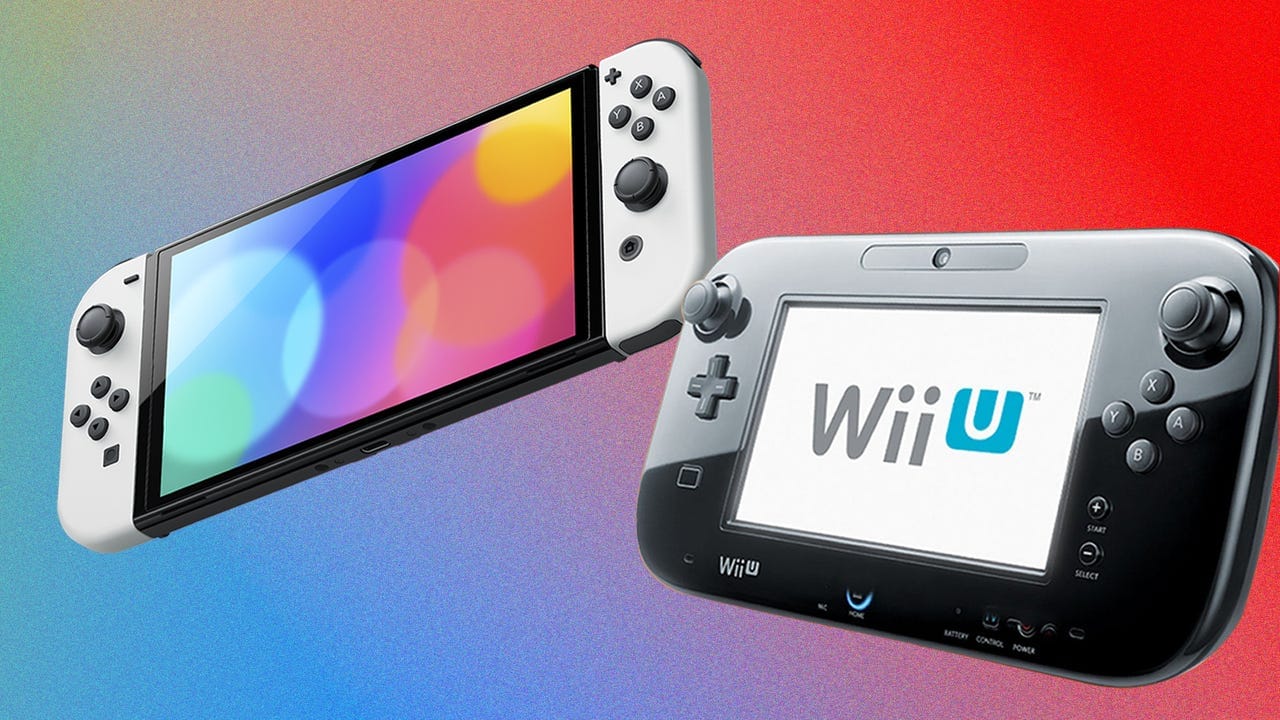
Speaking at an NYU Game Center Q&A, Fils-Aimé recounted the initial optimism surrounding the Wii U. Nintendo believed in a dual-screen approach, combining the “10-foot experience” of a television with the “10-inch experience” of the GamePad controller. This was meant to open up new gameplay possibilities, allowing for both shared big-screen play and unique, individual experiences on the tablet.

The “10-Foot, 10-Inch” Gamble

The vision was clear: create games that used both screens in novel ways. NintendoLand, a mini-game collection, launched with the console. It was designed to be the Wii U’s Wii Sports, a system seller that showcased the hardware’s unique capabilities. Fils-Aimé admitted that even he felt a slight unease, an “itch in the back of [his] neck,” that NintendoLand wasn’t quite the phenomenon Wii Sports had been.

The console did well in its first year. However, sales quickly stalled as players looked ahead to the next generation of consoles from Sony and Microsoft. The PlayStation 4 and Xbox One were on the horizon, promising more traditional power and graphics. Nintendo’s innovative but confusing GamePad concept struggled to compete against that raw horsepower narrative.

Software Drought and Market Pressure

Fils-Aimé highlighted a critical issue: the pace of new software. Key titles like a new Smash Bros., Mario Kart, and the then-nascent Splatoon franchise were in development. They simply did not materialize on the timetable Nintendo needed. This left early adopters with a console that had potential but lacked a steady stream of must-have games to justify its purchase.

My take is that while slow software was a factor, the core confusion around the Wii U’s identity played a larger role. Was it a new console, or an add-on for the original Wii? The marketing struggled to convey its purpose, and even strong exclusives would have faced an uphill battle against that initial misunderstanding. The console’s low sales, ultimately 13.56 million units, are proof of this uphill battle.

Reggie’s Course Correction

As the Wii U entered “life support,” Fils-Aimé, then a commercial executive, pushed for decisive action. Nintendo had launched with two different SKUs, one white with less memory and one black with more. He killed the white SKU. This move simplified the offering for retailers, who struggled to explain the differences to customers and maintain inventory for both versions.

Nintendo also shifted focus. They started building deeper relationships with independent developers, encouraging them to bring digital-only titles to the platform. This strategy, born out of necessity for the Wii U, would later prove critical for the Nintendo Switch’s early success, providing a diverse library of games beyond Nintendo’s first-party offerings.

Classic Consoles: A Stopgap Strategy

To sustain the business through the holiday seasons, Nintendo launched the NES Classic Edition and, in the following year, the SNES Classic Edition. These micro-consoles were a commercial success, selling millions of units. They tapped into a powerful vein of nostalgia, offering a curated selection of classic games in a compact, collectible form factor.

For collectors, these Classic Editions were an interesting market play. They weren’t original hardware, but they offered a new way to experience beloved games. Their success showed Nintendo that there was a huge appetite for retro experiences, a market the Wii U, with its forward-looking but flawed concept, had failed to capture. The Classic consoles were a stopgap, a way to generate revenue and keep Nintendo relevant while the company planned its next big move.

The Switch Pivot

Even as the Wii U struggled, planning for its successor was already well underway. Fils-Aimé recalled a pivotal meeting in March 2016 with former Nintendo president Satoru Iwata in Japan. During this meeting, Iwata revealed his cancer had returned. After a personal discussion, they “flipped the switch” and began detailed launch planning for the Nintendo Switch.

The Switch evolved the Wii U’s core concept, making the portable GamePad experience the central focus of the entire console. This refined vision, combined with a strong launch lineup, turned Nintendo’s fortunes around dramatically. The Switch has since sold over 155 million units, a stark contrast to the Wii U’s performance.

Wii U’s Legacy in the Collector Market

The Wii U’s commercial failure, selling only 13.56 million units globally, means it will always be a footnote in Nintendo’s storied history. However, for collectors, low sales often translate to future rarity. Finding a Complete In Box (CIB) Wii U console, especially the less common white SKU, in pristine condition without label damage or manual foxing, could become increasingly difficult.

While it never reached the widespread appeal of its predecessor or successor, the Wii U represents a critical learning period for Nintendo. It was a bold experiment that didn’t quite land, but its ideas directly informed the design of one of the most successful consoles of all time. The Wii U’s place in the collector market will likely grow as a testament to Nintendo’s willingness to innovate, even when it leads to a stumble. It’s a console that tells a story, and those stories always find an audience among dedicated collectors.

RetroShell makes the Nintendo protector set collectors actually reach for — precision-cut, British production, ships worldwide.

Follow RetroShell on X for daily retro gaming news. Join the community on r/RetroShell.


Originally announced by Nintendo · first reported by IGN.

AI Fakes Threaten Retro Console History

AI Fakes Threaten Retro Console History

From the RetroShell news archive. Originally published 2026-05-05 on our former news site and restored here.

Social media is awash with “lost” Japanese retro console ads. These images, featuring scantily-clad women, look like genuine historical finds. But they are not. Forget the debates over sealed WATA games; the real fight for authenticity just got a lot harder. These are AI-generated fakes, designed to look like vintage promotional material, and they are fooling a lot of people.

Time Extension reports that these images have spread rapidly across retro gaming circles. Thousands are re-sharing them, often with comments that miss the point entirely. The fakes are convincing enough at first glance to trick many into believing they are legitimate pieces of gaming history.

However, a closer look reveals the cracks. Details like a poorly rendered Dreamcast Visual Memory Unit (VMU) or “dodgy screenshots” on the ad itself are clear giveaways. These aren’t subtle errors. They are the kind of glitches that AI still struggles with, betraying the artificial origin of the images.

The Fake Ad Flood

The sheer volume of these AI-generated ads is a problem. They mimic the style of 1990s Japanese marketing, often playing into specific cultural tropes. This makes them particularly effective at circulating in certain online communities. The goal seems to be engagement, regardless of factual accuracy.

This isn’t just a harmless prank. It’s a direct challenge to the integrity of historical documentation. When images like these go viral, they muddy the waters for genuine research. It becomes harder to discern what is real and what is fabricated.

Why This Matters for Collectors

For collectors, authenticity is everything. The value of a game or console often hinges on its verifiable history and condition. We talk about label damage, sticker shadow, or manual foxing because these are real, physical attributes. An AI-generated image, by its nature, has no such provenance. It has no real-world history.

The market for vintage gaming relies on trust. When you see a rare item, you expect to verify its origin. You check for factory seals, original packaging, and consistent details. These AI fakes undermine that trust. They introduce a new layer of doubt into what was once a relatively straightforward process of authentication.

Consider the impact on future generations trying to document the Sega Genesis era, or the early days of the Nintendo Entertainment System. If the digital archives are polluted with convincing fakes, how will they know what is real? This isn’t about a single auction result; it’s about the entire historical record.

The Threat to Preservation

The real story here is not just about a few laughs; it’s a direct assault on the verifiable history that underpins the entire collecting market. Time Extension rightly points out that this trend shows how difficult it will be to properly document and preserve gaming history. We rely on accurate visual records to understand the past.

This issue extends beyond marketing materials. What happens when AI starts generating convincing “prototype” images or “lost game” screenshots? The implications for preservation efforts are severe. It forces a higher degree of scrutiny on every digital artifact, making the work of archivists and historians exponentially harder.

Moving forward, the community needs to be vigilant. Critical thinking is more important than ever when consuming online content about retro gaming. We must demand verifiable sources and question anything that looks too good, or too strange, to be true. The fight for authentic history is just beginning.

RetroShell’s Sega protector range covers Megadrive, Master System, Saturn and Dreamcast — the kind of protection your shelf already deserves.

Follow RetroShell on X for daily retro gaming news. Join the community on r/RetroShell.


Originally published by Time Extension. Read original article.

Square Enix Backs Traditional Narrative Games with Paranormasight Sequel

From the RetroShell news archive. Originally published 2026-05-05 on our former news site and restored here.

Square Enix’s decision to greenlight Paranormasight: The Mermaid’s Curse, a sequel to its narrative adventure The Seven Mysteries of Honjo, offers a quiet counter-narrative to the prevailing industry wisdom. While many publishers chase innovation or scale, director Takanori Ishiyama’s approach, which he describes as ‘carefully crafting traditional games,’ echoes the enduring appeal of titles like Nintendo’s Famicom Detective Club series, proving that a well-told story can still find an audience without resorting to novel mechanics.

This move by Square Enix is particularly noteworthy given the company’s stated intention in its 2024 annual report. Following a year where numerous remakes and spin-offs underperformed, the publisher pledged to prioritise ‘quality over quantity.’ The success of The Seven Mysteries of Honjo, while sales figures remain undisclosed, evidently provided sufficient proof of concept to warrant further investment in this specific design philosophy.

The Enduring Appeal of Traditional Design

Ishiyama’s comments to Polygon highlight a deliberate choice to avoid what he terms ‘new or groundbreaking’ mechanics. Instead, the focus remains squarely on the core elements of a traditional game: compelling narrative, character development, and engaging puzzles. This is not a disaster, just a different approach, according to Paranormasight Wikipedia Page. It suggests that in a market saturated with titles attempting to redefine genres, there is still significant space for experiences that refine established forms.

The Paranormasight series, as Ishiyama explains, aims to ensure games are ‘genuinely entertaining.’ This objective, while seemingly straightforward, often gets lost in the pursuit of technical spectacle or novel interaction, according to Adventure Game Genre Overview. The first game’s success, leading to The Mermaid’s Curse, indicates that players respond positively to a clear, well-executed vision, even if it does not push the boundaries of interactivity in the way some contemporary narrative games do.

A Publisher’s Shifting Focus

For Square Enix, this greenlight represents a tangible outcome of their ‘quality over quantity’ directive. It shows a willingness to invest in smaller-scale, narrative-driven projects that resonate with a specific audience. This is a subtle but important shift for a publisher often associated with large-scale role-playing games and expansive franchises. The real story here is not just the sequel itself, but what it hints at for Square Enix’s broader strategy: a potential diversification into more focused, character-led experiences.

Ishiyama’s confidence in the appeal of ‘high-quality indie games’ standing out also reflects a broader market trend. As the sheer volume of releases on platforms like Steam continues to climb, with nearly 20,000 games launching in 2025 alone, visibility becomes a critical challenge. A well-crafted, traditional game can cut through this noise by offering a reliable, engaging experience rather than relying on fleeting trends.

Drawing from Japan’s Deep Past

A significant aspect of the Paranormasight series’ appeal lies in its deep engagement with Japanese folklore and history. Ishiyama, despite admitting a lack of interest in history during his student days, now finds creative inspiration in presenting events against historical backdrops. For The Mermaid’s Curse, this means drawing from the Heian period, approximately 1,000 years ago, and the exploits of the Taira clan.

The game blends historical fact with supernatural fiction, incorporating elements like ‘curse stones’ that amplify negative intent. This approach, Ishiyama notes, enhances realism and makes the narrative more believable. When players consider that ‘something like this really could have happened,’ it fosters a deeper immersion. This method of grounding fantastical elements in cultural memory is a powerful storytelling tool, often seen in Japanese media.

Subverting Expectations with Folklore

Ishiyama also consciously sought to subvert common expectations of mermaid stories. Recognising the popularity of mermaids and immortality in Japanese occult fiction and pop culture, he looked to less Western interpretations. This included historical accounts, such as a Heian-period story of a mermaid with a human head and fish body. The Mermaid’s Curse mirrors this unsettling image in its opening act.

Further inspiration came from Rumiko Takahashi’s Mermaid Saga, a darker manga series exploring immortality as a burden, and Tezuka Osamu’s Phoenix: Strange Beings, which similarly grapples with unending life. These influences demonstrate a considered approach to the source material, moving beyond superficial interpretations to explore the deeper, often darker, implications of such legends. It is a nuanced understanding of folklore, rather than a simple appropriation.

The Craft of Storytelling

The interactivity in The Mermaid’s Curse remains largely traditional: exploring locations, gathering information through dialogue, and solving logic puzzles. Ishiyama relies heavily on storytelling and unique perspectives to make the series stand out. This includes unusual protagonist viewpoints, such as the culpable main characters in Honjo or the canny housewife-detective and shunned child in Mermaid’s Curse.

This focus on character and narrative depth, rather than complex gameplay systems, allows for a more concentrated creative effort. It is a testament to the idea that a well-told story, with compelling characters and a strong sense of atmosphere, can be just as impactful as a game with elaborate mechanics. The series aims to create a distinct atmosphere, different from its predecessor, to show the breadth of the Paranormasight concept.

Looking Ahead for Narrative Adventures

The greenlighting of The Mermaid’s Curse is a positive signal for the future of narrative adventure games, particularly those that prioritise traditional design and deep cultural engagement. It suggests that publishers, even large ones, are recognising the value in carefully crafted experiences that do not necessarily chase the latest trends. This could encourage further investment in projects that might otherwise be overlooked in favour of more overtly ‘innovative’ or commercially safe ventures.

For players, it means more opportunities to engage with stories that are rich in atmosphere, character, and historical context. The success of Paranormasight offers a quiet proof that sometimes, the most effective way to stand out is to focus on the fundamentals, delivering a genuinely entertaining experience through the power of a well-told tale.

Love retro gaming? Our weekly Substack lands every Monday with the stories worth your time. Free, no spam.

Follow RetroShell on X for daily retro gaming news. Join the community on r/RetroShell.


Originally announced by Square Enix · first reported by Polygon.

Paper Mario Star Nova Mod Released

Paper Mario Star Nova Mod Released

From the RetroShell news archive. Originally published 2026-05-05 on our former news site and restored here.

A new fan-made title, Paper Mario: Star Nova, has emerged as a full-scale modification of the Nintendo 64 classic, Paper Mario 64. Developed entirely by a solo creator known as NicTube, this project represents a substantial technical achievement in the fan game community, offering new chapters, a fresh storyline, and an entirely new world to explore. The dedication required to build a complete game experience on an existing engine, especially without a team, is always impressive to see.

RetroDodo reports that Star Nova introduces players to the world of Stellaria, complete with new characters, bosses, and over 70 new star pieces to collect. The game’s visual presentation, particularly its camera angles during cutscenes, is noted for its fidelity to the original Paper Mario aesthetic. Due to Nintendo’s well-known stance on fan projects, direct download links are not provided by RetroDodo, but the game is readily discoverable via web search.

Technical Hurdles and Playback

Currently, Paper Mario: Star Nova requires an emulator such as Delta to run, as it does not yet support playback on physical consoles via a Flash Cart or through Field-Programmable Gate Array (FPGA) solutions. A Flash Cart is a cartridge that uses flash memory to store game ROMs, allowing users to play multiple games on original hardware. FPGA technology, on the other hand, involves reconfigurable hardware that can mimic the original console’s circuitry at a very low level, offering highly accurate emulation. The absence of physical hardware support means players will need to follow patching instructions to get the game running on their chosen emulator.

The Modding Scene’s Potential

What this hints at, for the scene, is the ongoing challenge of fan projects reaching parity with original hardware. While software emulation offers flexibility, the ultimate goal for many modders and preservationists is often to see these creations run natively on the consoles they were designed for. The fact that NicTube has achieved such a high level of content creation and visual fidelity as a solo developer is a significant feat, even with the current software-only playback. It shows the power of dedicated individuals within the modding community.

Nintendo’s history with fan-made projects is well-documented, often leading to swift legal action against those who distribute their work too widely. This has led to a cautious approach within the community, with many creators opting for more discreet distribution methods. The quality of Star Nova is such that it could easily be mistaken for an official release, which unfortunately makes it a prime target for copyright enforcement.

The development of Paper Mario: Star Nova underscores the passion and technical skill present in the fan game community. While its current emulator-only status might deter some who prefer original hardware, the sheer scope of content created by a single developer is proof of their dedication. It will be interesting to see if future updates bring compatibility with Flash Carts or FPGA systems, further bridging the gap between fan creations and authentic hardware experiences.

Keeping Nintendo boxes crisp? Our Nintendo game protectors are UK-made cast acrylic, sized for NES, SNES, N64, GameCube and handheld boxes.

Follow RetroShell on X for daily retro gaming news. Join the community on r/RetroShell.


Originally published by RetroDodo. Read original article.

Nostalgia Drives Retro Gaming Market Share

From the RetroShell news archive. Originally published 2026-05-05 on our former news site and restored here.

The retro gaming market is not just holding steady; it is expanding, fueled by a powerful wave of nostalgia. This isn’t just about old games; it’s about big money, with remakes and re-releases commanding significant sales figures. The rapid sell-out and subsequent scalping of Nintendo’s NES Classic Edition on platforms like eBay showed a clear demand for official retro hardware, a trend that continues to shape collector behavior.

ComicBook.com/gaming reports that this market share is growing, showing no signs of cooling down. The industry is tapping into decades-old properties, turning them into new revenue streams. This strategy moves beyond simple re-releases, focusing on full remakes that modernize the experience for new audiences while appealing to veteran players.

Remakes and Remasters: New Money from Old Games

Look at Square Enix’s Final Fantasy VII Remake. This game was a long-requested title, and its 2020 release, along with its enhanced versions, sold nearly 9 million copies. That’s a massive number for a title based on a 1997 PlayStation game. It shows the power of a well-executed remake to generate new interest and significant profit.

Capcom has also mastered this approach with its Resident Evil franchise. They released Resident Evil 2 in 2019, Resident Evil 3 in 2020, and Resident Evil 4 in 2023. These aren’t just quick ports; they are ground-up rebuilds. Capcom even released a remake of the original Resident Evil back in 2002, later bundling 2, 3, and 4 into a Resident Evil Remake Trilogy in 2024. These titles are consistent best-sellers, proving that modernizing classic experiences pays off.

The Mini Console Boom and Market Impact

Beyond software, hardware also plays a role in this nostalgia economy. Nintendo led the charge with its NES Classic Edition, a miniature version of the original Nintendo Entertainment System. These units sold out almost instantly, creating a secondary market where prices soared well above retail. This behavior, where a new, cheaper iteration of a console commands inflated prices due to demand, highlights the complex dynamics of the collector market.

Other companies have followed suit. Plaion Replai recently partnered with SNK to release the Neo Geo AES+, a new version of the 1991 home console. The original Neo Geo AES was a niche, high-priced system, and this new iteration aims to capture that same collector appeal. The source expects it to sell quickly, much like its predecessors in the mini console space.

What This Means for Original Hardware Values

The real story here is how these modern re-releases, while not directly competing with original hardware, still influence the collector market. A clean, complete-in-box (CIB) copy of Final Fantasy VII on PlayStation might not see its value drop because of the remake. Instead, the remake often introduces new players to the franchise, potentially boosting interest in the original over time. This can drive up demand for well-preserved copies, especially those with minimal label damage or manual foxing.

However, the impact isn’t always straightforward. The NES Classic, for example, didn’t significantly depress prices for original NES consoles. Instead, it created a separate, parallel market for official, smaller versions. This suggests that collectors often seek both the original experience and the novelty of new, officially licensed retro hardware. The market for a pristine TurboGrafx-16 (known as the PC Engine in Europe and Japan) remains distinct from any potential modern re-release, with values anchored in scarcity and condition.

The Collector’s Take on Nostalgia

This trend shows no signs of slowing. As generations age and gain more disposable income, they will continue to seek out the games and systems they grew up with. This includes everything from full-scale arcade cabinet reproductions to enhanced versions of games less than a decade old, like the rumored Red Dead Redemption 2 remake. The market for original, graded games, like those certified by WATA or VGA, will likely continue to thrive alongside these new offerings. The demand for a truly clean, CIB Nintendo 64 title, for instance, is driven by a different kind of collector than someone buying a modern remake.

This sustained interest ensures that developers will keep remaking and re-releasing beloved titles. The constant flow of new retro-inspired products and remakes keeps the entire retro gaming ecosystem active, from the casual player to the serious collector tracking sold listings for rare variants.

If those carts deserve shelf time, they deserve protection. Browse the Nintendo range at shop.retroshell.com — NES through GameCube, all UK-made.

Follow RetroShell on X for daily retro gaming news. Join the community on r/RetroShell.


Originally published by ComicBook Gaming. Read original article.

GBA FM Groovebox: Fors FMS Arrives

GBA FM Groovebox: Fors FMS Arrives

From the RetroShell news archive. Originally published 2026-05-05 on our former news site and restored here.

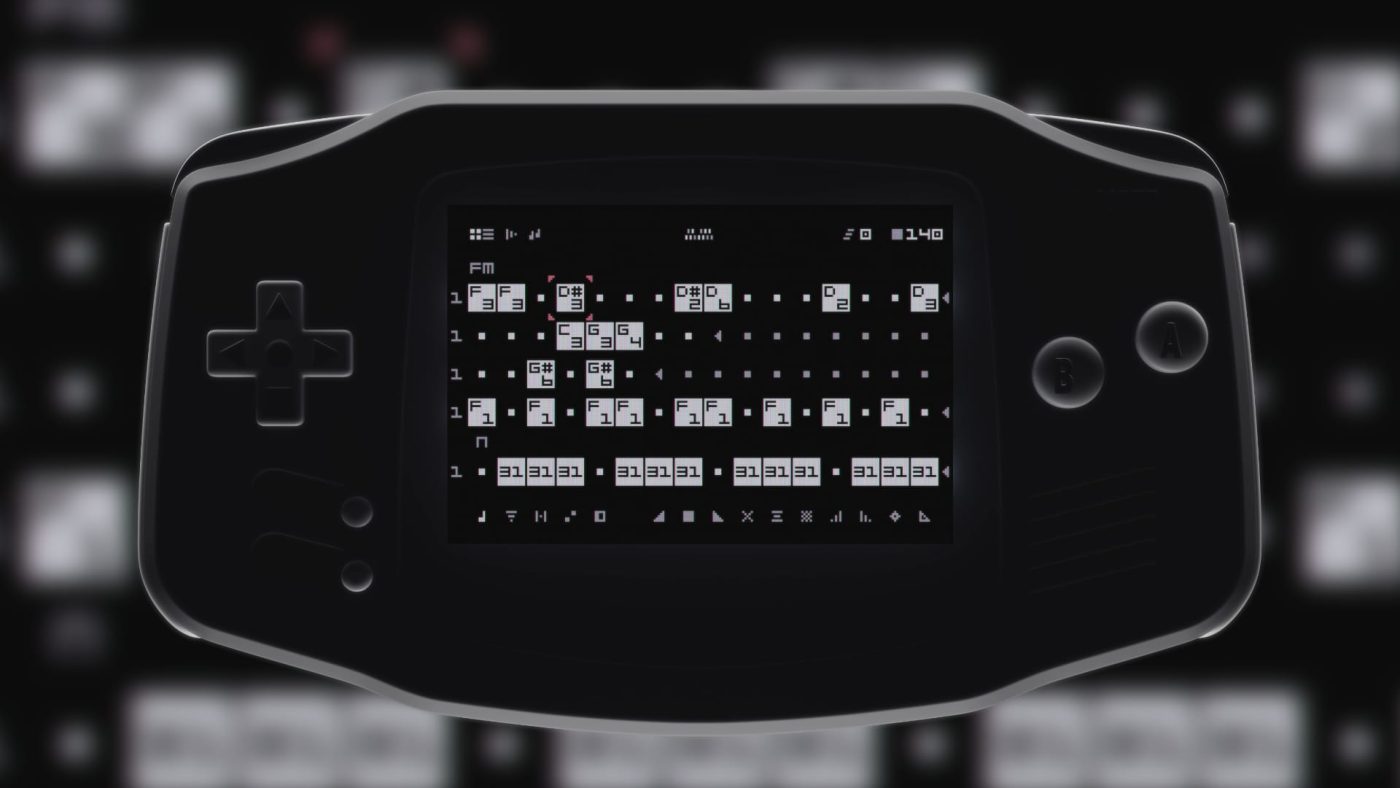
A new software project, Fors FMS, is set to transform the Game Boy Advance into a portable FM groovebox, offering a fresh avenue for music creation on the classic handheld. While many GBA enthusiasts focus on IPS screen retrofits or USB-C power mods, the console’s often-underestimated audio capabilities are now getting a serious look from the homebrew community.

The announcement from synth anatomy details Fors FMS as a dedicated application for the Game Boy Advance, designed to function as a self-contained music production unit. A groovebox is an integrated electronic instrument for producing live, loop-based electronic music, often combining a sequencer, drum machine, and synthesizer. In this case, the ‘FM’ refers to Frequency Modulation synthesis, a method of sound generation that creates complex timbres by modulating the frequency of one waveform with another.

The GBA’s audio hardware, while not as robust as some dedicated synthesisers, features two programmable wave generators, a direct sound channel for sampled audio, and a noise generator. These channels are driven by the console’s ARM7TDMI central processing unit, clocked at 16.78 MHz. Fors FMS appears to push these capabilities, allowing users to compose and sequence tracks directly on the device, or within an emulator like mGBA or VisualBoyAdvance.

The GBA’s Unsung Audio Potential

This development is particularly interesting for the GBA homebrew scene, which has seen a resurgence in recent years. Beyond the popular physical modifications like the FunnyPlaying IPS V2 display kits, which boost the original 240×160 pixel resolution with vibrant colours, there is a growing interest in pushing the console’s original hardware limits. We have seen similar efforts in the past, such as the Little Sound Disk System for the original Game Boy, which turned the DMG into a powerful chiptune instrument.

What this hints at, for the scene, is a deeper appreciation for the GBA’s original design, moving beyond purely visual enhancements. The real story here is the ingenuity of developers who continue to find new ways to use decades-old hardware. It shows that the platform still holds untapped potential for creative expression, not just for playing classic titles, but for generating entirely new content.

Implications for Portable Music Production

For musicians and chiptune artists, Fors FMS offers a unique, highly portable platform. The GBA’s compact form factor, a design choice that led to some rather interesting ergonomic solutions over its various iterations like the GBA SP and Micro, makes it an ideal candidate for a pocket-sized groovebox. The ability to create complex FM sounds on the go, without needing a full computer setup, could foster a new wave of GBA-centric musical compositions.

While specific details on features, release date, or distribution methods are still sparse, the concept itself is compelling. This project joins a growing list of tools and applications that extend the life and utility of classic handhelds, much like the custom firmwares available for devices such as the Miyoo Mini or Anbernic RG35XX, which unlock greater functionality from their underlying hardware. We will be watching closely for further updates on Fors FMS and its potential to add a new dimension to GBA homebrew.

RetroShell makes the Nintendo protector set collectors actually reach for — precision-cut, British production, ships worldwide.

Follow RetroShell on X for daily retro gaming news. Join the community on r/RetroShell.


Originally published by synth anatomy. Read original article.

  • Cosmic Ark Lands on VIC-20 with 8K RAM Conversion
  • Pokémon ROM Hacks: Pushing GBA Limits
  • Shadow Fields: A New ZX Spectrum Shmup Pushes Boundaries

NetHack 5.0 Update: MS-DOS & Amiga Support

From the RetroShell news archive. Originally published 2026-05-05 on our former news site and restored here.

It is a rare and rather wonderful thing, in this age of fleeting digital creations, to see a piece of software not only endure but actively embrace its origins, especially when those origins stretch back to the very dawn of personal computing. The recent update to NetHack, the venerable roguelike, offers a particularly charming example, not least because it still provides an official binary for the Amiga, a machine whose commercial life ended before many modern players were even born, and continues to run on MS-DOS, an operating system Microsoft officially ceased supporting two decades ago.

NetHack, which first saw release in 1987, has consistently received updates throughout its long life. This latest iteration, version 5.0, continues that tradition, bringing new features and refinements to a game that has influenced countless others. It is a striking contrast to the many modern games that appear and vanish within weeks, often leaving their communities behind.

A Game That Refuses to Fade

Microsoft officially ended long-term support for Windows 98 and Millennium Edition, or Me, in 2006. This effectively marked the end of the line for MS-DOS, or Microsoft Disk Operating System, which had underpinned Windows for so many years, its final release having been bundled with Windows Me in September 2000. Yet, NetHack, a game that predates Windows by several years, continues to offer a fully functional version for this ancient operating system. This dedication to backward compatibility is a quiet nod to the early days of computing, when software often had a longer shelf life and communities were adept at keeping older systems running.

This commitment extends beyond just MS-DOS. The NetHack development team also maintains an official binary for the Amiga, a personal computer line that saw its commercial demise in 1994. For those of us who remember the Amiga’s vibrant scene in the UK, particularly its graphical prowess and sound capabilities that captivated a generation of coders and artists, this continued support is a delightful surprise. The Amiga, a machine that once rivalled the Atari ST for the hearts of European enthusiasts, still finds a place in the NetHack universe, a testament to its enduring architecture and the passion of its user base.

The Amiga’s Enduring Spirit

What this hints at, for the scene, is a profound dedication to the foundational principles of open-source development and a quiet defiance of planned obsolescence. It shows that some projects, driven by community passion rather than commercial imperative, can outlive the very platforms they were designed for, a notion that would have resonated deeply with the bedroom coders of the 1980s who squeezed every last byte out of their chosen machines. The Amiga, in particular, fostered a strong community in Britain and across Europe, where magazines like Amiga Format and The One Amiga chronicled its every move, and its demoscene pushed the hardware to its absolute limits. To see a modern update still cater to this machine is a genuine pleasure.

NetHack has always been an ASCII game at its core, much like its predecessors Rogue and Hack. However, for players new to its complex world, a modern client called NetHack 3D offers a more accessible entry point. This client provides a polished user interface, mouse and touch support, and various community-made 2D tilesets, though it does feature an AI-generated logo. It even includes a novel first-person mode, offering a surreal new perspective on a game nearly four decades old. This blend of old and new ensures NetHack remains approachable without sacrificing its deep, intricate gameplay.

A Legacy That Continues to Grow

NetHack’s status as a foundational roguelike is well-deserved, influencing titles like Dwarf Fortress with its interlocking systems and surprising interactions. Its inclusion in the Museum of Modern Art speaks volumes about its cultural significance. The continued development, alongside support for platforms like MS-DOS and the Amiga, shows a project that respects its history while still looking forward. It is a remarkable example of how community-driven software can achieve a longevity that commercial products rarely manage, ensuring its unique brand of dungeon crawling remains available to new generations of players on a surprising array of hardware, old and new.

RetroShell also makes museum-grade acrylic game protectors — UK-produced, cast acrylic, sized for every major console generation.

Follow RetroShell on X for daily retro gaming news. Join the community on r/RetroShell.


Originally published by Yahoo Tech. Read original article.

  • Cosmic Ark Lands on VIC-20 with 8K RAM Conversion
  • GOG Offers Four xLand Classics, Bolstering DOS Preservation
  • Tomb Raider N64 Port Emerges from Fan Efforts

Roblox 'Steal a Brainrot' Japan Concerns

From the RetroShell news archive. Originally published 2026-05-04 on our former news site and restored here.

The popularity of “Steal a Brainrot”, a mini-game within the Roblox platform, among Japanese children has prompted significant concern regarding its real-world impact. Reports from Automaton Media, citing Asahi Shimbun’s AERA with Kids magazine, detail escalating conflicts, sleep deprivation, and financial issues stemming from the game. The digital playgrounds of today, with their often opaque economies and constant engagement loops, present a distinct set of challenges compared to the more contained experiences of earlier console generations.

The “Brainrot” meme content, featuring AI-generated characters and catchy, nonsensical phrases, has seen a rapid spread across platforms like TikTok and YouTube in Japan. This cultural phenomenon has moved beyond niche internet circles, becoming a top buzzword among elementary schoolchildren. The demand is such that Kadokawa, a major Japanese publisher, has even announced official children’s encyclopaedias dedicated to these Brainrot characters.

The Digital Playground’s Real-World Echoes

However, the widespread adoption of the Brainrot meme and the subsequent popularity of “Steal a Brainrot” on Roblox have led to tangible problems for elementary and middle schoolers. Conflicts among students have reportedly escalated beyond simple in-game item theft and online bullying. They now include verbal abuse and physical altercations on school grounds, with one concerning incident involving a child nearly pushed down stairs following an in-game dispute, as reported in AERA’s interviews with parents.

Beyond interpersonal conflict, the timing of international game events poses another significant issue. These events often occur at 3:00 or 4:00 AM Japan time, leading to severe sleep deprivation as children stay up through the night to participate. This disruption to sleep patterns naturally affects their daily lives and school performance, a consequence that extends far beyond the virtual world.

Monetisation and the Shifting Ethics of Play

Financial concerns have also surfaced, particularly among older students. Rare in-game items are reportedly being traded or sold among children via payment applications, sometimes for thousands of yen. This introduces a layer of real-world monetary transaction into childhood play, a practice that can be difficult for parents to monitor or understand fully.

Online reactions to these issues suggest a divided perspective. Some users argue that similar conflicts have always been a part of competitive play, even dating back to the Famicom era. Others contend that the real problem lies in how children’s sense of ethics is shaped in the modern age, rather than with any specific game itself. The real story here is not merely the existence of conflict, which as some users suggest, has always been a component of competitive play. Rather, it is the amplification of these issues by always-online platforms and their sophisticated monetisation strategies, a dynamic largely absent from the Famicom era’s more finite game experiences.

Many observers believe that modern factors are indeed amplifying these problems. Always-online platforms like Roblox, with their aggressive monetisation systems and frequent limited-time events, are cited as key contributors. As one user observed, “New items, new gear, microtransaction after microtransaction … of course problems will happen,” suggesting these mechanics can intensify addiction and in-game tension among younger players.

Parental Distrust and Future Oversight

Parents are increasingly expressing specific concern about Roblox, with many describing a growing sense of distrust toward the platform. The sentiment is that it is becoming harder for parents to know who their children are interacting with, what activities they are engaged in, and at what times. This lack of transparency, coupled with the platform’s design, creates a challenging environment for parental oversight.

The situation highlights a broader societal challenge: how to navigate the evolving nature of digital play, particularly for younger audiences. As platforms become more complex and integrated into daily life, the need for clear guidelines, transparent monetisation practices, and effective parental controls becomes ever more critical. The long-term implications for children’s well-being and the ethics of digital engagement warrant continued scrutiny from educators, parents, and platform developers alike.

Prefer your retro news in one weekly dose? The RetroShell Substack ships on Mondays, curated by the same people who write the site.

Follow RetroShell on X for daily retro gaming news. Join the community on r/RetroShell.


Originally published by Automaton Media. Read original article.

  • Randy Pitchford’s AI ‘Selfie’ Sparks Industry Discussion
  • FULLSET Launches New Physical Games for Neo Geo and Saturn
  • BigInstinct Emulator Offers Enhanced Killer Instinct Arcade Play

Miracle Boy: New Atari ST Homebrew Game

From the RetroShell news archive. Originally published 2026-05-04 on our former news site and restored here.

SamSoft has released Miracle Boy in Dragon Land, a new homebrew platform adventure for the Atari ST, now available for digital download at €15.00. This is a significant moment for the enduring Atari ST scene, particularly as it was crafted using 68000 assembler, a technical feat that harks back to the machine’s heyday when coders like Jez San pushed the boundaries of what the 16-bit processor could achieve.

Described by what Time Extension calls “the modern-day version of Zzap!” as “a true masterpiece”, this title draws heavy inspiration from Sega’s Wonder Boy in Monster World, or Wonder Boy V: Monster World III as it was known in Japan, which first graced the Mega Drive in 1991. The game invites players to explore “Miracle Land”, solve puzzles, engage in mini-games, upgrade equipment, and encounter a cast of colourful characters, all before confronting Count Drago.

A Labour of Love on Period Hardware

The development for Miracle Boy was specifically targeted at the Atari 1040STf/STE, a machine that found a considerable audience across Europe, including here in the UK, during the late 1980s and early 1990s. The choice to use 68000 assembler for its creation speaks volumes about the dedication of its developers, mirroring the meticulous approach taken by many programmers of the era who squeezed every last cycle from the Motorola chip. This level of low-level coding is a hallmark of the period, allowing for highly optimised and often visually striking results, much like the smooth scrolling seen in many of Gremlin Graphics‘ titles.

Time Extension notes that, aside from some “AI-looking artwork” in the introduction sequence, the game is very impressive. This observation is worth considering, as it suggests a contemporary production method creeping into a project otherwise deeply rooted in period hardware development. This creates a subtle tension between old and new, a dynamic the homebrew scene often navigates, and hints at the ongoing debate within the community about what truly constitutes “authentic” retro development. The real story here is the blend of traditional craft with modern tools, a fascinating evolution.

From Physical to Digital Release

While a physical version of Miracle Boy was made available some time ago, it has since completely sold out, a clear indication of the demand for new content on these older platforms. The digital release now ensures wider access for enthusiasts who might have missed the initial limited run. A demo is also available, offering the first three levels of the game, allowing players to experience its charm before committing to the full release, which boasts 19 levels and five distinct bosses.

This release underscores the vibrant and active homebrew community that continues to support machines like the Atari ST. It shows that even decades after their commercial prime, these computers can still host new, ambitious projects that capture the spirit of their original era, providing fresh adventures for a dedicated audience. It is a testament to the enduring creativity of the scene.

Got Atari in the collection? Our Atari acrylic protectors are UK-produced, tight-tolerance, and worth every penny if you care about CIB condition.

Follow RetroShell on X for daily retro gaming news. Join the community on r/RetroShell.


Originally announced by Atari · first reported by Time Extension.

  • Amiga Port of MSX’s The Goonies Emerges
  • Railblaze Brings New Life to the Amiga 500
  • IK+ Prototypes Emerge for Atari ST and Amiga

Super Mario 64 GBA Fan Port

From the RetroShell news archive. Originally published 2026-05-04 on our former news site and restored here.

The Game Boy Advance, with its 16.8 MHz ARM7TDMI CPU and unique hardware sprite capabilities, was never designed for complex 3D rendering on the scale of a Nintendo 64 title. Yet, YouTube creator Game of Tobi has demonstrated that a second fan-made port of Super Mario 64 is now running on the handheld, showing the dedication of its homebrew community and the surprising versatility of the GBA’s architecture.

This new port follows an earlier attempt that captured attention for pushing the GBA’s limits. The Nintendo 64, by contrast, featured a MIPS R4300i CPU clocked at 93.75 MHz and a dedicated Reality Coprocessor for graphics, a stark difference from the GBA’s more modest specifications. Adapting a game built for such hardware to the GBA’s 256 KB of external WRAM and 32 KB of internal WRAM is a significant technical feat.

The Technical Hurdles of GBA 3D

Creating a playable 3D environment on the GBA presents numerous challenges. The console lacks a dedicated 3D accelerator, relying instead on software rendering and clever use of its Mode 7-like affine transformations for backgrounds. Developers must meticulously optimise every polygon and texture, often resorting to heavy compromises in geometry, texture resolution, and draw distance to maintain a stable frame rate.

The GBA’s screen resolution of 240×160 pixels also means that any port must scale down the original N64 visuals significantly. This involves re-engineering assets and game logic to fit within the GBA’s memory constraints and processing power. The fact that a second team has managed to achieve this with Super Mario 64 highlights a deep understanding of the GBA’s hardware and sophisticated programming techniques.

A Thriving Homebrew Scene

What this hints at, for the scene, is a continued push to redefine the GBA’s capabilities. Much like how custom OSD firmwares unlock new display options for IPS retrofit kits, these ambitious ports demonstrate that the hardware still holds untapped potential, even decades after its release. It is a reminder that the GBA’s enduring popularity among modders is not just about its form factor or game library, but its capacity for technical exploration.

This kind of project often involves reverse-engineering the original game’s code and assets, then painstakingly rewriting them for the target hardware. The effort required is immense, often taking years of work from dedicated individuals or small teams. The GBA homebrew scene has a history of such ambitious projects, from custom operating systems to ports of other classic titles.

What This Means for GBA Enthusiasts

For GBA enthusiasts and modders, the emergence of a second Super Mario 64 port is a clear signal that the platform remains fertile ground for innovation. It encourages further experimentation and shows what can be achieved with enough technical skill and passion. This ongoing development keeps the GBA relevant in the modern retro gaming landscape, alongside newer FPGA-based systems like the Analogue Pocket, which also benefits from a vibrant core development community. These projects ensure the GBA’s legacy as a powerful and versatile handheld continues to grow.

If you read this far, you’re the audience for Player Clothing: individually numbered, limited-edition retro-gaming t-shirts. One print run per design, then gone.

Follow RetroShell on X for daily retro gaming news. Join the community on r/RetroShell.


Source: Game of Tobi on YouTube.

  • Ys Memoire: Revelations in Celceta Arrives on Switch
  • A $1 Handheld Console Built with RISC-V and Rust
  • Reggie Fils-Aimé Reveals Amazon-Nintendo Split Details