Virtua Fighter 4 Rendered on Sega Dreamcast Hardware – Fan

From the RetroShell news archive. Originally published 2025-12-16 on our former news site and restored here.

A technical demonstration has shown assets from Virtua Fighter 4 running on Sega’s final console, the Dreamcast, a feat many fans once thought impossible. The footage, shared by developer Falco Girgis on Twitter, shows the game’s Temple stage with the character Akira rendered on actual Dreamcast hardware. This work follows similar recent projects like a Dreamcast port of Dead or Alive 2 by the same developer, known as Esppiral.

📜 The Shared Arcade LegacyThe Dreamcast’s hardware was based on Sega’s NAOMI arcade system board. Virtua Fighter 4 originally ran on its successor, the more powerful NAOMI 2 board. This shared lineage is why a technical port to the Dreamcast is theoretically possible, even if it requires significant optimization and feature reduction.

The significance lies in the game’s original 2002 release as a PlayStation 2 exclusive, a sore point for Sega loyalists. After the Dreamcast was discontinued in 2001, Virtua Fighter 4-running on Sega’s own NAOMI 2 arcade board, a relative of the Dreamcast’s hardware-became a symbol of the company’s retreat from the console market. Seeing any part of it function on the Dreamcast, even in this early, non-interactive state, feels like a small historical correction for the community.

It is crucial to temper expectations, however. As noted in the report by Time Extension, this is currently a visual render without animation, physics, or gameplay. Falco Girgis, who has extensive experience with the platform, suggested that a full port would be a monumental task requiring reverse-engineering without source code, potentially reliant on a future decompilation project.

This demonstration joins a growing list of ‘what-if’ ports that have become a niche passion project for Dreamcast coders. In recent years, enthusiasts have brought over titles like Grand Theft Auto III and even Nintendo’s Mario Kart 64 to the system, proving its hardware still holds surprises. While a complete Virtua Fighter 4 port remains a distant prospect, this proof-of-concept shows the Dreamcast scene is still actively challenging the accepted limits of gaming history.

Want more retro gaming news delivered to your inbox? Subscribe to our newsletter for weekly updates on classic gaming, preservation projects, and collector insights.

Final Fantasy VII Steam Gets Remastered Music Mod by

Final Fantasy VII Steam Gets Remastered Music Mod by

From the RetroShell news archive. Originally published 2025-12-16 on our former news site and restored here.

A dedicated modder known as FirebrandX has released a comprehensive set of remastered music files for the 2012 Steam version of Final Fantasy VII. The new audio tracks, available as a direct download from FirebrandX’s Patreon page, are designed as a simple drop-in replacement for the existing Ogg files in the game’s ‘music_ogg’ folder, offering an immediate upgrade to one of the most celebrated soundtracks in gaming.

📜 The PC Port’s Rocky Audio HistoryThe 2012 Steam version of Final Fantasy VII is actually based on the 1998 Windows PC port. That original PC release used lower-quality MIDI audio instead of the PlayStation’s iconic sequenced music. This created a long-standing audio quality gap that modders have been trying to fix for over two decades.

The 2012 Steam port, based on the older Windows release from the late 1990s, has long been criticised by fans for its compressed, low-quality audio-a far cry from the iconic original PlayStation score composed by Nobuo Uematsu. This new project aims to rectify that, providing cleaned-up and enhanced versions of classic tracks like ‘Aerith’s Theme’ and ‘One-Winged Angel’ that better honour the source material. FirebrandX has stated the files should work without issue, but is encouraging the community to report any bugs encountered.

📊 The Soundtrack’s Legacy 75+ tracks: The original Final Fantasy VII* soundtrack contains over 75 distinct musical pieces composed by Nobuo Uematsu. 1997 release*: The PlayStation version’s soundtrack was first released on CD in Japan in 1997. Multiple arrangements*: The music has been officially rearranged for orchestra, piano, and rock bands in numerous concert tours and albums.

This release taps into a rich history of community-driven support for Final Fantasy VII on PC, a platform where official Square Enix support has been inconsistent across its various re-releases. For many players, the definitive way to experience the 1997 classic now involves tools like the community-developed 7th Heaven Mod Manager, which not only facilitates such audio mods but can also bypass the modern requirement for a Square Enix account just to launch the game.

The effort underscores the enduring passion for preserving and improving classic gaming experiences. While the 1997 PlayStation original remains the gold standard for purists, projects like this ensure that later, more accessible versions on platforms like Steam can offer an experience much closer to the legendary title that defined a generation of RPGs. For those looking to revisit Midgar, the barrier to a superior auditory journey has just been significantly lowered.

Want more retro gaming news delivered to your inbox? Subscribe to our newsletter for weekly updates on classic gaming, preservation projects, and collector insights.

New NES Homebrew 'The Trial of Kharzoid' Is An Arkanoidvania

New NES Homebrew 'The Trial of Kharzoid' Is An Arkanoidvania

From the RetroShell news archive. Originally published 2025-12-14 on our former news site and restored here.

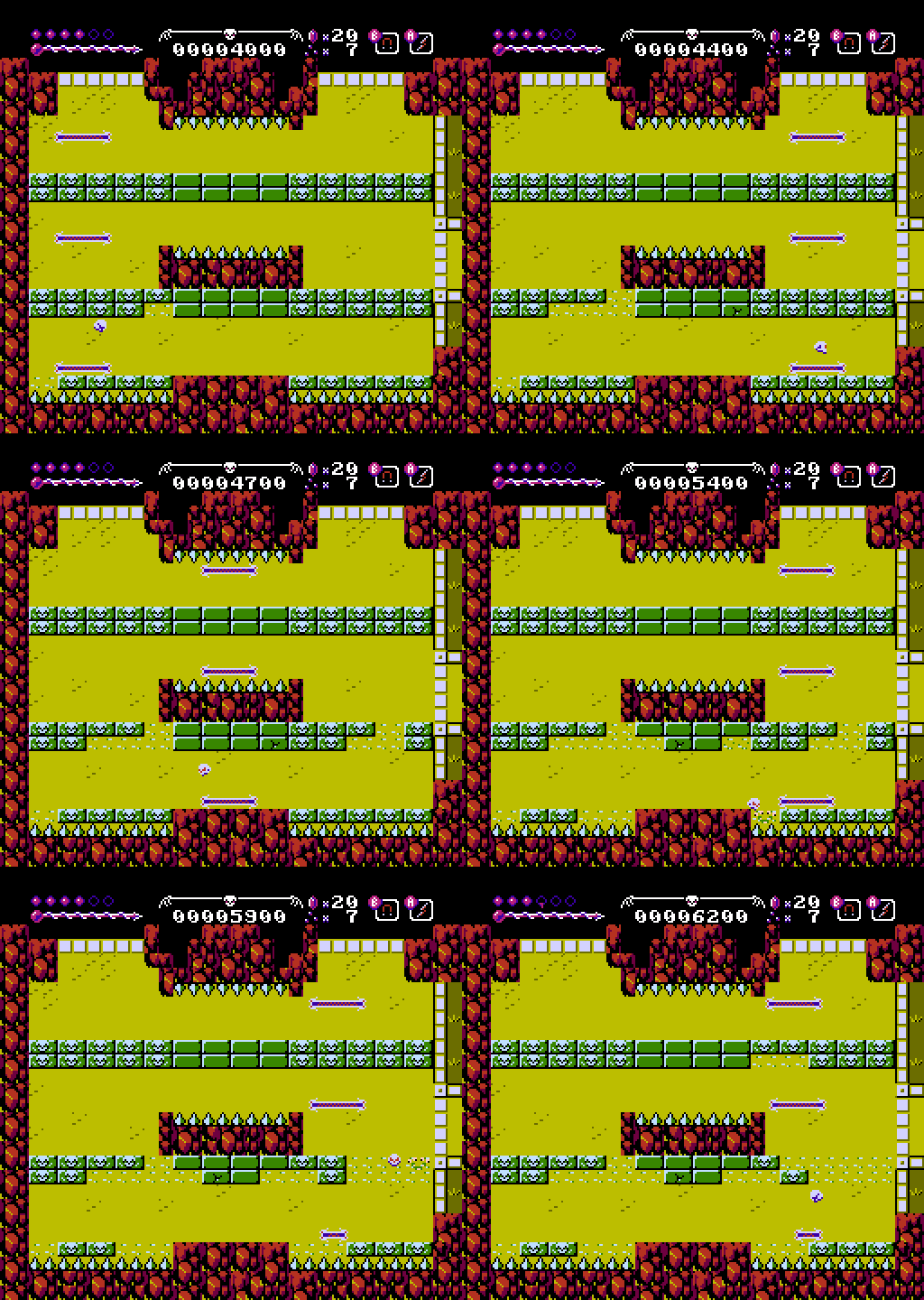
A new cartridge for the original Nintendo Entertainment System is blending two unlikely 8-bit genres, creating what its developer calls an “arkanoidvania.” The Trial of Kharzoid, developed by Pascal Bélisle and published via Broke Studio’s Homebrew Factory, fuses the brick-breaking mechanics of Taito’s 1986 classic Arkanoid with the exploration and boss battles synonymous with Konami’s Castlevania series.

📜 The Origin of ‘Metroidvania’The term ‘Metroidvania’ was popularized in the early 2000s by gaming communities to describe games with non-linear exploration, ability-gated progression, and interconnected maps. It specifically refers to the design philosophies of Nintendo’s Metroid (1986) and Konami’s Castlevania: Symphony of the Night (1997), which defined the subgenre.

According to the official product description, players control a magical skull, navigating labyrinthine levels, defeating large bosses, and even finding restorative chicken hidden in walls-a direct nod to Castlevania‘s signature hidden meals. The goal is to traverse deadly environments and ultimately storm the tower of the necromancer Kharzoid. The game successfully raised funds on Kickstarter earlier this year and is now available as a physical cartridge.

This hybrid approach continues a long tradition of genre fusion in gaming, most famously exemplified by the term “Metroidvania,” coined from the exploratory designs of Metroid (1986) and Castlevania: Symphony of the Night (1997). While modern hits like Hollow Knight have popularised that formula, The Trial of Kharzoid reaches further back, marrying the precise paddle-and-ball gameplay of the NES era with the gothic adventure structure that defined later titles in the Castlevania franchise.

📊 NES Homebrew By The NumbersOver 35 years: The NES was released in 1985, yet new games are still being developed for it.- Thousands of units: Successful NES homebrew physical releases often sell between 1,000 to 5,000 cartridges.- $30-$60: Typical price range for a new, physical NES homebrew cartridge with manual and box.

For the active retro homebrew scene, this release underscores the creative potential still being unlocked on the 40-year-old NES hardware. Publisher Broke Studio, which previously released Twin Dragons for the platform, specialises in bringing such projects to physical reality. The game’s existence speaks to a dedicated community of developers and players who continue to explore and expand the library of a console whose commercial life ended in the mid-1990s.

Whether “arkanoidvania” becomes a recognised subgenre remains to be seen, but The Trial of Kharzoid stands as a tangible example of the inventive spirit keeping classic platforms alive, directly challenging the perceived limitations of 8-bit game design.

Want more retro gaming news delivered to your inbox? Subscribe to our newsletter for weekly updates on classic gaming, preservation projects, and collector insights.
AYANEO Teases Pocket Play: A Modern Xperia Play Successor

AYANEO Teases Pocket Play: A Modern Xperia Play Successor

From the RetroShell news archive. Originally published 2025-12-11 on our former news site and restored here.

Handheld manufacturer AYANEO has just pulled back the curtain on its first foray into smartphones. The device, called the Pocket Play, is a modern reimagining of the classic Sony Xperia Play slider design, complete with hidden physical controls. The company teased the device on its official channels, positioning it as a spiritual successor to that iconic 2011 gaming phone.

It’s a bold move. The Xperia Play, often dubbed the ‘PlayStation Phone,’ developed a cult following but never achieved mainstream success. AYANEO seems to be betting that today’s mature Android emulation scene and a dedicated retro gaming audience can make the slider concept work where Sony couldn’t. The Pocket Play aims to be a proper smartphone first, but one that transforms into a dedicated gaming handheld with a slide of its screen.

📱 Pocket Play PreviewDesign: Modern slider with hidden controls- Key Features: D-pad, ABXY buttons, Smart Dual-Mode Touchpads- Target Release: 2026- Inspiration: Sony Xperia Play (2011)

What We Know So Far

Details are still light, but the core concept is clear. Sliding up the screen reveals a full set of physical controls: a D-pad, four face buttons (presumably ABXY layout), and what AYANEO is calling ‘Smart Dual-Mode Touchpads.’ These touchpads are intriguing-they could function as analogue stick replacements, mouse pointers for DOS games, or even as extra virtual buttons. It’s a feature set that suggests serious emulation ambitions beyond just 16-bit consoles.

The announcement places AYANEO directly into an increasingly crowded space of high-end Android handhelds. It joins devices like the recently announced Anbernic RG477V and the dual-boot Abxylute E1 in targeting gamers who want one device for everything from PS2 emulation to cloud streaming. The key differentiator for the Pocket Play is its integrated smartphone functionality. You wouldn’t need to carry a phone and a handheld; this aims to be both.

Of course, the big questions remain unanswered. What chipset will it use? How will battery life balance phone duties with gaming? And crucially, what will it cost? A 2026 target release date gives AYANEO plenty of time to refine the hardware, but it also means the competitive landscape could shift dramatically by then.

The original Xperia Play is remembered fondly for its concept, let down by underpowered hardware and limited official support. AYANEO, with its experience in the Windows and Android handheld market, might just have the right recipe to finally deliver on that 13-year-old promise. If they get the specs, software, and price right, the Pocket Play could be a genuine game-changer. For now, it’s a fascinating glimpse into a potential future where your gaming handheld is simply the phone in your pocket.

Want more retro gaming news? Subscribe to our newsletter for weekly updates.

Fan Translation Completes 3DS Epic 'Time Travelers

From the RetroShell news archive. Originally published 2025-12-11 on our former news site and restored here.

A major Japan-exclusive Nintendo 3DS game has just been unlocked for a global audience. A fan translation team has released a complete English patch for Time Travelers, the cinematic sci-fi adventure from Level-5 that never saw an official Western release.

The project was announced as complete on GBATemp, where the team shared the patch and installation details. You can find the original release thread and download links right here. For over a decade, the game’s dense, branching narrative was a barrier for non-Japanese speakers. Not anymore.

🎮 Game DetailsOriginal Release: Nintendo 3DS, 2012 (Japan)- Developer: Level-5 (Professor Layton, Ni no Kuni)- Genre: Cinematic, multi-path adventure

Originally released in 2012, Time Travelers is a unique beast. It’s less a traditional game and more an interactive anime with branching decision points. The story kicks off with a cataclysmic explosion in Tokyo, sending the protagonist and others spiralling through different time periods to prevent disaster. It’s packed with the high production values Level-5 is known for-full voice acting and slick animated cutscenes.

The translation patch is comprehensive. It covers all the game’s story text, menus, and, crucially, the subtitles for its lengthy cinematic sequences. This makes the complex, time-hopping plot fully accessible. It’s a significant piece of work, given the game’s text-heavy nature and reliance on its narrative.

This project is part of a wider, ongoing effort by dedicated fan translators to localise games that publishers left behind. It’s similar in spirit to the long-running project to translate Sega’s quirky Segagaga for the Dreamcast, which we covered when it entered its final phase. Both are passion projects aimed at preserving and opening up unique pieces of gaming history.

For 3DS enthusiasts with homebrew-enabled systems, this patch dramatically expands the library of playable titles. The console’s digital shop may be closed, but its physical and fan-supported library continues to grow in interesting ways. Installing the patch requires a modded 3DS or an emulator, with full instructions provided by the team on GBATemp.

It’s a great time to rediscover the 3DS, and projects like this are a big reason why. A whole cinematic adventure, once locked away, is now ready to play.

Want more retro gaming news? Subscribe to our newsletter for weekly updates.

GammaOS Next Custom Firmware Fixes RG DS Screen Bug

GammaOS Next Custom Firmware Fixes RG DS Screen Bug

From the RetroShell news archive. Originally published 2025-12-09 on our former news site and restored here.

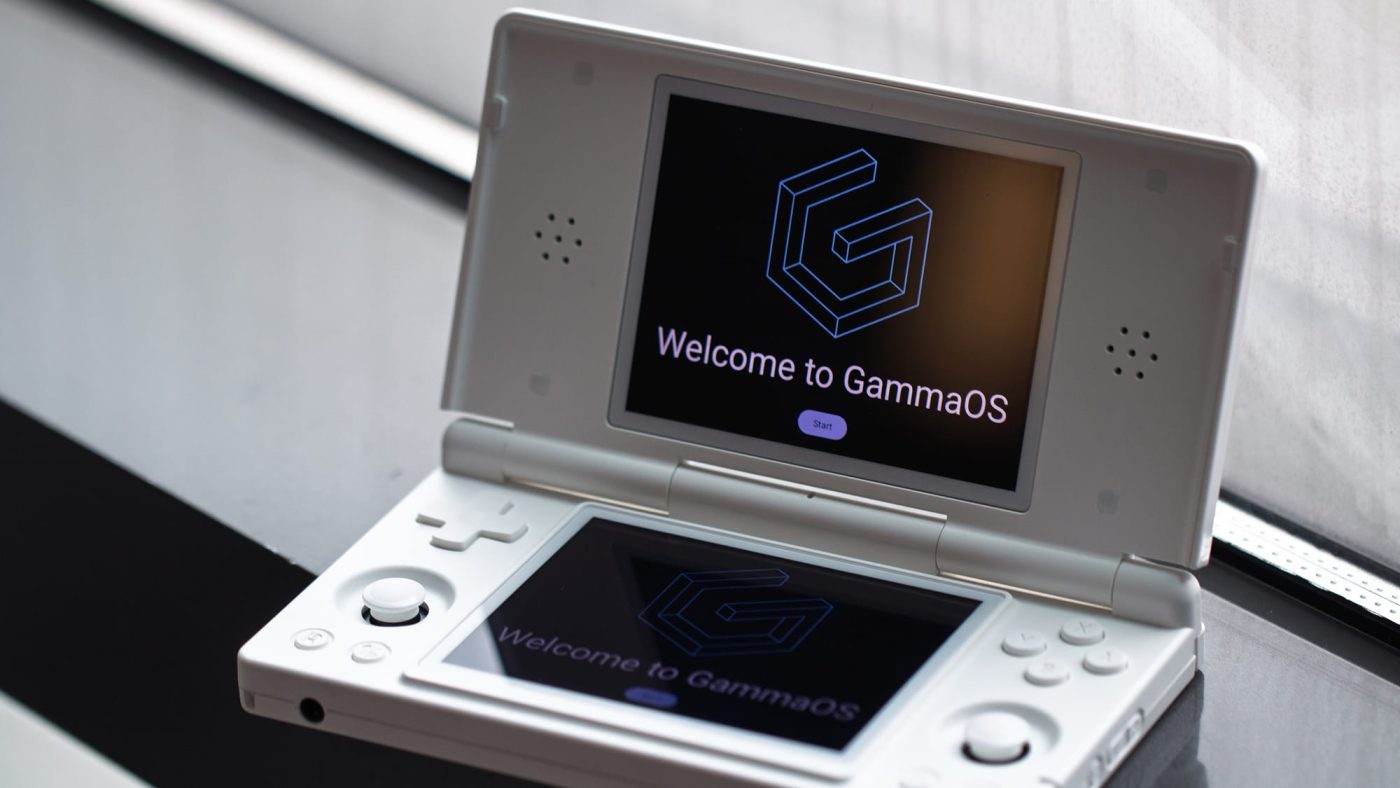
Developer TheGammaSqueeze has released a preview build of GammaOS Next for the Anbernic RG DS, directly targeting the dual-screen handheld’s most infamous flaw. The custom firmware, announced on GitHub, is based on Android 14 and aims to transform the device from a buggy curiosity into a polished emulation machine.

It’s a significant move for a device that launched with a major technical hiccup. The RG DS’s top screen was locked to a 40Hz refresh rate in its stock firmware, causing noticeable stutter and a poor experience. While Anbernic did release an official update to fix it, GammaOS Next goes much further, rebuilding the entire user experience from the ground up.

📊 Quick SpecsVersion: GammaOS Next v1.1.1 (Preview)- Base OS: Android 14 / LineageOS 21- Key Fix: 40Hz top screen bug eliminated- Status: Preview for creators, public release soon

What’s New Under the Hood?

The changelog is extensive. Beyond nuking the 40Hz bug, it fixes the secondary screen latency in the Drastic DS emulator (a feature called DualStack) and even allows RetroArch to launch directly on the second screen. The deep sleep function, often broken on Android handhelds, has been repaired. Performance is a major focus, with claims of reduced rendering latency, less animation jitter, lower background CPU use, better thermal management, and faster boot times.

Perhaps the most user-facing change is the new ‘Immersive Mode’, designed to hide Android’s navigation bars and notifications for a more console-like, distraction-free experience. A new audio engine called GammaEQ and a global shader pipeline for system-wide retro effects round out the premium features.

This release brings the RG DS in line with other Anbernic devices like the RG405M and RG505, which are already on the same GammaOS Next base version (1.1.0). For context on the original fix, we previously covered Anbernic’s own firmware update for the 40Hz bug.

A Preview With Promise

It’s important to note this is currently a preview build intended for content creators and reviewers. The developer states the public release will coincide with the RG DS shipping to pre-order customers. For tinkerers who can’t wait, the full installation files and instructions are available on the GammaOS Next GitHub release page.

The project demonstrates the vibrant third-party development scene around Android handhelds. While manufacturers provide the hardware, it’s often community-driven software like this that unlocks a device’s true potential, smoothing over rough edges and adding thoughtful features the OEM missed. For RG DS owners, it could be the update that makes the device finally live up to its concept.

Want more retro gaming news? Subscribe to our newsletter for weekly updates.

Bad Dudes Vs. Dragon Ninja Gets Unofficial Sega Genesis Port

From the RetroShell news archive. Originally published 2025-12-09 on our former news site and restored here.

In a move that’s sure to delight fans of classic coin-ops, developer Andrea Baldiraghi (known online as TheRoboZ) is creating an unofficial port of Data East’s 1988 arcade hit Bad Dudes Vs. Dragon Ninja for the Sega Mega Drive / Genesis. The project aims to deliver a slice of arcade history to a console that never officially received it.

Baldiraghi shared early footage of the port on Twitter, showcasing the iconic side-scrolling action and the game’s memorable, if slightly ridiculous, premise. For those who need a refresher, Bad Dudes tasks you and a friend with rescuing the President of the United States (affectionately nicknamed ‘President Ronnie’) from a gang of, you guessed it, dragon ninjas. It’s a quintessential late-80s arcade experience, full of over-the-top action and one-liners.

📊 Quick SpecsOriginal Release: 1988 (Arcade)- Official Ports: NES, various compilations- Target Platform: Sega Genesis / Mega Drive- Developer: Andrea Baldiraghi (TheRoboZ)- Status: In development

While the game saw a well-known port to the NES, it never made the jump to any Sega system during the 16-bit era. This fan project seeks to correct that historical omission, joining a growing library of impressive unofficial ports that breathe new life into classic hardware. It’s a trend we’ve seen before, like with the unofficial *Star Fox 64* port for the Dreamcast, proving the retro community’s passion for seeing beloved games on new-old platforms.

Technical Ambitions

From the early footage, the port looks promising, capturing the fast-paced, two-player co-op brawling of the original. Baldiraghi is no stranger to this kind of ambitious technical endeavour; he is also the developer behind the highly anticipated fan-made R-Type port for the Genesis. His work demonstrates a deep understanding of the console’s capabilities, aiming to push the hardware to deliver an authentic arcade feel. Fans can follow his progress directly on his Twitter account.

A Legacy of Dudes

Bad Dudes was successful enough to spawn a sequel, Two Crude Dudes (also known as Crude Buster), though that too never saw a Genesis release. Both games are preserved on modern platforms like the Evercade and Polymega, but there’s a unique charm to experiencing them on period-accurate hardware. This port represents a ‘what could have been’ scenario for Sega owners in the early 90s, finally giving them a chance to answer the iconic question: “Are you a bad enough dude to rescue the President?”

The project is a fantastic example of the retro gaming community’s dedication to preservation and creative expansion. It’s not just about emulation; it’s about reimagining gaming history and filling in the gaps left by official releases. While we await a release date, the prospect of ninja-bashing on genuine Genesis hardware is an exciting one for collectors and players alike.

Want more retro gaming news? Subscribe to our newsletter for weekly updates.

FPGA Sega Neptune Clone Delayed to 2026 for Polish

FPGA Sega Neptune Clone Delayed to 2026 for Polish

From the RetroShell news archive. Originally published 2025-12-09 on our former news site and restored here.

Brazilian hardware company GamesCare has announced a significant delay for its upcoming FPGA console, the GF1 Neptune. The project, which aims to physically recreate Sega’s cancelled Genesis/32X combo console, has been pushed from a planned December 2025 launch all the way to 2026. The news was confirmed in a statement reported by TimeExtension.

The delay, while disappointing for eager fans, is being framed as a necessary step. GamesCare states the extra time is required to ensure a “stable and high-quality experience” for the console’s software and FPGA cores, which are being developed with help from the community. The original Sega Neptune was a fascinating ‘what if’ from the mid-90s-a single-unit console designed to merge the Mega Drive with the ill-fated 32X add-on. It was ultimately scrapped as Sega pivoted its resources towards the Saturn, leaving the Neptune as a legendary piece of vapourware.

📊 The GF1 Neptune at a GlanceCore Tech: FPGA-based hardware recreation- Media: Plays Genesis/Mega Drive & 32X cartridges from all regions- Output: HDMI up to 1080p- Connectivity: SD card slot, internet connectivity- New Launch Window: 2026

What’s Taking So Long?

Recreating a console that never officially existed is no small feat. The GF1 Neptune isn’t just an emulation box; it’s an FPGA-based system designed to mimic the original hardware at a circuit level. This approach promises high accuracy and low latency, but it’s complex. The delay suggests GamesCare and its community developers are taking the task seriously, wanting to get the core behaviour for both the 16-bit Genesis and the more temperamental 32X hardware just right. Getting 32X games, known for their spotty compatibility even on original hardware, to run flawlessly is likely a key challenge.

Community Reaction & The Bigger Picture

While no one likes a delay, the sentiment leans towards preferring a polished product over a rushed one. The GF1 Neptune enters a niche but growing market of high-end FPGA consoles, competing with the likes of Analogue’s systems. Its unique hook is being the only device specifically crafted to realise Sega’s cancelled vision, complete with cartridge slots for both Genesis and 32X games-a boon for collectors with original libraries.

For now, the dream of holding a ‘real’ Neptune is on hold. The extra year of development, however, could be what transforms the GF1 from a curious novelty into a truly definitive way to experience one of gaming’s great lost consoles. We’ll be keeping a close eye on its progress.

Want more retro gaming news? Subscribe to our newsletter for weekly updates.

Mighty Final Fight Forever Fan-Made NES Sequel Demo Released

Mighty Final Fight Forever Fan-Made NES Sequel Demo Released

From the RetroShell news archive. Originally published 2025-12-08 on our former news site and restored here.

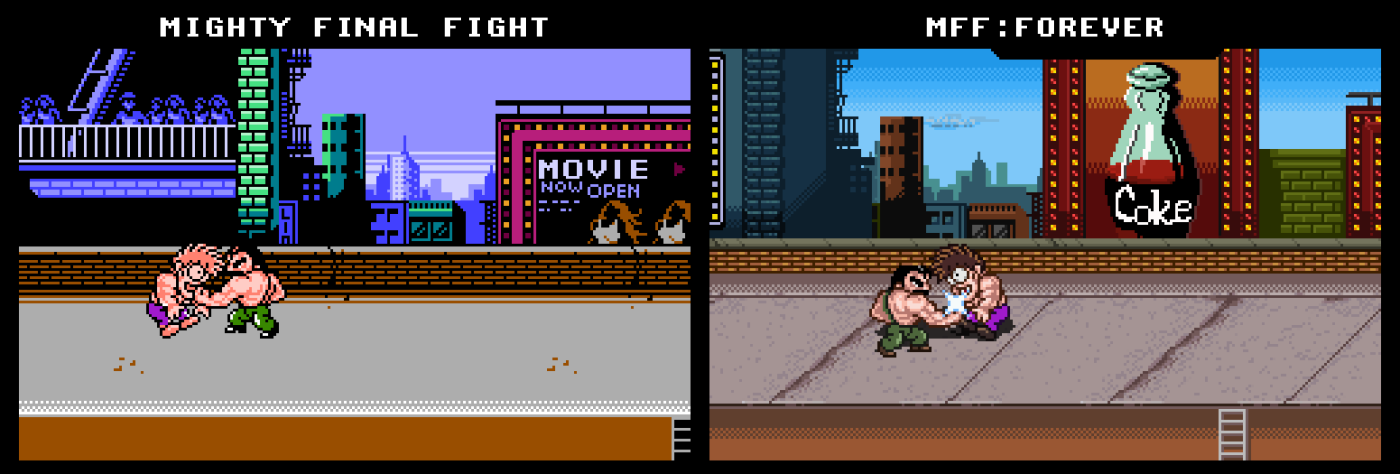
Fans of pixelated pugilism, rejoice! A free, playable demo for Mighty Final Fight Forever, a fan-made sequel to Capcom’s 1993 NES classic, has just been released. The project, developed by Czech studio Bouncer Games (Daniel99j), aims to deliver a brand-new chapter for the chibi-style brawler, and you can grab the demo right now. The full announcement and details can be found on the official project page.

Set four years after the original, the story sees Mayor Mike Haggar, Cody, and Guy reunite to save Metro City once more. Built using the OpenBOR engine, this labour of love promises a massive expansion of the 8-bit formula with new characters, moves, levels, and a remixed soundtrack. It’s the latest in a fantastic trend of dedicated fan developers breathing new life into classic franchises, much like the recent unofficial *Star Fox 64* Dreamcast port.

📊 Quick SpecsPlatform: Windows (Demo v0.15)- Price: Free (Full game will also be free)- Engine: OpenBOR- Modes: 2-Player Co-op, Retro Mode, Arena- Setting: Metro City, 1997

What’s in the Demo?

The demo, version 0.15, offers a substantial taste of what’s to come. Players can battle through remade levels from the original Mighty Final Fight alongside completely new stages. The core trio-Haggar, Cody, and Guy-return with redesigned sprites and expanded move sets. The package is rounded out with a 2-player co-op mode, a ‘Retro’ mode for a purist experience, and an Arena mode for testing your skills. The soundtrack features both faithful remakes of the iconic NES tunes and brand-new compositions.

You can download the demo directly from Bouncer Games or via its GameJolt page.

A Community Passion Project

It’s crucial to note that Mighty Final Fight Forever is a non-profit, freeware project. The developers have stated the full game will be completely free upon completion, driven purely by passion for the source material. This ethos has been warmly received in communities like r/SBCGaming, where fans are always on the lookout for great new retro-style experiences to play on handheld devices. It’s a testament to the enduring legacy of these 8-bit classics and the creativity they continue to inspire decades later.

For those who want to experience the original cartridge in its best light, protecting your classic games is key. A quality case can make all the difference for your collection.

Mighty Final Fight Forever is shaping up to be a heartfelt and impressive tribute. If the demo is anything to go by, fans of the series have a thrilling, fist-flying future to look forward to.

Want more retro gaming news? Subscribe to our newsletter for weekly updates.

GoldenEye 007 Looks 'Incredible' at Forced HD on Analog

GoldenEye 007 Looks 'Incredible' at Forced HD on Analog

From the RetroShell news archive. Originally published 2025-12-08 on our former news site and restored here.

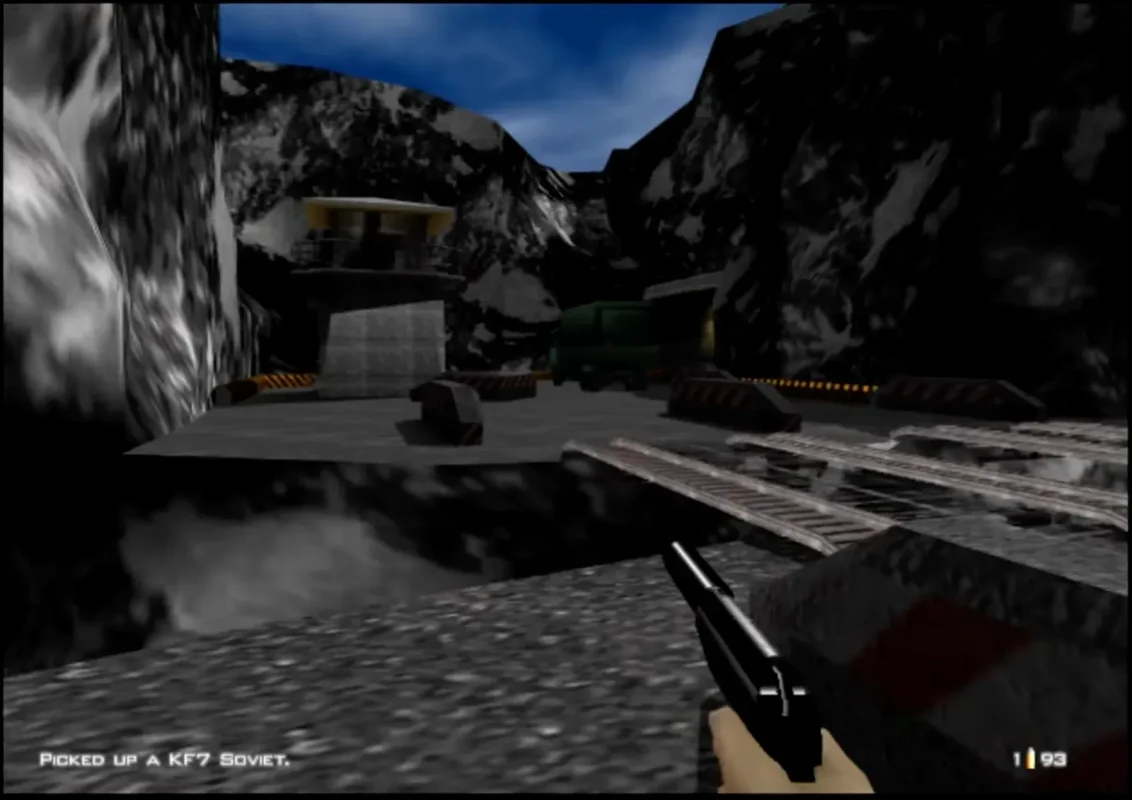
A Reddit user has showcased a dramatic visual upgrade for GoldenEye 007 on the Analogue 3D, using the console’s ‘Unleashed’ mode to force the game into a higher resolution. The post on r/AnalogueInc, which has garnered significant attention, features video proof of the game running at a forced 640x480i, a world away from its original, often muddy 320×240 output.

It’s a trick that leverages the power of the Analogue 3D’s FPGA hardware. The user describes being ‘blown away’ by the improvement, and it’s easy to see why. Textures are sharper, edges are cleaner, and the iconic Dam level looks more defined than ever before. This isn’t just upscaling; it’s making the game render more internally, a feat only possible on modern recreation hardware like this.

📊 Quick SpecsGame: GoldenEye 007 (N64)- Forced Resolution: 640x480i- Mode Used: Analogue 3D ‘Unleashed’- Original N64 Res: Often 320×240

How the ‘Unleashed’ Mode Works

The magic happens thanks to a recent firmware update for the Analogue 3D. As we reported earlier, the ‘Unleashed’ mode is a headline feature of firmware 1.1.9. It allows compatible games to be forced to render at higher internal resolutions than the N64 was originally capable of outputting. The console’s FPGA then handles the scaling and output. For GoldenEye, a game famously difficult to emulate accurately due to its unique programming, seeing it not only run flawlessly but look this good is a major win for the community.

A New Standard for Retro?

The reaction in the subreddit and beyond has been one of excitement, with many wondering which other N64 classics could benefit from similar treatment. It raises an interesting question about preservation and enhancement. While purists will always champion the original CRT experience, demonstrations like this offer a compelling alternative for modern displays. It’s part of a wider trend of giving old games new life, much like the unofficial *Star Fox 64* Dreamcast port or the revival of classic code we see in projects like Cubiboot for the GameCube.

The video demonstration, available on YouTube, makes the difference crystal clear. It’s a testament to how far FPGA technology has come, offering authentic hardware-level accuracy with the ability to push beyond the original console’s limitations. For fans of Rare’s seminal shooter, it might just be the definitive way to play on modern hardware.

Want more retro gaming news? Subscribe to our newsletter for weekly updates.