In a surprising homage to both classic gaming and modern fighting franchises, an indie developer, known on X as @RheoGamer, has managed to create a demo version of “Street Fighter IV” for the Sega Mega Drive. This remarkable feat combines the beloved mechanics and characters of the 2008 Street Fighter game with the nostalgic 16-bit graphics of the early ’90s console. The demo, which showcases characters like Ryu, Ken, and Chun-Li in a simplified but recognizable form, has sparked excitement across the gaming community, particularly among those with a fondness for retro gaming.
The developer utilized the SGDK (Sega Genesis Development Kit) to bring this project to life, demonstrating not only a deep understanding of the original game’s mechanics but also an impressive capability to adapt them to the significantly more limited hardware of the Mega Drive. This development has been shared widely on X, where it has received praise for its authenticity in translating the feel of Street Fighter IV into a format that many thought impossible. Fans have been sharing clips and screenshots, marvelling at how close the experience feels to the arcade original, despite the hardware constraints.
While no official release is announced, the demo has ignited conversations about the potential for more such projects, bridging the gap between modern gaming and retro hardware. This has also led to debates on the feasibility and desirability of porting other modern games to classic systems, highlighting the ongoing passion for retro gaming and the creative possibilities within the indie development scene. The project serves as a testament to the enduring appeal of Street Fighter and the innovative spirit of the gaming community.
If you are looking for the words best display protectors for the Sega Megadrive / Genesis, be sure to check out RetroShell.
The Sega Dreamcast, with its legendary 9/9/99 release date, recently celebrated its 25th anniversary. This console, Sega’s swan song in gaming hardware, remains a fan favourite thanks to its innovative features and unforgettable games like Sonic Adventure, Shenmue, and Resident Evil Code: Veronica.
To honour this iconic system, we’re diving into what it takes to build the ultimate Dreamcast—a modernized version of the retro console that combines cutting-edge mods, thoughtful upgrades, and a splash of personal style. Whether you’re a modding enthusiast or a retro gaming fan looking to revitalise your setup, this guide will inspire your next Dreamcast build.
Step 1: Starting with a Rare VA0 Dreamcast Model
Our build begins with the VA0 Dreamcast model, the first revision of the console. While externally identical to other Dreamcasts, the VA0 features a unique and robust cooling system with heat pipes and a metal heat sink. This rarity makes it an ideal base for an upgraded system designed to handle modern modifications.
Step 2: Installing the GDEMU Optical Drive Emulator
The first major upgrade is the GDEMU, an optical drive emulator that replaces the original GD-ROM drive with a modern SD card-based solution. This eliminates the wear-and-tear risks of mechanical drives and provides faster loading times for your favourite games.
However, the VA0 model requires some tweaking—specifically, replacing resistors to adjust the voltage from 5V to 3.3V to ensure compatibility with the GDEMU. It’s a small but necessary step to keep this mod running smoothly.
Step 3: Adding a Custom BIOS Chip
Next, we replace the original BIOS chip with a custom BIOS that enables region-free gaming and introduces a custom startup animation. While the GDEMU allows for playing imports, the BIOS upgrade enhances the console’s capabilities and adds a personalised touch. This chip also unlocks quirky features, such as a modified boot screen, making the Dreamcast truly your own.
Step 4: Upgrading to HDMI with PixelFX Retro GEM
No modernised console is complete without crisp, high-definition visuals. The PixelFX Retro GEM HDMI kit transforms the Dreamcast’s output, offering up to 1440p resolution via a full-size HDMI port. The mod includes scaling options, aspect ratio adjustments, and even a direct mode that allows you to connect the console to an external scaler for even more customization.
This mod is challenging to install, requiring precise soldering of a ribbon cable, but the end result is a Dreamcast that looks stunning on today’s 4K TVs.
Step 5: Swapping the Shell for a Custom Look
To give the console a fresh aesthetic, swap the original casing for a translucent Sonic Blue shell. The vibrant colour modernises the look while preserving some of the original charm by reusing the grey buttons, controller port shroud, and lid hardware. The result is a visually striking console that feels authentic and contemporary.
Step 6: Installing a USB-C Power Supply
The Dreamcast’s original power supply operates at Japan’s 100V standard, limiting its usability in other regions. By installing a USB-C power supply, the console becomes universally compatible and capable of running on 100V, 120V, or 240V standards. This upgrade also allows for a sleek, modern power setup with a USB-C charger, reducing the console’s footprint and adding convenience.
Step 7: Improving Cooling and Fan Noise
The VA0’s fan was lubricated with bearing oil to improve performance and reduce noise, while outdated thermal pads were replaced with high-quality alternatives. These small tweaks ensure the console runs cooler and quieter, preserving its longevity and enhancing the gaming experience.
Step 8: Enhancing the Controller Setup
To complete the ultimate Dreamcast, we upgraded to the Retro Fighter Striker Wireless Controller. This modern accessory offers wireless convenience while maintaining compatibility with the VMU. While other controllers like the DreamConn+ offer even more advanced features, such as internal VMU support, their premium price may not suit every budget.
For added flair, the VMU itself was swapped out for the VM2, which features a backlit display, USB-C charging, and virtually unlimited storage via microSD cards. These enhancements make the Dreamcast’s unique memory system more functional and user-friendly.
Step 9: Final Touches and Troubleshooting
The final steps involved resolving a compatibility issue with the GDEMU by 3D-printing a custom bracket and adding a unique custom BIOS startup screen for an extra dose of personality. After troubleshooting and fine-tuning, the build was complete—a fully tricked-out Dreamcast that combines retro charm with modern convenience.
Why Build the Ultimate Dreamcast?
The Dreamcast is more than a gaming console; it’s a piece of history. Building the ultimate Dreamcast breathes new life into this beloved system, allowing it to shine on modern hardware while preserving its legacy. From high-definition visuals to wireless controllers, this project proves that retro consoles can evolve without losing their nostalgic appeal.
Conclusion: A Dream Revived
This Dreamcast build showcases the incredible potential of the retro modding community and highlights why the console remains a favourite among gamers. Whether you’re playing classics like Shenmue or exploring indie titles, this setup offers the ultimate Dreamcast experience.
What mods would you add to your Dreamcast? Share your thoughts in the comments, and stay tuned for more retro gaming projects. If you’re looking to modernise your Dreamcast, this build is the perfect blueprint to get started.
In an era where nostalgia meets innovation, ModRetro introduces “Dragonyhm,” a new role-playing game (RPG) that promises to captivate fans of the classic Game Boy Color. Available for pre-order, this title not only brings back the charm of yesteryears but also introduces it to a new generation of gamers.
An Epic Tale Set in Archend
“Dragonyhm” plunges players into a vivid fantasy world where peace has long settled after a brutal conflict with dragons. The tranquillity is shattered when the esteemed protector, Kurtis, vanishes, leading to the awakening of sealed dragons. Players take on the role of Kris, Kurtis’s son, embarking on a quest to find his father and restore peace to the kingdom of Archend.
Gameplay That Honors Tradition
This game combines real-time exploration with classic turn-based battles, offering a gameplay experience that feels both familiar and fresh. Whether navigating through the main dungeons, which vary in complexity and are rich with narrative or tackling the sealed dungeons housing the mightiest dragons, “Dragonyhm” respects the legacy of RPG mechanics while adding modern twists.
Why “Dragonyhm” Stands Out
Compatibility: While designed for the ModRetro Chromatic, “Dragonyhm” remains compatible with original Game Boy Color consoles, ensuring accessibility for all retro gaming enthusiasts.
Collector’s Appeal: The game comes with a host of collector-friendly items including a sealed box, a clear back cartridge, an instruction booklet, and unique artwork on the PCB.
Narrative Depth: The storyline is crafted with depth, featuring memorable characters and a rich backstory that unfolds as you explore the land of Archend.
In a delightful nod to nostalgia, Limited Run Games has unveiled the Snow Bros. Deluxe Edition for the classic Nintendo Entertainment System (NES), bringing back the beloved arcade game that has captured hearts since its 1990 debut. This re-release has sparked excitement among both long-time fans and new gamers eager to experience the chilly adventures of Nick and Tom.
A Blizzard of Fun: Snow Bros., originally developed by Toaplan, features the mischievous duo, Nick and Tom, as they transform into snowmen to save their kingdom from the icy grip of King Scorch. The gameplay involves turning enemies into snowballs and rolling them across the screen to clear levels, a mechanic that remains as engaging today as it was decades ago.
Deluxe Edition Details: The Deluxe Edition for NES comes on a playable cartridge, ensuring the authentic feel of the original hardware. Pre-orders for this limited edition are now open, with a closing date of Sunday, January 26, 2025, at 11:59 PM Eastern Time. This release is not just a revival but a collector’s dream, complete with a clear snowy sparkle cartridge that enhances the tactile joy of gaming.
Why It Matters: Limited Run Games is renowned for its commitment to preserving gaming history through officially licensed, highly collectable editions. Each game is only printed once, making this Snow Bros. re-release a rare opportunity for gamers to own a piece of video game heritage.
Fan Reactions: The announcement has been met with waves of enthusiasm across gaming communities. On platforms like X, discussions are buzzing with fans sharing memories, gameplay tips, and their excitement for this throwback. “Winter is here, and so are the Snow Bros!” has been a popular sentiment, reflecting the community’s warm welcome to this frosty adventure.
The Legacy Continues: Snow Bros. has seen various releases over the years, but this Deluxe Edition on the NES marks a significant return to its roots. It’s not just about playing an old game; it’s about reliving the magic of a time when video games were a simpler, yet profound joy.
For those looking to dive into this snowy saga or add to their retro collection, the Snow Bros. Deluxe Edition for NES is available for pre-order. Don’t miss your chance to chill out with Nick and Tom once more. If you are looking for the finest display case and protection for this release, you can check out our collection of protectors for the NES, Genesis and many other retro consoles.
Tokyo, December 26, 2024 – A recent survey conducted by Toys King, operators of “T-BASE JAPAN,” reveals that 70% of Generation Z (born between 1996 and 2012) are captivated by the revival of ‘retro culture’, with a significant focus on retro games. The survey, aimed at understanding the preferences and buying habits of this demographic, highlights the unique appeal and freshness of retro games as key factors driving this trend.
Key Findings from the Survey:
Interest in Retro Culture: About 60% of Generation Z expressed interest in retro culture, with 20.5% being “very interested” and 39.5% “somewhat interested.”
Popular Genres: The most popular genres within retro culture include miscellaneous goods (39.2%), food (38.4%), anime (37.4%), and games (36.9%), indicating a broad appreciation for nostalgic elements in daily life and entertainment.
The appeal of Retro Games: The allure of retro games lies in their “interesting” nature (46.9%), the unique enjoyment from a new perspective (38.8%), and habit-forming soundtracks (38.8%).
Buying Preferences: Approximately 60% of those interested in purchasing retro games prefer buying from physical stores, citing quality checks and the security of direct purchase as decisive factors.
Concerns with Online Purchases: Common anxieties include doubts about product authenticity, operational conditions of games, and the reliability of online transactions.
Why Retro Games?
Generation Z’s interest in retro gaming is driven by the desire to experience gameplay elements not found in modern video games, such as unique challenges, simple operations, and distinctive music and sound effects. This nostalgia combined with a fresh discovery aspect seems to be particularly engaging for young gamers.
Retail Experience:
For those looking to dive into the world of retro games, “T-BASE Shibuya PARCO Store” was recommended as a go-to destination. Located in Shibuya PARCO, it began handling retro games in August 2024, offering a range of vintage gaming experiences from the 80s and 90s.
Survey Details:
Conducted: October 17-18, 2024
Method: Online survey via PRIZMA
Participants: 1,004 Generation Z individuals
Source: Toys King (Yamato Co., Ltd.)
This trend underscores a broader cultural shift where the value of simplicity, challenge, and nostalgia in gaming is making a strong comeback, particularly resonating with a generation that values both novelty and history in their entertainment choices.
If you are a collector, and want to check out the world’s finest display cases for your retro collection, check out RetroShell’s range of premium protectors.
A nostalgic journey through gaming history awaits collectors and enthusiasts as Fabli launches pre-orders for their “Classic Game Expo Calendar 2025,” featuring iconic gaming systems from the 1970s and 1980s. The calendar showcases images from Isao Yamazaki’s acclaimed visual book “Classic Game Expo,” published by Rittosha. Customization and Pricing Customers can personalize their calendars by selecting from 57 historic photographs, with two size options available: • B4 size: 5,170 yen / €31.50 / £26.30 / $32.50 • A4 size: 4,270 yen / €26.00 / £21.80 / $26.90
Historic Coverage The calendar’s collection spans the evolution of gaming hardware, beginning with the world’s first home gaming console, the ODYSSEY, and extending to sophisticated vector-scanning devices like the Light Speedboat. Featured systems include pioneering consoles such as: • Early integrated consoles like TV Tennis PONG and TelespoBlack • Cassette-based systems including Channel F and Cassette Vision • Revolutionary gaming computers such as the Max Machine and SC-3000
This curated collection represents a comprehensive visual archive of gaming’s formative years, documenting the transition from simple integrated consoles to more advanced cassette-based systems and early gaming computers. Each image has been carefully preserved from the original publication, offering collectors and gaming enthusiasts a year-long celebration of video game history.
In the heart of Tokyo at the SIGGRAPH Asia 2024 conference, a remarkable endeavour was unveiled, one that delves into the rich cultural tapestry of video game creation. Four leading companies in the gaming world – Square Enix, Capcom, Taito, and Sega – have embarked on a journey to archive their historical development materials, transforming what was once deemed expendable into precious historical treasures for research and exhibition.
The Cultural Significance of Gaming Archives
Video games have evolved from mere pastimes to cultural phenomena, with their development materials from the 80s and 90s, like blueprints and sketches, becoming pivotal historical items. These artefacts provide insights into how games were conceptualized and crafted, fostering an understanding of the evolution of video game design, technology, and art.
Square Enix’s Trailblazing Archival Work
Square Enix, led by AI researcher Yoichiro Miyake, has been at the forefront of this archival movement. Since 2019, Miyake has been exploring the archives of Enix before its merger with Square, revealing materials previously undocumented. This discovery likened to finding a “treasure trove,” has sparked a project to digitize and manage these assets for future use, involving the photographing of physical items and their conversion into digital formats for research.
Capcom’s Archival System – CIAS
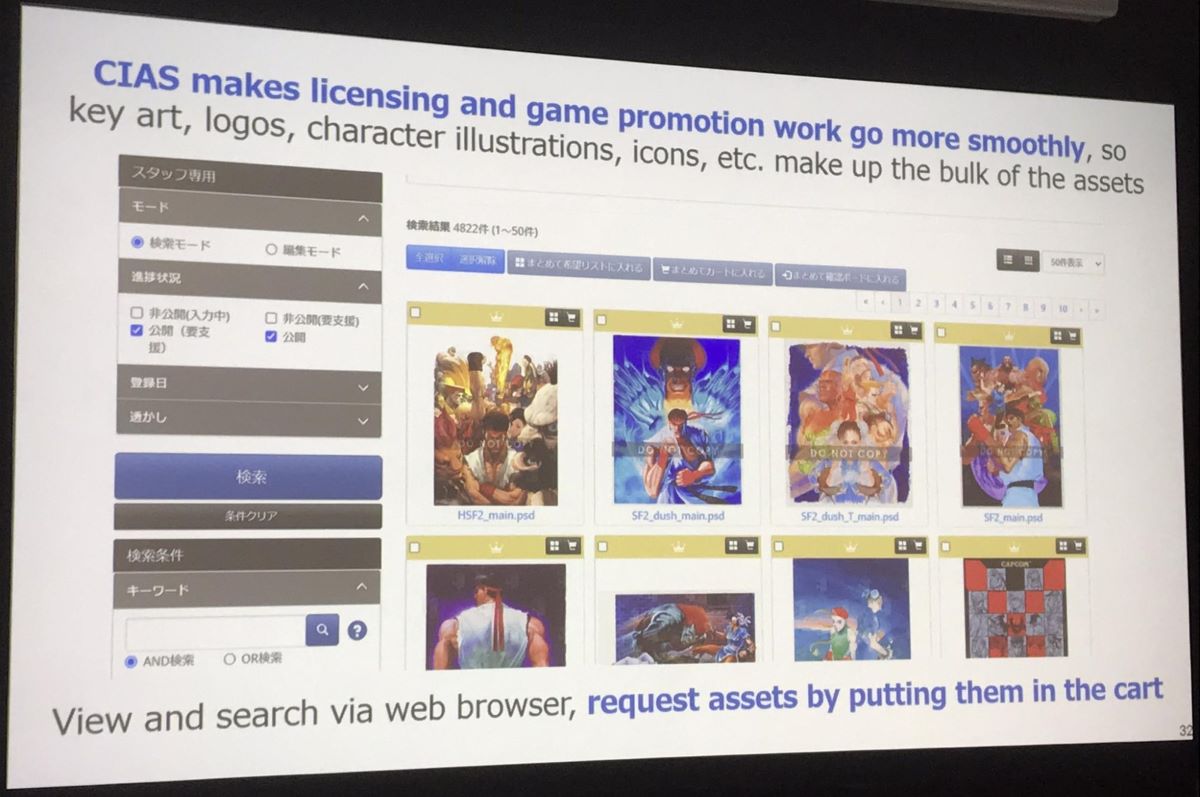
Capcom has developed the Capcom Illustrations Archives System (CIAS) to manage its historical assets, focusing on art and design elements for games like “Street Fighter” and “Rockman.” This system not only preserves these assets but also leverages them for current marketing and game development, showcasing a practical application of historical preservation.
Taito’s Challenges and Triumphs in Legacy Preservation
Taito, with its roots deep in arcade gaming history since 1953, faces unique challenges in preservation, including space and material deterioration. Despite these obstacles, they maintain a vast archive of arcade hardware, software, and even microfilms, which they proudly display at events commemorating their legacy.
Sega’s Recent Dive into Preservation
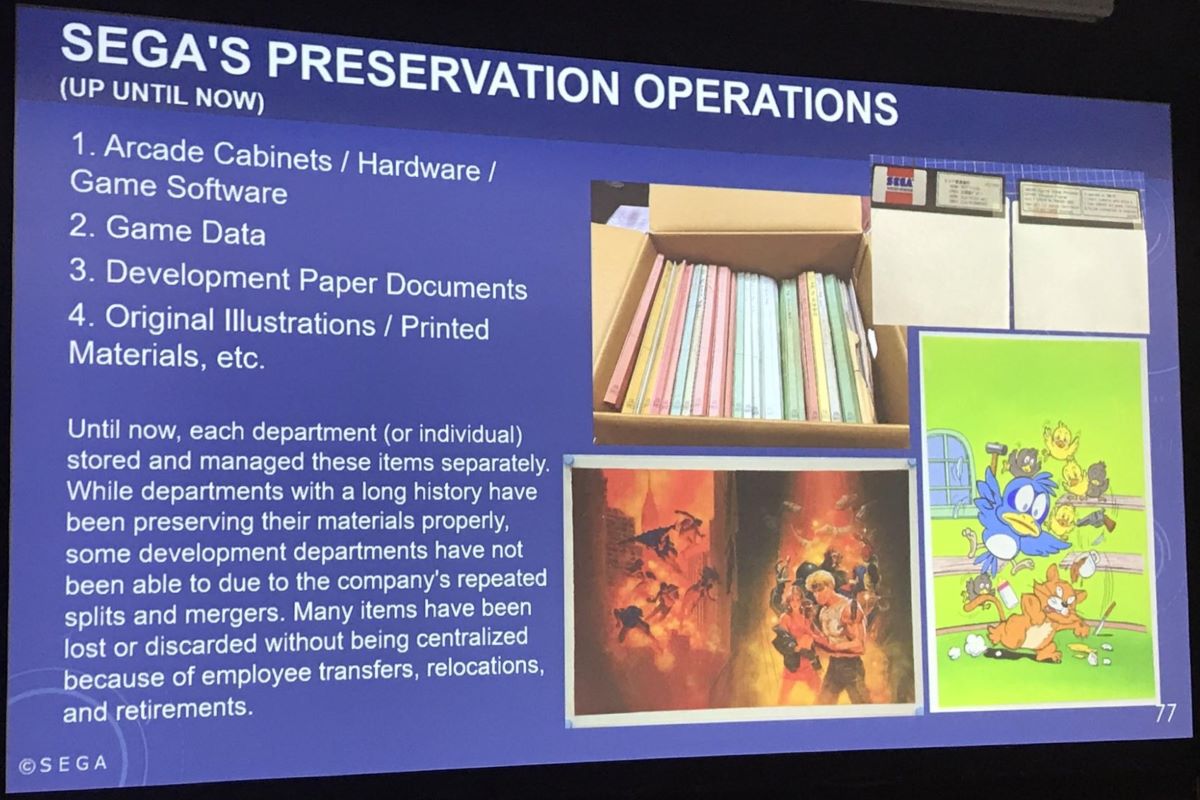
Sega, starting its preservation efforts in 2023, is now aggressively digitizing and cataloguing its past, from arcade machines to original artwork. This initiative includes plans to incorporate materials from subsidiaries like Atlus, aiming to create a comprehensive historical database.
Preserving the Physical: The Role of Game Boxes
The physical packaging of games, especially from the golden age of consoles like the NES and SNES, holds significant cultural and artistic value. These boxes are not just containers but pieces of art that reflect the era’s design and marketing ethos. Preserving them is crucial for collectors and historians to experience games as they were initially presented. For those keen on safeguarding these relics, RetroShell (www.retroshell.com) provides an array of display protectors designed to keep your collection safe from environmental damage, ensuring these artefacts can be enjoyed for years to come.
The Broader Impact of Preservation
The collective effort by these companies underscores a commitment to not just preserve history but to use it as a foundation for future innovation. This archival work teaches us about our past, informing current and future creators while also celebrating video games as cultural artefacts.
Envisioning the Future
As articulated by Yoichiro Miyake, the preservation of these materials is about building a bridge between generations of creators. By maintaining these archives, the industry ensures a continuous dialogue that honours its history while paving the way for future advancements.
This initiative highlighted at SIGGRAPH Asia 2024 not only showcases the industry’s dedication to cultural heritage but also serves as a model for preservation across various fields, safeguarding a slice of digital culture for future generations to study and enjoy.
In a delightful blend of nostalgia and modern tech, Columbus Circle has announced the release of their latest gem, the “8-bit Compact HD” compatible device for FC (Famicom). Slated for a late February 2025 release, this device promises to bridge the gap between classic gaming and today’s high-definition standards. Here’s what you need to know:
What’s New with the “8-bit Compact HD”?
The “8-bit Compact HD” is not just another retro console clone. Here are the key features that set it apart:
HDMI Connection: This feature allows you to enjoy your favorite “NES” games in HD, with a resolution up to 720p. Imagine playing Super Mario Bros. with crisp, clear visuals on your modern TV.
Screen Ratio Change Switch: A nod to both tradition and modernity, this switch lets you choose between “Standard (4:3)” to relive the authentic Famicom experience or “Wide (16:9)” for a more contemporary viewing experience, perfect for those who prefer widescreen.
Pricing Details
The device will be available for 9,878 yen. For those interested in the international market, here’s the price conversion:
USD Conversion: At current exchange rates, this roughly translates to about USD 69.15.
EUR Conversion: In euros, you’re looking at approximately EUR 62.89.
Please note, these conversions are based on exchange rates as of December 26, 2024, and might fluctuate.
Why This Matters
For retro gaming enthusiasts, this device is a game-changer (pun intended). Not only does it preserve the essence of Famicom gaming, but it also upgrades the experience to match today’s technological standards:
Authenticity Meets Modernity: The ability to switch screen ratios ensures you can enjoy games as they were meant to be seen or adapt them to larger, modern screens without losing the charm.
Ease of Use: With HDMI, there’s no need for extra converters or worrying about compatibility with your latest TV; plug and play has never been so straightforward.
Affordability: At under 100 USD, this machine is an affordable entry into the world of retro gaming for both collectors and newcomers eager to explore gaming history.
If you are a Famicom fan or collector, check out our RetroShell worlds best retro game protectors and secure your precious collection.
Title: The Legendary Sony CRT: Why It’s Ridiculous to Get Rid of It!
It’s the day after Christmas, and while most folks are unwrapping the latest tech gadgets, there’s a group of enthusiasts, tucked away in corners of the internet, who are celebrating something far less modern but infinitely more fascinating: the legendary Sony CRT television. Specifically, the Sony KX-45ED1, also known as the PVM-4300. This behemoth from 1988 isn’t just a TV; it’s a monument to an era where televisions were as much about engineering feats as they were about entertainment.
The Charm of the CRT
In today’s world, where liquid crystal and OLED screens dominate with their sleek designs and high resolutions, the CRT might seem like a relic. But for retro gamers and tech nostalgists, these old giants hold a special place. Why? The answer lies in the CRT’s inherent advantage: minimal input lag. For gamers, particularly those who play fast-paced retro games, this lag can mean the difference between a high score and a game over. The KX-45ED1, with its 480p VGA input, was designed to transmit signals with virtually no delay, making it the holy grail for gaming enthusiasts.
The Beast of a Television
Imagine a television so large and heavy that it requires a sturdy floor to stand on. The KX-45ED1 is just that—a colossal piece of equipment. It measures 105 cm wide, 76 cm deep, 92.5 cm high, and weighs a staggering 200 kg. This isn’t just a TV; it’s a piece of furniture, a statement, and at the time of its release, it was priced at 2.5 million yen, translating to roughly 4 million yen today when adjusted for inflation. To put that into perspective, the starting salary for a university graduate in 1988 was about 150,000 yen. This TV wasn’t just an investment; it was a declaration of one’s dedication to the art of television viewing.
A Rare Sight
Due to its size, cost, and the sheer engineering involved, the KX-45ED1 didn’t flood the market. It became a sort of Bigfoot in the tech world—often talked about but rarely seen. Collectors and enthusiasts have turned its rarity into legend, much like the mythical creatures of folklore. There are tales of this giant CRT residing in a soba restaurant in Osaka, but like many legends, the truth is hard to pin down.
The Heart of Retro Gaming
Why does this matter in 2024? Because technology isn’t always about moving forward in a straight line. Sometimes, it’s about understanding and appreciating where we’ve come from. For gamers, the tactile, immediate response of a CRT screen when playing classics like “Super Mario Bros.” or “Street Fighter II” can’t be replicated by modern flat screens. There’s a visceral connection to the past, a nostalgia that’s not just about the games but about the way they were experienced.
Preservation Over Progress?
The conversation around technology often centers on progress, but with items like the KX-45ED1, it’s about preservation. It’s about keeping alive the tactile history of gaming and television. As we look at our thin, light TVs, there’s a part of us that wonders about the weight of history, the literal and figurative heft of technologies past.
A Call to Arms
For those in the know, the search for these legendary CRTs continues. It’s not just about owning an expensive piece of hardware; it’s about being part of a community that values this slice of history. Every found unit, every working KX-45ED1, is a small victory against the march of time and technology. So, if you stumble upon one, whether in a thrift store or a dusty corner of a garage sale, remember: it’s not just a TV; it’s a piece of history.
In a world bent on discarding the old for the new, the Sony KX-45ED1 stands as a testament to the idea that sometimes, what’s old isn’t just gold—it’s priceless. So here’s to you, legendary Sony CRT, may you continue to flicker in the hearts of those who appreciate the art of television and gaming in its most raw, unprocessed form.
Developer Master Linkuei has released Super Star Wars Holiday Special, a fan-made game for the Sega Mega Drive/Genesis. Inspired by the 1978 Star Wars Holiday Special, this action-platformer lets players control Luke Skywalker on a mission to rescue Han Solo and Chewbacca from Imperial forces, aiming to celebrate Life Day on Kashyyyk.
Key Features:
• Classic Gameplay: Emulates the style of the original Super Star Wars series from the Super Nintendo, offering nostalgic action-platforming.
• Original Storyline: Loosely based on the 1978 Star Wars Holiday Special, providing a unique narrative experience.
• Rapid Development: Created in just 20 days using the Scorpion Engine by earok, showcasing impressive dedication and skill.
Availability:
Super Star Wars Holiday Special is available for download on itch.io. As a fan-made project, it is free to play, with an option to donate to support the developer.